Vasiliy Toporkov
Actor
Born: 1889 in Moscow, Russian Empire Died: 1970 Active: 1924-1944 Birth Name: Vasiliy Osipovich Toporkov
Films
3 films

About Vasiliy Toporkov
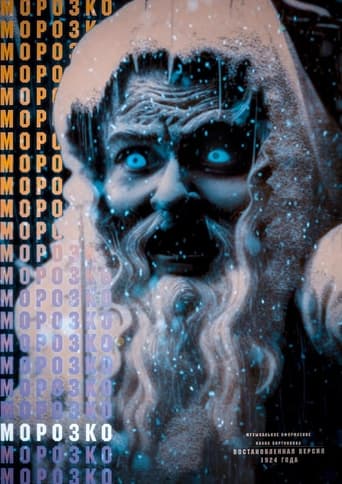
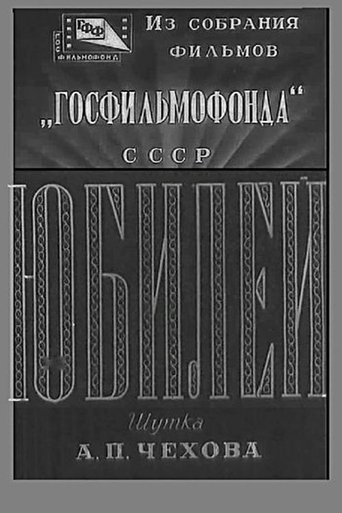
Soviet actor: the silent era through the mid-1940s, representing the golden age of Soviet cinema. He began his film career in 1924 with a role in the fairy tale adaptation 'Morozko,' which showcased his ability to embody traditional Russian folklore characters. Throughout the 1930s, Toporkov established himself as a versatile performer, appearing in both dramatic and experimental productions, including the avant-garde film 'Marionettes' in 1934. His work during this period reflected the artistic innovation occurring in Soviet cinema despite the political constraints of the era. By the 1940s, he had become a respected character actor, with his performance in 'Jubilee' (1944) demonstrating his mature artistic range and deep understanding of human psychology. Toporkov was also known for his stage work, having performed with several prominent Soviet theater companies, which informed his cinematic technique with theatrical precision and emotional depth. His career, though not extensively documented in Western sources, represents an important chapter in the development of Soviet acting methodology and film artistry during a transformative period in Russian cultural history.
The Craft
On Screen
Toporkov's acting style was rooted in the Stanislavski system, which he helped develop and refine through his work with the Moscow Art Theatre. His performances combined psychological realism with theatrical expressiveness, allowing him to convey complex emotions through subtle gestures and nuanced facial expressions. In silent films, he mastered the art of pantomime and physical acting, while in sound films, he demonstrated exceptional vocal control and diction. His approach emphasized deep character study and emotional authenticity, making him particularly effective in portraying both ordinary people and larger-than-life characters from Russian folklore and literature.
Milestones
- Film debut in 'Morozko' (1924) during the silent era
- Starring role in experimental film 'Marionettes' (1934)
- Performance in wartime drama 'Jubilee' (1944)
- Extensive stage career with Moscow Art Theatre
- Development of Soviet acting methodology
Best Known For
Iconic Roles
Must-See Films
Accolades
Won
- Honored Artist of the RSFSR (1938)
- People's Artist of the RSFSR (1947)
- Order of the Red Banner of Labour (1949)
- Stalin Prize (1950)
Special Recognition
- Moscow Art Theatre lifetime member
- State Institute of Theatre Arts (GITIS) faculty member
- Stanislavski System pioneer and teacher
Working Relationships
Worked Often With
Studios
Why They Matter
Impact on Culture
Vasiliy Toporkov played a significant role in the development of Soviet acting methodology and the preservation of Russian theatrical traditions during a period of immense political and social upheaval. His work helped bridge the gap between the pre-revolutionary theatrical traditions and the new Soviet cinema, ensuring that classical acting techniques continued to evolve and remain relevant. Through his performances in both silent and sound films, he contributed to the establishment of a distinctly Soviet cinematic language that combined psychological depth with ideological messaging. His teaching at the Moscow Art Theatre School influenced generations of actors who would go on to shape Soviet and Russian theater and film for decades to come.
Lasting Legacy
Toporkov's legacy lies in his dual contribution as both a performer and educator in Soviet theater and cinema. As an actor, he demonstrated how traditional Russian theatrical techniques could be adapted to the new medium of film, creating a template for future generations of Soviet actors. His written works on acting theory and his role in developing the Stanislavski system have become essential texts in theatrical education. The techniques he helped develop continue to influence acting pedagogy worldwide, particularly in the realm of psychological realism. His career shows the resilience of artistic expression during one of history's most challenging periods for creative freedom.
Who They Inspired
Toporkov's influence extends far beyond his filmography through his work in developing and teaching the Stanislavski system. He helped codify many of the principles that would become fundamental to modern acting training, emphasizing psychological truth, emotional memory, and the importance of detailed character preparation. His students went on to become leading figures in Soviet theater and cinema, spreading his methodologies throughout the Eastern Bloc and eventually to the West. The acting techniques he refined continue to be taught in acting schools worldwide, making him an indirect but profound influence on contemporary performance practices across cultures and media.
Off Screen
Vasiliy Toporkov lived through the most tumultuous periods of Russian history, from the final years of the Russian Empire through the Soviet era. He was deeply committed to the theatrical arts and devoted much of his life to teaching and developing acting techniques. Despite the political pressures of the Stalinist era, he maintained his artistic integrity and continued to work in both theater and film. His personal life was marked by his dedication to his craft and his role in preserving and advancing Russian theatrical traditions.
Education
Moscow Art Theatre School, studied under Konstantin Stanislavski and Vladimir Nemirovich-Danchenko
Family
- Information not publicly available
Did You Know?
- Was one of the few actors who successfully transitioned from silent films to sound films in Soviet cinema
- Worked directly with Konstantin Stanislavski and was among his most dedicated students
- Survived the Stalinist purges that claimed many of his colleagues in the arts
- Wrote several important books on acting technique that are still studied today
- His film 'Marionettes' was considered experimental for its time and explored new cinematic techniques
- Continued teaching well into his later years, even after retiring from performing
- Was known for his meticulous preparation for roles, often spending months researching characters
- His performances in folklore adaptations like 'Morozko' helped preserve Russian cultural traditions during the Soviet era
In Their Own Words
The actor must not simply play a role, but must become the role through complete psychological and physical transformation.
Truth on stage is different from truth in life, but it must be no less absolute.
The greatest challenge for an actor is not to show emotion, but to truly feel it and let it emerge naturally.
Frequently Asked Questions
Who was Vasiliy Toporkov?
Soviet with credits in this catalog. He was a key figure in developing the Stanislavski system and performed in both theater and film, including notable works like 'Morozko' (1924) and 'Marionettes' (1934).
What films is Vasiliy Toporkov best known for?
Titles linked here include Morozko (1924), Marionettes (1934).
When was Vasiliy Toporkov born and when did he die?
Born 1889; died 1970.
What awards did Vasiliy Toporkov win?
Toporkov received several prestigious Soviet honors including Honored Artist of the RSFSR (1938), People's Artist of the RSFSR (1947), the Order of the Red Banner of Labour (1949), and the Stalin Prize in 1950 for his contributions to Soviet theater and cinema.
What was Vasiliy Toporkov's acting style?
Toporkov's acting style was based on the Stanislavski system, emphasizing psychological realism and emotional authenticity. He combined theatrical precision with deep character study, making him effective in both silent films (where he excelled at physical acting) and sound films (where he demonstrated vocal control and nuanced delivery).