

Miriam Hopkins
Actor
Born: October 18, 1902 in Savannah, Georgia, USA Died: October 9, 1972 Active: 1928-1970 Birth Name: Ellen Miriam Hopkins
Films
2 films
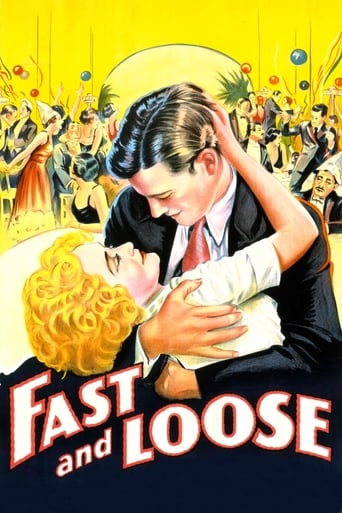
About Miriam Hopkins
Ellen Miriam Hopkins — sophisticated and versatile American actress who rose to prominence during the Golden Age of Hollywood, particularly excelling in screwball comedies and dramatic roles throughout the 1930s. After beginning her career on Broadway in the 1920s, she transitioned to films and quickly became one of Paramount's leading ladies, known for her sharp wit, elegant demeanor, and ability to portray complex, intelligent women. Her breakthrough came with Ernst Lubitsch's 'The Smiling Lieutenant' (1931), establishing her excelled in sophisticated comedy. Hopkins achieved cinematic immortality by starring in 'Becky Sharp' (1935), the first full-length feature film produced in Technicolor, which earned her an Academy Award nomination for Best Actress. Throughout the 1930s, she delivered memorable performances in films like 'Trouble in Paradise' (1932), 'Design for Living' (1933), and 'The Old Maid' (1939), often playing strong-willed, independent characters ahead of their time. Her career continued through the 1940s and 1950s with character roles, and she made a notable comeback in 'The Children's Hour' (1961), demonstrating her enduring talent and adaptability as an actress.
The Craft
On Screen
Miriam Hopkins was renowned for her sophisticated, witty, and intelligent acting style, characterized by rapid-fire dialogue delivery, impeccable comic timing, and a natural elegance that made her perfect for screwball comedies. She possessed a unique ability to portray complex, independent women with both vulnerability and strength, often bringing a subtle sensuality and modern sensibility to her roles that was ahead of her time. Her technique combined theatrical precision with naturalistic emotion, allowing her to excel in both comedy and drama, while her distinctive voice and sharp features made her instantly recognizable on screen.
Milestones
- Broadway debut in 'The Little Show' (1929)
- Breakthrough film role in 'The Smiling Lieutenant' (1931)
- Starred in first full-length Technicolor film 'Becky Sharp' (1935)
- Academy Award nomination for Best Actress (1935)
- Notable rivalry and collaboration with Bette Davis
- Successful transition to character roles in the 1950s
- Final film role in 'The Children's Hour' (1961)
Best Known For
Iconic Roles
Must-See Films
Accolades
Won
- Venice Film Festival Volpi Cup for Best Actress (1937) for 'These Three'
Nominated
- Academy Award for Best Actress (1935) for 'Becky Sharp'
- Academy Award for Best Actress (1931) for 'The Smiling Lieutenant'
- New York Film Critics Circle Award for Best Actress (1936) for 'These Three'
Special Recognition
- Hollywood Walk of Fame star at 1708 Vine Street
- Georgia Music Hall of Fame (inducted posthumously for early singing career)
Working Relationships
Worked Often With
Studios
Why They Matter
Impact on Culture
Miriam Hopkins significantly influenced the development of the screwball comedy genre and helped define the modern, independent female character in American cinema during the 1930s. Her portrayal of sophisticated, witty women challenged traditional gender roles and provided audiences with progressive female representations that were rare for the era. Her performance in 'Becky Sharp' marked a technological milestone in cinema history as the first full-length Technicolor feature, demonstrating her willingness to embrace innovation in filmmaking. Hopkins' career longevity and successful transition from leading lady to character actress provided a model for other actresses facing ageism in Hollywood.
Lasting Legacy
Miriam Hopkins left an enduring legacy as. Her ability to portray complex, intelligent women with both wit and depth paved the way for future generations of actresses seeking substantial, challenging roles. The preservation of her films, especially her collaborations with Ernst Lubitsch, continues to influence contemporary filmmakers and actors studying the art of sophisticated comedy. Her rivalry with Bette Davis has become legendary in Hollywood lore, symbolizing the competitive nature and professional ambitions of actresses during the studio system era.
Who They Inspired
Hopkins influenced numerous actresses through her sophisticated acting style and her ability to balance comedy with dramatic depth, particularly in the screwball comedy genre. Her techniques for rapid dialogue delivery and subtle comic timing have been studied by performers including Carole Lombard, Katharine Hepburn, and later actresses like Barbra Streisand. Her willingness to play morally complex characters and her success in transitioning to character roles provided a blueprint for career longevity in Hollywood. Modern actresses continue to draw inspiration from her independence and professional assertiveness in an era when women in film often had limited agency.
Off Screen
Miriam Hopkins had a colorful personal life marked by four marriages and numerous high-profile relationships, including romances with director Ernst Lubitsch and actor Joel McCrea. She was known for her independent spirit and professional competitiveness, particularly her famous rivalry with Bette Davis, which began during their collaboration on 'The Old Maid.' Despite her glamorous Hollywood image, Hopkins was well-educated and intellectually curious, speaking multiple languages and maintaining friendships with literary figures. She never had children and spent her later years in New York City, continuing to work in television and film until her death from a heart attack at age 69.
Education
Attended Syracuse University, studied at Cumnock School of Expression in Boston, trained at Theatre Guild acting school
Family
- Brandon Peters (1926-1927)
- Austin Parker (1928-1931)
- Anatole Litvak (1937-1939)
- Raymond Brock (1945-1951)
Did You Know?
- Was the first actress to star in a full-length Technicolor film ('Becky Sharp')
- Had a famous rivalry with Bette Davis that began during 'The Old Maid'
- Was a talented singer and performed in Broadway musicals early in her career
- Spoke fluent French and German, which helped her in international film markets
- Turned down the role that eventually went to Vivien Leigh in 'Gone with the Wind'
- Was a close friend of writer Dorothy Parker and part of her literary circle
- Her performance in 'Becky Sharp' was preserved by the Library of Congress for its cultural significance
- Was one of the highest-paid actresses of the 1930s
- Appeared in over 50 films throughout her career
- Made numerous television appearances in the 1950s and 1960s
- Was considered for the role of Margo Channing in 'All About Eve' before Bette Davis was cast
In Their Own Words
I'm not a star. I'm an actress. Stars are those people in the heavens who twinkle. I work for a living.
Comedy is much more difficult than drama. You have to be so precise, so exact, and yet make it look effortless.
I never wanted to be a movie star. I wanted to be an actress. There's a difference.
The trouble with being a character actress is that you're always playing somebody's mother or somebody's aunt. But I'm grateful for the work.
Hollywood is a place where they'll pay you a thousand dollars for a kiss and fifty cents for your soul.
Frequently Asked Questions
Who was Miriam Hopkins?
Prominent American actress of the Golden Age of Hollywood, known for her sophisticated performances in screwball comedies and dramas. She was particularly famous for starring in the first full-length Technicolor film 'Becky Sharp' (1935) and for her collaborations with director Ernst Lubitsch.
What films is Miriam Hopkins best known for?
Titles linked here include Becky Sharp (1935), Trouble in Paradise (1932).
When was Miriam Hopkins born and when did she die?
Born October 18, 1902; died October 9, 1972.
What awards did Miriam Hopkins win?
Miriam Hopkins won the Venice Film Festival Volpi Cup for Best Actress in 1937 for 'These Three' and received two Academy Award nominations for Best Actress for 'The Smiling Lieutenant' (1931) and 'Becky Sharp' (1935). She also has a star on the Hollywood Walk of Fame.
What was Miriam Hopkins' acting style?
Miriam Hopkins was known for her sophisticated, witty acting style characterized by rapid dialogue delivery, impeccable comic timing, and elegant demeanor. She excelled at portraying intelligent, independent women with both vulnerability and strength, making her particularly effective in screwball comedies and complex dramatic roles.
Did Miriam Hopkins have a rivalry with other actresses?
Yes, Miriam Hopkins had a famous rivalry with Bette Davis, particularly during their collaboration on 'The Old Maid' (1939). Their competitive relationship was well-documented and became legendary in Hollywood lore, representing the professional tensions between ambitious actresses during the studio era.
What was significant about 'Becky Sharp'?
'Becky Sharp' (1935) was historically significant as the first full-length feature film produced in the three-strip Technicolor process. Hopkins' performance in the title role earned her an Academy Award nomination and cemented her place in cinema history as the star of this technological breakthrough film.