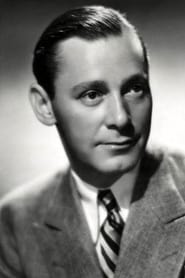
Herbert Marshall
Actor
Born: May 23, 1890 in London, England Died: January 22, 1966 Active: 1920s-1960s Birth Name: Herbert Brough Falcon Marshall
Films
1 film
About Herbert Marshall
British actor who enjoyed a prolific career spanning over four decades in both British and American cinema. Born in London in 1890, he served in World War I where he suffered severe injuries resulting in the amputation of his right leg, which he concealed with a wooden prosthesis throughout his acting career. His breakthrough came in the early 1930s when he transitioned successfully from stage to film, becoming known for his sophisticated, urbane characters and smooth, cultivated voice. Marshall excelled in romantic dramas and thrillers, often playing the charming leading man opposite Hollywood's biggest stars. He collaborated with renowned directors like Ernst Lubitsch and William Wyler, delivering memorable performances in classics such as 'Trouble in Paradise' (1932), 'The Letter' (1940), and 'The Little Foxes' (1941). Despite his physical limitation, he maintained an active career into the 1960s, appearing in both films and television. His personal life included five marriages, including to actress Edna Best, with whom he frequently co-starred. Marshall's legacy endures as character actors of Hollywood's Golden Age, known for his impeccable diction and refined screen presence.
The Craft
On Screen
Known for his sophisticated, urbane demeanor and smooth, cultivated voice, Marshall specialized in playing refined gentlemen and romantic leads. His acting style was characterized by impeccable diction, understated emotion, and a natural elegance that made him particularly effective in drawing-room comedies and melodramas. Despite his wooden leg, he moved with remarkable grace on screen, never allowing his physical limitation to hinder his performances.
Milestones
- Breakthrough role in 'Murder!' (1930)
- Starred in Ernst Lubitsch's 'Trouble in Paradise' (1932)
- Memorable performance in 'The Letter' (1940) with Bette Davis
- Critically acclaimed role in 'The Little Foxes' (1941)
- Successful transition to television in the 1950s and 60s
Best Known For
Iconic Roles
Must-See Films
Accolades
Won
- New York Film Critics Circle Award for Best Actor for 'The Little Foxes' (1941)
Nominated
- Academy Award nomination for Best Actor for 'The Letter' (1940)
Special Recognition
- Star on the Hollywood Walk of Fame at 1700 Vine Street
- Recognized by the British Film Institute for contributions to cinema
Working Relationships
Worked Often With
Studios
Why They Matter
Impact on Culture
Herbert Marshall significantly influenced the archetype of the sophisticated English gentleman in Hollywood cinema, helping establish a template for refined, cultured leading men in the 1930s and 1940s. His success despite his physical disability demonstrated remarkable resilience and helped challenge perceptions about physical limitations in the entertainment industry. Marshall's transition from British stage to Hollywood stardom exemplified the cross-Atlantic exchange of theatrical talent that enriched Golden Age cinema. His performances in films like 'Trouble in Paradise' contributed to the development of sophisticated romantic comedies that balanced wit with emotional depth.
Lasting Legacy
Herbert Marshall's legacy endures through his extensive filmography, which showcases the evolution of Hollywood cinema from the early sound era through the 1960s. He is remembered as. His ability to maintain a successful career while overcoming a significant physical disability continues to inspire actors facing similar challenges. Marshall's work with legendary directors like Ernst Lubitsch and William Wyler remains studied by film scholars for its technical excellence and artistic merit.
Who They Inspired
Marshall's refined acting style influenced subsequent generations of British actors in Hollywood, including actors like George Sanders and David Niven who adopted similar sophisticated personas. His technique of conveying emotion through subtle vocal inflections rather than broad gestures became a model for actors transitioning to sound film. His successful career as a disabled actor paved the way for greater acceptance and opportunities for performers with physical limitations in the film industry.
Off Screen
Herbert Marshall's personal life was marked by both triumph and adversity. He married five times, with his most notable marriage being to actress Edna Best from 1928 to 1940, during which they frequently co-starred in films. He had one daughter, Sarah, with Best, who also became an actress. His service in World War I resulted in the loss of his right leg, a challenge he overcame with remarkable resilience, maintaining a successful acting career while wearing a wooden prosthesis. Marshall was known for his wit and sophistication off-screen, becoming a popular figure in Hollywood social circles. He became a naturalized American citizen in 1941 while maintaining his British cultural identity.
Education
Educated at St. Paul's School in London and briefly attended Cambridge University before leaving to pursue acting
Family
- Mollie Maitland (1915-1922)
- Edna Best (1928-1940)
- Lee Russell (1941-1947)
- Patricia Danvers (1947-1952)
- Dolly Haas (1952-1966, his death)
Did You Know?
- Lost his right leg in World War I at the Battle of the Somme
- Wore a wooden leg throughout his entire acting career without most audiences knowing
- Was married five times, including to actress Edna Best
- His daughter Sarah Marshall also became a successful actress
- Became a naturalized American citizen in 1941
- Appeared in over 80 films during his career
- Was originally considered for the role of Colonel Brandon in 'Sense and Sensibility' (1995) before his death
- Was a skilled painter in his spare time
- Spoke multiple languages fluently including French and German
- Was a close friend of fellow British actor Ronald Colman
In Their Own Words
Acting is not about being someone different. It's finding the similarity in what is apparently different, then finding myself in there.
The wooden leg has been my best friend and my worst enemy. It reminds me of my mortality but also of my resilience.
In Hollywood, I found a second home. They accepted me, wooden leg and all, and allowed me to live my dream.
Frequently Asked Questions
Who was Herbert Marshall?
British with credits in this catalog.
What films is Herbert Marshall best known for?
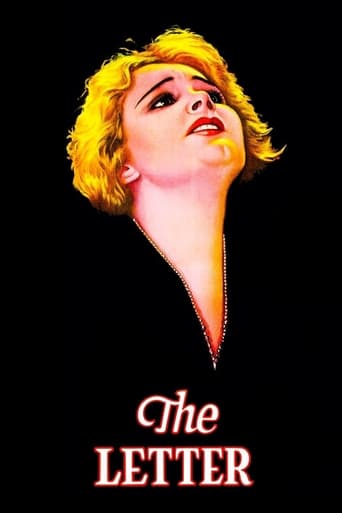
Titles linked here include The Letter (1940), Trouble in Paradise (1932).
When was Herbert Marshall born and when did he die?
Born May 23, 1890; died January 22, 1966.
What awards did Herbert Marshall win?
Marshall won the New York Film Critics Circle Award for Best Actor for 'The Little Foxes' (1941) and received an Academy Award nomination for 'The Letter' (1940). He also has a star on the Hollywood Walk of Fame.
What was Herbert Marshall's acting style?
Marshall was known for his sophisticated, urbane style with impeccable diction and understated emotion, specializing in refined gentlemen and romantic leads with natural elegance.
How did Herbert Marshall lose his leg?
Marshall lost his right leg during World War I at the Battle of the Somme in 1916, but he successfully concealed his wooden prosthesis throughout his acting career.
Was Herbert Marshall married to other actresses?
Yes, Marshall was married five times, including to actress Edna Best from 1928-1940, with whom he frequently co-starred and had a daughter, Sarah, who also became an actress.