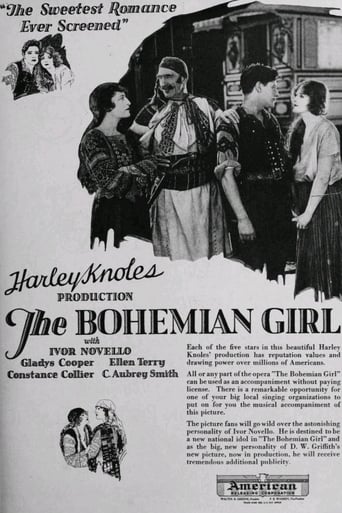

C. Aubrey Smith
Actor
- Born
- July 21, 1863, London, England, United Kingdom
- Died
- December 23, 1948
- Active
- 1903-1948
- Birth name
- Charles Aubrey Smith
Films 1
About C. Aubrey Smith
Sir C. Aubrey Smith was one of the great English character actors of early Hollywood, renowned for his commanding presence, immaculate manners, and unmistakably aristocratic bearing. Born in London in 1863, he first pursued a very different life as a successful cricketer before turning to acting after his sports career was interrupted by ill health. He began on the British stage and later found substantial success in films, especially in Hollywood, where his ability to project authority made him a natural fit for military officers, diplomats, judges, stern fathers, and other figures of status and discipline. Throughout the silent era and into the talkies, he became a familiar and reassuring screen presence, appearing in prestige productions and major studio films alongside many of the era’s biggest stars. His work in films such as The Prisoner of Zenda, The Lives of a Bengal Lancer, The Barretts of Wimpole Street, and The Four Feathers helped define the dignified British supporting role in classical cinema. He was also part of a group of expatriate British actors in Hollywood known informally as the Hollywood Raj, and his real-life background and polished public image lent authenticity to the types of roles he played. Smith remained active into the 1940s, leaving behind a body of work that made him one of the most recognizable and respected elder statesmen of screen acting in the Golden Age.
More about C. Aubrey Smith
On screen
Smith’s acting style was rooted in restraint, authority, and the controlled projection of character rather than overt theatricality. His voice, once sound films arrived, became one of his most valuable assets: deep, clipped, and unmistakably upper-class, it reinforced the impression of discipline and experience. He excelled at playing men of rank, command, or moral certainty, often using stillness, posture, and subtle irony to convey power. Even when cast in supporting parts, he could dominate a scene through presence alone, making him a quintessential example of the classic supporting character actor whose persona became as important as any single role.
In film history
C. Aubrey Smith had a lasting impact on how Hollywood visualized British authority, class, and masculinity in the 1930s and 1940s. His image helped codify the screen type of the stern but dependable English officer, the wise elder, and the aristocratic patriarch, tropes that became staples of adventure, colonial, and historical films. Because he was genuinely English, genuinely educated in elite circles, and possessed of a naturally distinguished bearing, he gave these roles an authenticity that audiences readily accepted. His career also illustrates the fluid boundaries of early film stardom, where a performer could move from an entirely different profession into screen acting and still become indispensable to the studio system. In the broader culture, he remains a symbol of old-world civility and the polished supporting player whose presence elevated the tone of any production.
Later reputation
Smith’s legacy in film history rests on his mastery of a specialized but highly influential screen persona. He became one of the defining character actors of classic Hollywood, especially in adventure and costume dramas where his authority and accent instantly conveyed rank and legitimacy. Modern audiences often encounter him as the embodiment of the imperial British establishment, but film historians also value him for his consistency, professionalism, and his role in shaping supporting performance as an art in itself. His work across silent and sound eras demonstrates how a strong screen identity can sustain a long career even without leading-man status. He remains an essential figure in the study of British actors in Hollywood and the transatlantic exchange that shaped the studio era.
Influence
Smith influenced generations of actors who specialized in distinguished supporting roles, especially those portraying officers, judges, nobles, and elder statesmen. His mannered but never exaggerated performance style became a template for screen Britishness in American cinema. The credibility he brought to historical and adventure pictures helped set a standard for casting real British performers in such roles, rather than relying only on theatrical imitation. Later actors who played commanding patriarchs or senior military men frequently drew, consciously or not, on the restrained authority Smith made famous.
Off screen
C. Aubrey Smith was born into a middle-class London family and, before his acting career, gained prominence as a cricketer, a background that shaped his later public image as a gentleman of old-fashioned composure. He married Annie Maria
Education
He was educated in England, including at Charterhouse School, and later attended St John’s College, Cambridge, where he developed his early sporting reputation.
Credits
- Transitioned from a distinguished cricket career to the stage and then to film, becoming one of the best-known British character actors of the silent and early sound eras
- Established himself in Hollywood as a premier embodiment of aristocratic, military, and authoritative Englishman roles
- Appeared in major prestige pictures including The Prisoner of Zenda, The Four Feathers, The Lives of a Bengal Lancer, and The Barretts of Wimpole Street
- Worked consistently with major studios and starred opposite leading actors of the era, including Ronald Colman, Gary Cooper, and Norma Shearer
- Helped popularize the image of the dignified British officer or gentleman in classical Hollywood cinema
- Was knighted for his services in the arts, becoming Sir C. Aubrey Smith
Roles
- Sir Henry Baskerville-type authoritative English gentleman and military officer figures
- Colonel / general / major roles in imperial and adventure dramas
- Judges, lords, and elder statesmen in prestige dramas
- The dignified British aristocrat or patriarch
- The trusted senior officer or mentor figure in wartime and colonial settings
Films
- The Prisoner of Zenda (1937)
- The Lives of a Bengal Lancer (1935)
- The Barretts of Wimpole Street (1934)
- The Four Feathers (1939)
- The Scarlet Pimpernel (1934)
- The Drum (1938)
- The Private Life of Henry VIII (1933)
- The Caine Mutiny? null
Awards
- Knight Bachelor (1929) for services to the theatre and cinema
Honors
- Knighthood from the British crown
- Longstanding recognition as one of the classic British character actors of Hollywood
Collaborators
- MGM production teams associated with prestige historical dramas
- Ronald Colman
- Gary Cooper
- Merle Oberon
- Norma Shearer
- Errol Flynn
- Director Korda productions and other British-influenced Hollywood filmmakers
Studios
- Metro-Goldwyn-Mayer
- Paramount Pictures
- Twentieth Century-Fox
- Warner Bros.
Family
- Annie Maria (married 1898; ended with her death in 1936)
Notes
- Before becoming an actor, he was a well-known cricketer and captain in the sport, making him one of the rare screen figures to achieve prominence first in athletics.
- He was often cast simply because he looked and sounded exactly like the sort of English officer or gentleman Hollywood wanted to portray.
- His real first name was Charles, but he was universally known professionally by the initials C. Aubrey Smith.
- He was part of the Hollywood expatriate British social circle sometimes referred to as the Hollywood Raj.
- His knighthood reflected not only his acting career but also his standing as a prominent cultural figure of British public life.
- He remained associated with dignified, upper-crust roles even when he was playing sympathetic or humorous characters.
- He worked steadily in both silent films and talkies, successfully adapting to the coming of sound thanks to his distinctive voice.
- He was one of the early screen figures whose off-screen identity strongly reinforced the roles he played on-screen.
Questions
Who was C. Aubrey Smith?
C. Aubrey Smith was a British actor and former cricketer who became one of Hollywood’s most recognizable character players in the silent era and early sound period. He was best known for portraying authoritative English gentlemen, military officers, and aristocratic figures with great dignity and understatement.
What films is C. Aubrey Smith best known for?
He is especially remembered for The Prisoner of Zenda, The Lives of a Bengal Lancer, The Barretts of Wimpole Street, The Four Feathers, The Scarlet Pimpernel, The Drum, and The Private Life of Henry VIII. He also appeared in many other historical dramas and prestige productions that made use of his commanding presence.
When was C. Aubrey Smith born and when did he die?
He was born on July 21, 1863, in London, England, United Kingdom. He died on December 23, 1948, leaving behind a long career that bridged stage, silent film, and the sound era.
What awards did C. Aubrey Smith win?
His most notable honor was being knighted in 1929, becoming Sir C. Aubrey Smith. He did not leave behind a long list of competitive screen awards, but he earned lasting recognition as one of the great British character actors of classic cinema.
What was C. Aubrey Smith's acting style?
His acting style emphasized restraint, authority, and natural dignity rather than broad dramatic gestures. He relied on posture, facial composure, and a distinctive speaking voice to project command, making him especially effective in roles as officers, judges, lords, and senior advisers.
What was C. Aubrey Smith's legacy in film history?
His legacy lies in defining the classic Hollywood image of the British gentleman and officer. He helped establish the value of the character actor in prestige filmmaking and remained a trusted presence in adventure and period dramas for decades.