1922 · Approximately 80 minutes

Also available on: Archive.org
The Bohemian Girl

The Bohemian Girl

1922 Approximately 80 minutes United Kingdom
Hidden identityLost and found familyCrossing class boundariesRomantic sacrificeLove versus social position

Plot

In this silent adaptation of the popular opera, a young woman raised among gypsies grows into adulthood unaware that she is actually the kidnapped daughter of a noble family. The story centers on her romance with a Polish officer who is posing as a gypsy, a disguise that allows him to move within her world and fall in love with her while concealing his true identity and status. Their relationship becomes entangled with the count’s long search for his lost child, creating a conflict between love, class, and family restitution. As secrets are revealed, the heroine’s true parentage is discovered, and the narrative moves toward a restoration of her rightful place while preserving the emotional pull of her love story. The film follows the familiar sentimental arc of the source opera, emphasizing melodrama, mistaken identity, and the contrast between aristocratic privilege and nomadic life.

About the Production

Release Date 1922
Production British National Films
Filmed In United Kingdom

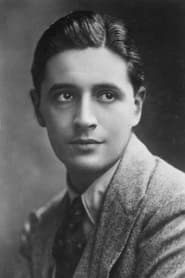
This 1922 version of The Bohemian Girl was a British silent feature directed by Harley Knoles and adapted from Michael William Balfe’s well-known 1843 opera, which was already a familiar property to audiences in the early twentieth century. Like many prestige productions of the period, it relied on elaborate period costumes, stylized sets, and theatrical performance traditions that translated operatic material into silent-cinema terms. No reliable public documentation has surfaced for a detailed production budget or box-office total, which is common for British silent films from the era. The film was mounted as a romantic costume drama and drew on the popularity of both the opera and its star cast, especially Ivor Novello, a major screen and stage attraction.

Historical Background

The film was made in 1922, a period when the silent film industry was nearing its artistic peak while British cinema was working to strengthen its international standing. After World War I, British studios faced strong competition from Hollywood and often responded by producing prestige adaptations of recognizable works from theater, literature, and opera. The Bohemian Girl fits neatly into that strategy: it offered audiences a familiar title, a romantic melodrama, and a cast of respected performers at a time when national identity and cultural legitimacy were important concerns for the British film industry. Its source material also reflects Victorian and Edwardian tastes for sentimental tales of lost children, disguise, and class restoration, making it both an old-fashioned story and a useful vehicle for silent-era spectacle.

Why This Film Matters

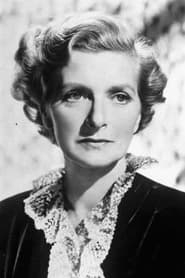
Although it is not among the best-known silent films today, The Bohemian Girl is significant as an example of how British cinema adapted established stage works for the screen during the 1920s. It demonstrates the continuing popularity of opera-derived stories in popular culture and the way filmmakers used familiar narratives to bridge the gap between elite theatrical culture and mass entertainment. The film also contributes to the screen legacy of Ivor Novello and Gladys Cooper, both of whom were major figures in British performance culture. More broadly, it is part of the historical record of British silent features that helped build the country’s cinematic identity, even if many such works are now less visible than later sound-era productions.

Making Of

The production was part of an early-1920s British effort to elevate national cinema through well-known literary, theatrical, and operatic properties. Adapting The Bohemian Girl meant translating a familiar sung drama into a silent form, so the filmmakers had to rely on expressive mise-en-scène, costume design, and carefully staged emotional scenes to convey information that would otherwise have been carried by music and lyrics. Casting was especially important: Gladys Cooper and Ivor Novello were both marquee names whose reputations helped attract audiences and gave the film a sense of prestige. While detailed surviving behind-the-scenes records are limited, the film clearly reflects the period’s tendency to treat classic stage material as both cultural capital and commercial draw, with production values aimed at emphasizing romance, aristocratic imagery, and the picturesque qualities associated with gypsy settings in period drama.

Visual Style

As a silent costume romance, the film’s cinematography would have emphasized expressive tableaux, carefully arranged compositions, and visual clarity in character relationships. Productions of this sort commonly used soft lighting, decorative interiors, and outdoor scenes or painted backdrops to create a romanticized world that matched the opera’s sentimental tone. The visual style likely relied on medium and full-length framing to capture gesture and costume detail, with close-ups reserved for emotional emphasis. Because silent films had to communicate plot information without spoken dialogue, the camera work and blocking would have been especially important in distinguishing identities and revealing the heroine’s true status.

Innovations

The film does not appear to be associated with major technical innovations, but its significance lies in the craft of adapting a popular opera to silent narrative cinema. The challenge was to preserve the emotional and narrative structure of a sung drama without sound, requiring especially clear visual storytelling and strong performance calibration. Costume, set design, and intertitle placement were crucial technical elements in making the story comprehensible and theatrically rich. In that sense, the film exemplifies the mature silent-era method of translating established stage material into cinematic form.

Music

As a silent film, The Bohemian Girl did not have a synchronized recorded soundtrack. In theaters, it would have been accompanied by live musicians, with the score likely drawing on or alluding to Michael William Balfe’s opera music when available in performance settings. Different venues may have used different musical arrangements, a common practice for silent cinema, so no single standardized original soundtrack is known to survive in the same way as a modern film score. Music would have been essential to sustaining the romantic and melodramatic mood, especially given the work’s operatic origins.

Memorable Scenes

  • The revelation sequence in which the heroine’s true noble identity is uncovered and the emotional stakes of the story are finally resolved.
  • The romantic scenes between the gypsy girl and the Polish officer in disguise, which hinge on concealed identity and class-crossing attraction.
  • The ceremonial and family-oriented moments that contrast the world of the gypsies with the count’s aristocratic household.
  • The operatic-style emotional confrontations, which would have depended on expressive acting and intertitles to convey the story’s heightened melodrama.

Did You Know?

  • This film is based on the comic opera The Bohemian Girl by Michael William Balfe, a hugely popular nineteenth-century work that had long remained in the theatrical repertory.
  • It is one of several screen versions of the same story, but it is the 1922 silent British adaptation directed by Harley Knoles, not the later 1936 sound film often remembered today.
  • Ivor Novello, one of the era’s great matinee idols, appears in a role that helped reinforce his reputation as a romantic lead in both stage and screen melodramas.
  • Gladys Cooper, already admired for her stage work, was an important casting choice because she lent prestige and dramatic weight to the film.
  • The story’s central device of a noble child raised by gypsies was a familiar melodramatic motif in nineteenth- and early twentieth-century popular culture.
  • As a silent film adapted from an opera, it depended heavily on visual storytelling, intertitles, expressive acting, and musical accompaniment in exhibition rather than recorded dialogue.
  • Harley Knoles was an American-born filmmaker who worked in Britain and directed several notable silent-era productions for British companies.
  • The film belongs to the cycle of prestige literary and operatic adaptations that British studios used to compete with imported American pictures.
  • Because many British silent films have incomplete documentation, exact production details such as shooting schedule and budget are difficult to verify.
  • The plot’s themes of hidden identity, class reconciliation, and romantic loyalty made it especially suited to silent cinema’s emphasis on heightened emotion and visual revelation.

What Critics Said

Contemporary critical documentation is limited, so the film’s immediate reception is not as fully recorded as that of later classics. As a prestige silent adaptation of a beloved opera, it likely appealed to audiences and reviewers who valued its familiar story, romantic tone, and distinguished performers, though modern critical discussion is sparse. In retrospect, historians view it primarily as a representative artifact of British silent cinema rather than as a landmark of innovation. Its significance today lies more in its casting, source material, and place in the development of British feature filmmaking than in a large surviving critical canon.

What Audiences Thought

Specific box-office and audience-response data are not well documented, which is typical for many silent-era British films. The use of a well-known operatic story and popular stars suggests it was positioned for broad appeal among audiences who enjoyed costume romance and sentimental drama. Its continued identification in film catalogs and databases indicates that it retained enough historical visibility to remain part of the canonical record, even if it was not a blockbuster in modern archival terms. For contemporary viewers, interest is often driven by curiosity about silent adaptations of famous stage works and by the appeal of its principal performers.

Film Connections

Influenced By

  • The Bohemian Girl by Michael William Balfe (1843 opera)
  • Victorian melodrama traditions
  • Lost-child and secret-parentage stage narratives
  • Early twentieth-century operatic screen adaptations

This Film Influenced

  • The Bohemian Girl (1936)
  • Later film and television adaptations of lost-heiress and hidden-identity melodramas

Film Restoration

Survival status is uncertain in mainstream reference sources; no widely circulated restoration is commonly cited, and the film is not broadly available in standard home-video or streaming catalogs. If extant, it appears to survive only in limited archival holdings or as a rare title in film collections rather than as an easily accessible restoration. Because many British silent films of the period are fragmentary or obscure, definitive preservation details are not consistently documented in public-facing sources.

Themes & Topics