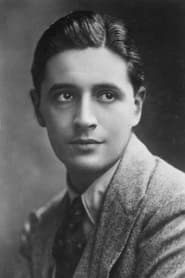
Ivor Novello
Actor
Born: January 15, 1893 in Cardiff, Wales Died: March 6, 1951 Active: 1914-1951 Birth Name: David Ivor Davies
Films
3 films
About Ivor Novello
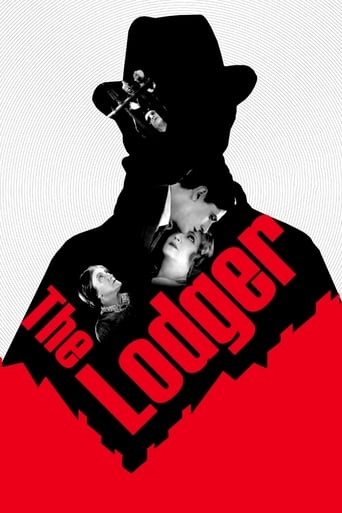
David Ivor Davies, known professionally as Ivor Novello, was a Welsh composer, singer, actor, and playwright who became one of Britain's most celebrated entertainers during the early 20th century. Born in Cardiff in 1893, Novello first gained fame as a composer during World War I with his patriotic song 'Keep the Home Fires Burning,' which became an anthem for the British public. His transition to film acting in the 1920s coincided with the peak of the silent era, where his matinee idol looks and charismatic screen presence made him a natural star. Novello's most memorable film role came in Alfred Hitchcock's early masterpiece 'The Lodger' (1927), where he portrayed the mysterious title character suspected of being a serial killer. Beyond his film career, Novello achieved even greater success as a composer and writer of musical comedies for the London stage, creating numerous hit shows that ran for years. His influence extended well beyond his death in 1951, with the prestigious Ivor Novello Awards for songwriting being established in his honor. Novello's legacy represents the golden age of British entertainment, bridging the worlds of music, theater, and cinema during a transformative period in popular culture.
The Craft
On Screen
Novello's acting style was characterized by a refined, aristocratic presence with intense, brooding eyes that made him particularly effective in dramatic roles. His theatrical background gave him a commanding screen presence, though like many stage actors of his era, his performances sometimes carried a slightly exaggerated quality typical of silent film acting. In 'The Lodger,' he pioneered a subtle, psychological approach to suspense acting that influenced later film noir performances. His natural charisma and handsome features made him a perfect romantic lead, while his ability to convey complex emotions through minimal expression suited the silent medium perfectly.
Milestones
- Composed the WWI anthem 'Keep the Home Fires Burning' (1914)
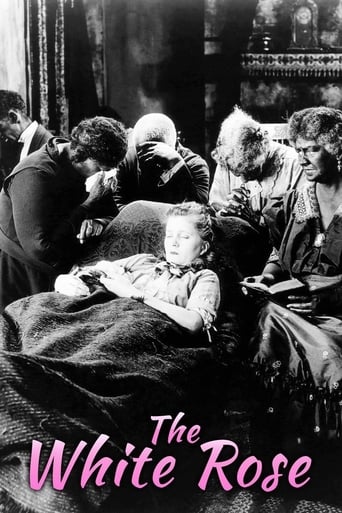
- Starred in D.W. Griffith's 'The White Rose' (1923)
- Played the title role in Alfred Hitchcock's 'The Lodger' (1927)
- Wrote and starred in the musical 'Glamorous Night' (1935)
- Became one of Britain's highest-paid entertainers during the 1930s
- The Novello Theatre in London was named in his honor (2005)
Best Known For
Iconic Roles
Must-See Films
Accolades
Won
- The Ivor Novello Awards were established in his honor for songwriting achievement (1955)
- Inducted into the Songwriters Hall of Fame (1970, posthumous)
Special Recognition
- Commander of the Order of the British Empire (CBE) for services to entertainment (1948)
- Novello Theatre in London's West End renamed in his honor (2005)
- Blue plaque placed at his former London home (1995)
- Inducted into the Welsh Music Hall of Fame (2010, posthumous)
Working Relationships
Worked Often With
Studios
Why They Matter
Impact on Culture
Ivor Novello's cultural impact extended far beyond his film career, fundamentally shaping British popular entertainment throughout the first half of the 20th century. His composition 'Keep the Home Fires Burning' became an enduring symbol of British resilience during World War I and remains. As a film star, Novello helped establish the archetype of the romantic leading man in British cinema, influencing how male stars were presented and marketed. His successful transition from silent films to sound pictures demonstrated the versatility required of performers during this technological revolution. Novello's greatest cultural legacy may be his influence on British musical theater, where he wrote over 30 shows that defined the genre's golden age and set standards for composition and production that lasted decades.
Lasting Legacy
Ivor Novello's legacy encompasses multiple dimensions of British cultural history. The Ivor Novello Awards, established in his honor, remain the most prestigious songwriting prizes in the United Kingdom, celebrating excellence in music composition and songwriting. His former home, Redroofs in Maidenhead, became a training ground for future generations of performers after his death. The Novello Theatre in London's West End stands as a permanent monument to his contribution to British theater. Historians recognize Novello as a pivotal figure who bridged the Victorian music hall tradition with modern entertainment forms, helping to create the template for the multimedia celebrity. His life and career also represent an important chapter in LGBTQ+ history, as he maintained a successful public career while privately living as a gay man during an era of severe legal and social persecution.
Who They Inspired
Novello's influence on subsequent generations of performers and composers is profound and multifaceted. His sophisticated approach to musical composition influenced later British composers including Noël Coward and Andrew Lloyd Webber. His film performances, particularly in psychological thrillers, prefigured the more naturalistic acting styles that would become standard in sound cinema. The template Novello established for the entertainer-composer-actor triple threat influenced British stars including Anthony Newley and David Bowie. His ability to successfully navigate multiple entertainment media—music, theater, and film—created a model for modern multimedia celebrities. Novello's openness about his artistic vision while maintaining personal privacy during a repressive era also provided a model for later LGBTQ+ performers in the entertainment industry.
Off Screen
Novello was one of Britain's most prominent gay entertainers during a period when homosexuality was illegal in the United Kingdom. He maintained a long-term relationship with actor Bobby Andrews, with whom he lived for many years, though their relationship was kept discreet due to social pressures. Novello was arrested in 1944 for misuse of petrol rationing coupons during wartime, which some historians believe was actually a cover for a more serious investigation into his personal life. Despite these challenges, he remained a beloved public figure, and his sexuality was an open secret within the entertainment industry. Novello never married or had children, dedicating his life to his art and his close circle of friends in the theater and film worlds.
Education
Magdalen College School, Oxford; later studied at the Royal Academy of Music
Did You Know?
- His stage name was taken from his mother's maiden name, Clara Novello Davies
- He wrote over 30 musical comedies, many of which ran for over 500 performances
- His home 'Redroofs' in Berkshire became a famous gathering place for London's theatrical elite
- During WWII, he was convicted of petrol rationing violations and served a brief prison sentence
- He was one of the highest-paid entertainers in Britain during the 1930s, earning over £100,000 annually
- The song 'Keep the Home Fires Burning' reportedly sold over 2 million copies of sheet music
- Alfred Hitchcock considered Novello's performance in 'The Lodger' as crucial to the film's success
- He was a skilled pilot and owned several aircraft during the 1930s
- His mother, Clara Novello Davies, was a famous Welsh singing teacher and conductor
- The term 'Ivors' has become synonymous with the Ivor Novello Awards in the British music industry
In Their Own Words
I'm not a composer. I'm a songwriter. There's a difference. A composer writes music. A songwriter writes music that people want to hear.
The theater is not a place for escape, but a place for confrontation with the truth of our lives.
Success in show business is 10% talent and 90% perseverance. The other 10% is luck.
I have always believed that the best songs come from the heart, not from the head.
When I write for the stage, I write for the people in the cheapest seats. They are the most honest critics.
Frequently Asked Questions
Who was Ivor Novello?
Welsh composer, with credits in this catalog. He was famous for both his silent film roles, particularly in Alfred Hitchcock's 'The Lodger,' and his many hit musical comedies. His song 'Keep the Home Fires Burning' became an anthem during World War I.
What films is Ivor Novello best known for?
Titles linked here include The Lodger: A Story of the London Fog (1927), The White Rose (1923).
When was Ivor Novello born and when did he die?
Born January 15, 1893; died March 6, 1951.
What awards did Ivor Novello win?
During his lifetime, Novello was appointed Commander of the Order of the British Empire (CBE) in 1948. Posthumously, he was inducted into the Songwriters Hall of Fame in 1970. The prestigious Ivor Novello Awards for songwriting were established in his honor in 1955 and remain among the most important music awards in the United Kingdom.
What was Ivor Novello's acting style?
Novello's acting style was characterized by a refined, aristocratic presence with intense, brooding eyes that made him particularly effective in dramatic roles. His theatrical background gave him a commanding screen presence, and he was especially skilled at conveying complex emotions through subtle expressions, which suited the silent film medium perfectly.
What is Ivor Novello's lasting legacy?
Novello's lasting legacy includes the Ivor Novello Awards, the UK's most prestigious songwriting prizes, and the Novello Theatre in London's West End. He influenced generations of British composers and performers, helped establish the template for the multimedia celebrity, and remains an important figure in LGBTQ+ history as a successful gay entertainer during an era of persecution.