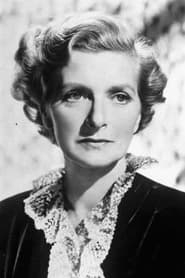
Gladys Cooper
Actor
- Born
- December 18, 1888, London, England, United Kingdom
- Died
- November 17, 1971
- Active
- 1905-1965
Films 2
About Gladys Cooper
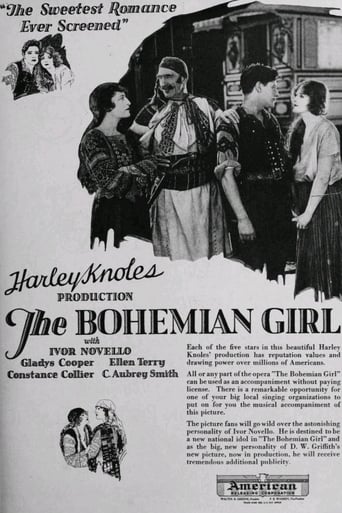
Dame Gladys Cooper was one of the great British stage actresses of the late Victorian and Edwardian eras who successfully reinvented herself for cinema, radio, and later Hollywood character roles. Born in London in 1888, she began performing as a teenager on the stage and quickly established a reputation for poise, emotional intelligence, and a commanding presence that could convey both aristocratic elegance and deep psychological authority. In the silent-film era she appeared in a small number of productions, including Masks and Faces (1917) and The Bohemian Girl (1922), but her screen career expanded most notably after she moved into sound films and American productions in the 1930s and 1940s. On film she became especially memorable as a patrician matriarch, imperious society figure, or hard-edged but vulnerable upper-class woman, bringing theatrical refinement and subtle irony to supporting parts. Her long career also included major triumphs on the stage in London and New York, where she was admired for classics, modern drama, and later works by Noël Coward, George Bernard Shaw, and other leading dramatists. She was made a Dame Commander of the Order of the British Empire for her services to the theatre, a recognition that reflected her standing as one of Britain’s most distinguished actresses. Cooper remained active for decades and is remembered today as one of the rare performers whose stage prestige translated into enduring respect across both British and Hollywood cinema.
More about Gladys Cooper
On screen
Gladys Cooper was known for a refined, highly controlled acting style shaped by her extensive stage training. She specialized in elegant diction, exact emotional shading, and a commanding physical stillness that made her especially effective in roles of authority, social power, or concealed vulnerability. Even in supporting parts, she could suggest a whole character history through gesture, timing, and line delivery, which made her memorable in both melodrama and drawing-room drama. Her performances often balanced formality with warmth, allowing her to project severity without losing humanity. In film, especially after the silent era, she adapted her theatrical technique to the camera with impressive restraint and precision.
In film history
Gladys Cooper helped define a type of elegant, authoritative British female character that became a staple of classic cinema. Her screen image carried the authority of the West End and the prestige of the old theatrical school, lending a sense of authenticity to films centered on social class, family conflict, and emotional repression. In Hollywood, she became part of the generation of British imports whose diction and bearing signaled refinement, tradition, and sometimes formidable social power. Audiences came to recognize her as one of those dependable performers whose mere presence could sharpen a scene, intensify a family drama, or lend gravitas to a supporting role. Her work also demonstrated how a major stage actress could cross into film without losing the strengths that made her famous, influencing the casting of mature women in high-status roles for decades afterward.
Later reputation
Her legacy rests on both the breadth of her career and the authority of her performances. She is remembered as one of the great acting ladies of British theatre who also became a valued figure in classic Hollywood, especially in mature supporting roles that required sophistication, firmness, and emotional depth. For film historians, she represents a bridge between the stage-dominated acting traditions of the 19th century and the more intimate camera acting of the sound era. Her silent-film appearances are important as early screen evidence of a performer who would later achieve far greater fame elsewhere, while her later films preserve the refined technique that made her a memorable character player. She remains a model of longevity, adaptability, and professional seriousness in performance history.
Influence
Gladys Cooper influenced subsequent generations of character actresses by demonstrating how intelligence, poise, and vocal precision could create powerful screen authority. Her portrayals of mothers, dowagers, and elite women helped standardize a screen archetype that later actresses could refine, subvert, or humanize. Because she moved effortlessly between theatre and film, she also stood as an example of how theatrical discipline could be adapted rather than abandoned in cinema. Her performances encouraged filmmakers to cast older women as psychologically complex figures rather than merely decorative or functional presences. Many later British and transatlantic actresses drew, directly or indirectly, from the prestige model she helped establish.
Off screen
Gladys Cooper was married three times and had a large family, and her private life was often closely followed by the press because of her prominence on the London stage. Her marriages and family life coexisted with a demanding professional career that moved between Britain and the United States. She was known as a devoted mother, and her children included actress Joan Cooper, which helped continue the family’s association with performance. Despite personal changes and the pressures of a public life, she maintained a disciplined professional image and remained active for many years. Her life story reflects the unusual combination of domestic prominence, aristocratic stage bearing, and relentless professional ambition that marked many major actresses of her generation.
Education
Primarily educated through private and practical theatrical training rather than a formal academic or conservatory path; she entered the profession at a very young age and learned through stage experience.
Credits
- Began performing professionally as a teenager and established herself early as a notable London stage actress
- Appeared in silent films including Masks and Faces (1917) and The Bohemian Girl (1922), showing an early screen presence before becoming far better known on stage and in sound cinema
- Built a major transatlantic career in stage productions, including celebrated appearances in New York and London
- Successfully transitioned into Hollywood character roles in the sound era, often playing sophisticated, imperious, or socially prominent women
- Received a Damehood for her contribution to the theatre, underlining her stature in British performing arts
- Earned significant late-career recognition with acclaimed performances in films such as Now, Voyager (1942) and The Green Years (1946)
- Maintained a long and respected career across stage, film, television, and radio spanning more than half a century
Roles
- Imperious society matriarchs
- Upper-class dowagers and grand ladies
- Cold or formidable mothers with hidden emotional complexity
- Elegant authority figures in melodramas and prestige dramas
Films
- Masks and Faces (1917)
- The Bohemian Girl (1922)
- Now, Voyager (1942)
- The Green Years (1946)
- Mrs. Miniver (1942)
- The Story of Three Loves (1953)
Awards
- Dame Commander of the Order of the British Empire (DBE)
Honors
- Dame Commander of the Order of the British Empire
- Longstanding reputation as one of the leading British stage actresses of her generation
Collaborators
- No single long-term screen partnership dominates her career, as she worked widely across stage and film ensembles
- She appeared alongside many prominent stars of British and American cinema in supporting and character roles
Studios
- Associated with British film production companies in the silent era
- Worked with major Hollywood studios during the sound era, including MGM and other leading American producers
Family
- Herbert Buckmaster (1905-1908)
- Colonel J. R. M. Hall (1908-1921)
- Sir Neville Pearson (1924-1938)
Notes
- She began her performing career as a teenager, which made her one of the youngest stage professionals of her generation.
- Although she is best remembered for later sound films, she appeared in the silent era in productions such as Masks and Faces (1917) and The Bohemian Girl (1922).
- She was widely associated with high-status, aristocratic, or socially formidable roles, a screen image that suited her bearing and voice.
- She became a Dame Commander of the Order of the British Empire, one of the highest honors available to a British performer.
- Her career spanned stage, silent film, sound film, radio, and television, making her a genuinely multi-medium performer.
- She was active on both sides of the Atlantic and became well known to American audiences through Hollywood productions.
- Her daughter Joan Cooper also became an actress, extending the family’s theatrical lineage.
- She is often cited as one of the finest British character actresses of the classic era.
Questions
Who was Gladys Cooper?
Gladys Cooper was a celebrated British actress whose career began on the stage and later extended into silent films, sound films, radio, and television. She was especially admired for her elegance, authoritative presence, and ability to portray complex women of social standing.
What films is Gladys Cooper best known for?
She is remembered for silent-era appearances such as Masks and Faces (1917) and The Bohemian Girl (1922), as well as major sound-era films like Now, Voyager (1942), Mrs. Miniver (1942), The Green Years (1946), and The Story of Three Loves (1953).
When was Gladys Cooper born and when did she die?
She was born on December 18, 1888, in London, England, and died on November 17, 1971. Her long life allowed her to span the late Victorian stage tradition and the classic Hollywood era.
What awards did Gladys Cooper win?
Her most significant honor was being appointed Dame Commander of the Order of the British Empire for her services to the theatre. That distinction reflected her exceptional standing in British performing arts rather than a narrow list of competitive film awards.
What was Gladys Cooper's acting style?
Her style was polished, controlled, and deeply rooted in stage technique, with precise diction and strong emotional nuance. On screen she excelled at roles that required authority, elegance, and subtle undercurrents of feeling.
What is Gladys Cooper's legacy in classic cinema?
Her legacy lies in the example she set as a major stage actress who successfully translated her authority to film. She helped define the cinematic image of the refined British matron or society woman and remained a respected presence in classic Hollywood character roles.