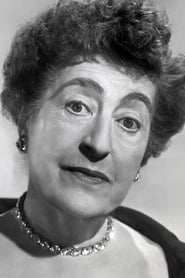
Constance Collier
Actor
- Born
- January 1, 1878, London, England, United Kingdom
- Died
- December 24, 1945
- Active
- c. 1890s-1945
Films 1
About Constance Collier
Constance Collier was a distinguished English stage actress and later a respected character performer in early Hollywood, best remembered for bringing a theatrical sophistication to screen roles during the silent and early sound eras. Born in London, she established herself first on the British stage and became known for her poise, intelligence, and highly polished diction, qualities that later made her especially useful in films that required elegance, authority, or social refinement. By the 1920s she had moved into motion pictures, appearing in both British and American productions, including The Bohemian Girl (1922), and she continued to work steadily as a supporting actress well into the sound era. Her screen career was relatively selective, but her presence was memorable because she often played society women, aristocratic figures, or worldly older women who could dominate a scene with a glance or a line reading. Outside acting, she was also an influential drama coach and acting teacher, with a reputation for helping performers refine voice, posture, and stage technique. She was married to actor Julian L'Estrange, and after his death she later married actor-producer Frank Curzon. Collier died in London in 1945, leaving behind a legacy that bridges the high tradition of the British theatre and the early decades of international cinema.
More about Constance Collier
On screen
Constance Collier was known for a cultivated, highly theatrical style shaped by the British stage tradition. Her performances emphasized clarity of speech, controlled gesture, expressive poise, and an ability to project intelligence and social status with very little effort. In silent films, she relied on face, posture, and elegant physical presence, while in talkies her trained voice became one of her strongest assets, allowing her to excel in roles that depended on wit, authority, or matronly sophistication. She was especially effective in supporting parts where a scene required instant class distinction or emotional refinement.
In film history
Constance Collier represented a vital type of performer in early cinema: the actor whose value lay not in headline stardom but in bringing established theatrical credibility to motion pictures. At a time when film was still borrowing prestige from the stage, her presence helped legitimize screen acting as a serious craft rather than mere novelty. Her work in silent and early sound pictures demonstrated how stage-trained performers could adapt to film while retaining elegance and discipline, especially in roles requiring formality and social nuance. She also contributed to the transmission of theatre technique into Hollywood through her coaching and mentoring, making her influence broader than the relatively modest size of her filmography might suggest.
Later reputation
Her legacy rests on two interconnected achievements: a reliable screen career as a refined character actress and a parallel reputation as an acting teacher who helped shape later generations. She is remembered by classic film historians as one of those vital bridge figures who connected Victorian and Edwardian stage tradition to modern film performance. Because she often played supporting roles, she did not receive the mass fame of leading stars, yet her work is notable for its consistency, professionalism, and the dignity she brought to every appearance. In film history, she stands as an example of how experienced stage artists enriched early cinema by lending it texture, vocal authority, and dramatic control.
Influence
Collier influenced the culture of acting more through example and coaching than through star-driven imitation. Her carefully modulated style showed later performers how stage technique could be adapted for the camera without losing emotional precision. As a teacher and adviser, she helped cultivate younger actors' voice production, timing, and composure, and she is often remembered in theatre circles as a mentor who embodied disciplined professionalism. Her screen persona also influenced the casting of sophisticated supporting women in classic cinema, helping establish a recognizable archetype of the intelligent, elegant elder woman who could command authority in a scene.
Off screen
Constance Collier was deeply rooted in the theatrical world and spent much of her life in professional acting circles in both Britain and the United States. She married actor Julian L'Estrange, a prominent stage performer, and after his death she later married Frank Curzon, another figure associated with the theatre and entertainment business. Details of her private life are comparatively sparse in surviving film histories, but contemporary accounts describe her as a seasoned professional with strong ties to stage society and a long-standing reputation as a mentor and coach. She did not become known for a large film-star celebrity image; instead, she was admired for professionalism, refinement, and the seriousness of her craft.
Education
Specific formal schooling is not widely documented in surviving standard film references; she is generally described as having been trained through the theatre and stage practice rather than through a heavily recorded academic path.
Credits
- Established herself as a celebrated stage actress in Britain before entering film work
- Brought classical theatrical training and refined diction to silent and early sound cinema
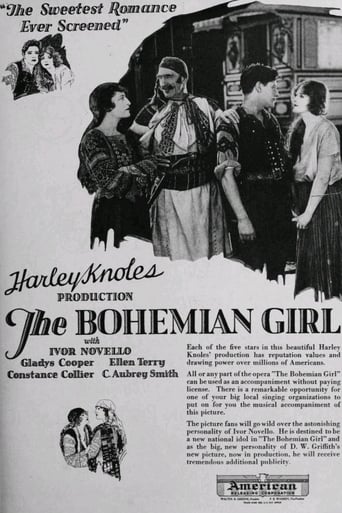
- Appeared in The Bohemian Girl (1922), one of her notable early film credits
- Built a reputation in Hollywood as a trusted supporting actress for roles requiring elegance, authority, and social polish
- Worked as a prominent acting coach and drama teacher, influencing younger performers offscreen
Roles
- Society matron
- Aristocratic hostess
- Theatrical mentor figure
- Witty older woman of influence
- Elegant supporting lady in period dramas
Films
- The Bohemian Girl (1922)
- The Little Minister (1934)
- The Private Life of Henry VIII (1933)
- The Scarlet Pimpernel (1934)
- The Green Goddess (1930)
Collaborators
- Norman Taurog
- Conrad Veidt
- Charles Laughton
- George Arliss
- Ronald Colman
Studios
- Fox Film Corporation
- Associated British productions
- Various independent stage-to-screen production companies
Family
- Julian L'Estrange
- Frank Curzon
Notes
- She was born in London and was long associated with the British theatre before moving into film work.
- Although active in cinema, she remained much better known in her own era for her stage career.
- She appeared in The Bohemian Girl (1922), a notable silent-era screen credit.
- Her refined voice made her especially valuable during the transition from silent films to talkies.
- She was also respected as an acting coach and drama teacher, not just as a performer.
- She was married twice, both times to men connected with the theatre world.
- Her screen roles often cast her as elegant women of status or authority.
- She is sometimes noted in film histories as a bridge between the traditional stage and early Hollywood supporting-character acting.
Questions
Who was Constance Collier?
Constance Collier was a British stage and film actress who became known for elegant supporting roles in silent films and early talkies. She also earned respect as a drama coach and acting teacher, making her an important behind-the-scenes figure in addition to her screen work.
What films is Constance Collier best known for?
She is especially remembered for The Bohemian Girl (1922), along with later films such as The Private Life of Henry VIII (1933), The Scarlet Pimpernel (1934), The Little Minister (1934), and The Green Goddess (1930). Her filmography is not huge, but she left a strong impression in prestige productions.
When was Constance Collier born and when did she die?
She was born in London, England, on January 1, 1878, and died in London on December 24, 1945. Her career spanned from the late nineteenth-century stage into the era of classic Hollywood cinema.
What awards did Constance Collier win?
No major film awards, Academy Award nominations, or widely recorded honors are commonly listed for her in standard reference sources. Her reputation was built more on stage prestige, film character work, and her influence as a teacher.
What was Constance Collier's acting style?
Her acting style was rooted in classical theatre: precise diction, controlled movement, and a polished, authoritative screen presence. She was especially effective in roles requiring elegance, social sophistication, or maternal authority, and her stage training translated well into both silent films and talkies.
What was Constance Collier's legacy in cinema?
Her legacy lies in helping connect the prestige of the theatre to the developing art of film acting. She is remembered as a refined character performer and a respected coach whose influence extended to younger actors and to the broader performance culture of early Hollywood.