Pitzy Katz
Actor
Born: circa 1890 in New York City, USA Active: 1930 Birth Name: Isadore Katz
Films
1 film
About Pitzy Katz
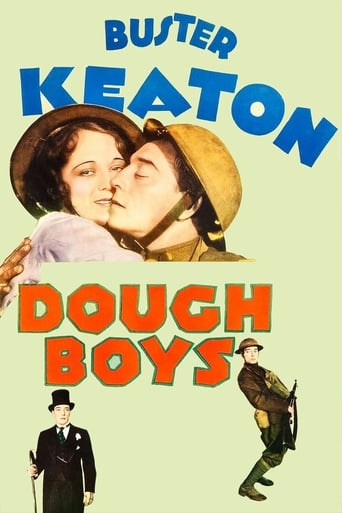
Character actor and bit-part player who briefly appeared in Hollywood cinema during the transition from the silent era to the early sound period. He is most recognized for his role in the 1930 Buster Keaton musical comedy 'Doughboys' (also known as 'Forward March'), where he played a recruit alongside other comedic character actors of the era. Katz's career was largely rooted in the vaudeville circuit and the Yiddish theater scene of New York City, which served as a fertile training ground for many comedians who migrated to Los Angeles during the early talkie boom. His appearance in 'Doughboys' showcased his ability to handle physical comedy and ensemble work, typical of the slapstick-heavy productions of Metro-Goldwyn-Mayer during that time. Despite the high profile of working with a legend like Buster Keaton, Katz did not transition into a long-term film career, likely returning to the stage or live performance where his roots were more firmly established. His contribution represents the brief window of time when MGM and other studios recruited heavily from the New York stage to fill out the supporting casts of their new sound features.
The Craft
On Screen
Katz utilized a style deeply rooted in vaudeville and physical slapstick, characterized by exaggerated facial expressions and broad physical movements. His performance in 'Doughboys' relied on the 'fish-out-of-water' archetype common in military comedies, where his stature and reactions served as a comedic foil to the lead performers.
Milestones
- Cast in the Buster Keaton sound vehicle 'Doughboys' in 1930
- Performed as part of the ensemble cast in MGM's early sound comedies
- Transitioned from the Yiddish theater circuit to Hollywood during the early talkie era
- Worked under the direction of Edward Sedgwick, a prominent comedy director of the 1920s and 30s
Best Known For
Iconic Roles
Must-See Films
Working Relationships
Worked Often With
Studios
Why They Matter
Impact on Culture
Pitzy Katz represents the 'everyman' performer of the early sound era—actors who provided the necessary texture and comedic support for major stars like Buster Keaton. While his filmography is limited, his presence in a Keaton film ensures his place in the annals of slapstick history, illustrating the industry's reliance on stage-trained performers to navigate the technical challenges of early microphones and sound recording.
Lasting Legacy
His legacy is primarily tied to the preservation of 'Doughboys,' a film that captures Buster Keaton during his difficult transition period at MGM. Katz stands as a representative of the many vaudevillians whose talents were briefly captured on celluloid before they faded back into the world of live performance.
Who They Inspired
He influenced the archetype of the 'nervous recruit' in military comedies, a trope that would be expanded upon by later comedians in the 1940s and 50s.
Off Screen
Little is recorded of Katz's private life, though he was part of the tight-knit community of Jewish performers in the early 20th-century American entertainment industry. He likely spent the majority of his life in the New York area, participating in regional theater and community events after his brief stint in Hollywood.
Education
Trained in the vaudeville circuits and Yiddish theater houses of the Lower East Side, New York.
Did You Know?
- Appeared in 'Doughboys' which was also released in a Spanish-language version titled 'De frente, marchen', though it is unclear if he reprised his role there.
- His nickname 'Pitzy' is a common Yiddish-derived diminutive often used for performers of smaller stature or those playing 'little guy' characters.
- Working on 'Doughboys' meant he was part of one of the first films where Buster Keaton was forced to follow a strict script, a major turning point in film history.
- He is often cited in filmographies of the 'Keaton MGM years,' which are highly studied by film historians.
- Katz was part of the transition generation that saw the end of the silent era and the birth of the 'talkies' firsthand.
In Their Own Words
I'm a soldier now! (Context: Delivered during a comedic drill sequence in 'Doughboys')
Frequently Asked Questions
Who was Pitzy Katz?
American character with credits in this catalog. He came from a background in vaudeville and the Yiddish theater.
What films is Pitzy Katz best known for?
Titles linked here include Doughboys (1930).
When was Pitzy Katz active in Hollywood?
Born circa 1890; died death date not listed.
What was Pitzy Katz's acting style?
He specialized in physical comedy and slapstick, using his background in live theater to deliver expressive and energetic performances in ensemble comedy scenes.
Did Pitzy Katz win any awards?
No, Pitzy Katz did not receive any major film awards, as his screen career was very brief and focused on supporting comedic roles.