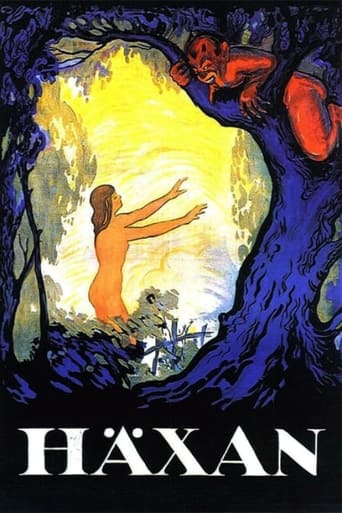
Films
1 film
About Wilhelmine Henriksen
Wilhelmine Henriksen was cast in Benjamin Christensen's 1922 film Häxan. Her participation in this Swedish-Danish production represents her only known film credit, making her one of many bit players whose contributions to early cinema have been largely lost to time. Like many supporting actors in silent films, she was likely hired for a specific role or as an extra in one of the film's dramatized sequences depicting witchcraft trials and superstitions. Her brief appearance in what would become horror documentaries of the silent era places her in cinema history, though her personal story and career trajectory remain largely undocumented. The lack of additional film credits suggests she may have been a non-professional actress recruited locally for the production, or perhaps her acting career was cut short by the transition to sound films or personal circumstances.
The Craft
Milestones
- Appeared in Benjamin Christensen's Häxan (1922)
Best Known For
Must-See Films
Working Relationships
Worked Often With
Why They Matter
Impact on Culture
Wilhelmine Henriksen's contribution to cinema, while minimal, is part of the larger cultural impact of Häxan, a film that pushed boundaries in its depiction of horror and documentary-style storytelling. Her participation in this groundbreaking work connects her to. The film itself was banned in several countries and heavily censored in others due to its graphic depictions of torture and nudity, making it a significant cultural artifact of early 20th century cinema.
Lasting Legacy
Wilhelmine Henriksen's legacy is intrinsically tied to her single known appearance in Häxan, which has secured her a permanent place in film history despite the obscurity of her personal story. As one of the many forgotten faces of silent cinema, she represents the countless unsung contributors who helped create cinematic masterpieces but whose names have faded from popular memory. Her story serves as a reminder of how many early film performers have been lost to history, their contributions preserved only in the films they helped create.
Who They Inspired
Given her brief filmography, Wilhelmine Henriksen's direct influence on other actors or filmmakers cannot be documented. However, her participation in Häxan indirectly contributed to the film's lasting influence on the horror genre and documentary filmmaking, inspiring countless creators who studied Christensen's innovative techniques and bold subject matter.
Off Screen
Very little is known about Wilhelmine Henriksen's personal life, as was common for minor actors in silent films whose biographical details were not preserved in historical records.
Did You Know?
- Häxan was her only known film credit
- The film was banned in the United States and heavily censored in other countries
- Häxan was one of the first films to combine documentary and horror elements
- Director Benjamin Christensen played the Devil himself in the film
- The film was re-released in 1968 with a new jazz score by William S. Burroughs
- Häxan was considered lost for many years before being rediscovered
- The film's original running time was 104 minutes, though various cuts exist
- Christensen spent two years researching historical witch trials before making the film
- The film was shot in Denmark but was a Swedish production
- Many of the cast were local actors or non-professionals recruited for specific scenes
Frequently Asked Questions
Who was Wilhelmine Henriksen?
Screen credits include only one known film, Benjamin Christensen's groundbreaking 1922 production Häxan. She was one of many supporting actors in this influential horror documentary, though little else is known about her life or career.
What films is Wilhelmine Henriksen best known for?
Titles linked here include Häxan (1922).
When was Wilhelmine Henriksen born and when did she die?
Unfortunately, Wilhelmine Henriksen's birth and death dates are not documented in historical records, which was common for minor actors in silent films whose biographical information was not preserved.
What awards did Wilhelmine Henriksen win?
There are no records of Wilhelmine Henriksen receiving any awards or nominations for her work in film. As a bit player in a single production, such recognition would have been unlikely during the silent era.
What was Wilhelmine Henriksen's acting style?
Given her limited filmography and the lack of detailed documentation about her performance, Wilhelmine Henriksen's specific acting style cannot be determined. She was likely one of many supporting actors recruited for specific scenes in Häxan's dramatized sequences.
What is the significance of Häxan in film history?
Häxan is considered a masterpiece of silent cinema that pioneered the documentary-horror hybrid genre. The film was controversial for its time due to its graphic content and was banned in several countries, but it has since been recognized as highly influential on both horror and documentary filmmaking.