Films
1 film
About Helen Butler
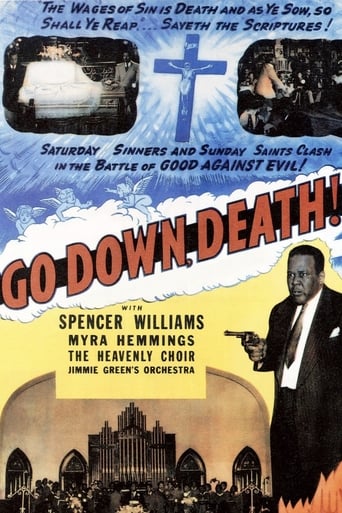
African American actress who emerged during the height of the 'race film' era, a period in cinematic history where independent Black filmmakers produced movies specifically for Black audiences to counter the stereotypical portrayals in mainstream Hollywood. She is most significantly recognized for her leading role in the 1944 religious drama 'Go Down Death', directed by the prolific Spencer Williams. In this film, Butler portrayed the character of Jane, a role that required a delicate balance of dramatic sincerity and moral fortitude within the context of a Southern religious allegory. Despite the limited commercial reach of race films compared to major studio productions, Butler's performance contributed to a vital movement that provided nuanced representation for African American communities during the Jim Crow era. Her career, though sparsely documented in mainstream archives, represents the resilience of Black performers who navigated a segregated industry to create art that resonated with their own culture. While her filmography appears brief, her participation in a Spencer Williams production places her within the lineage of significant contributors to early independent Black cinema.
The Craft
On Screen
Butler utilized a naturalistic and earnest acting style suited for the moralistic tone of 1940s religious dramas. Her performance in 'Go Down Death' is characterized by a quiet dignity and emotional clarity, which was essential for a character serving as a moral compass in a story about redemption and the battle between good and evil.
Milestones
- Starring as Jane in the landmark race film 'Go Down Death' (1944)
- Collaboration with Black director and actor Spencer Williams
- Participation in the 'race film' movement which challenged Hollywood stereotypes
- Contribution to the religious drama genre within African American independent cinema
Best Known For
Iconic Roles
Must-See Films
Accolades
Special Recognition
- Recognized in film history archives as a notable performer in the Spencer Williams filmography
- Featured in retrospectives of independent Black cinema and the 'race film' era
Working Relationships
Worked Often With
Studios
Why They Matter
Impact on Culture
Helen Butler’s work in 'Go Down Death' is culturally significant as it provided a platform for Black audiences to see themselves in serious, non-caricatured roles. At a time when Hollywood relegated Black actors to subservient or comedic relief roles, Butler’s portrayal of a protagonist in a spiritual narrative helped affirm the dignity and complexity of Black life. The film itself, and Butler's role within it, served as a tool for community building and moral instruction within the Black church and social spheres of the 1940s.
Lasting Legacy
Butler's legacy is tied to the preservation of 'race films' as a vital part of American film history. As these films have been rediscovered and restored by institutions like the Library of Congress and Southern Methodist University, actresses like Butler are being re-evaluated for their contributions to an independent film movement that predated the modern indie scene by decades. She remains a symbol of the 'lost' history of Black Hollywood.
Who They Inspired
She influenced subsequent generations of Black independent performers by proving that meaningful, lead-role work could be achieved outside the restrictive confines of the major Hollywood studio system.
Off Screen
Information regarding Helen Butler's personal life remains largely undocumented due to the historical marginalization of performers in the independent race film circuit. Many actors in these productions were recruited from local theater groups, churches, or social clubs in cities like Dallas, where Spencer Williams often filmed, leading to a lack of formal studio biographies.
Education
Likely trained in community theater or church-based performance groups common in the African American community during the 1930s and 1940s.
Did You Know?
- The film 'Go Down Death' was inspired by the poem of the same name by James Weldon Johnson.
- Butler worked with Spencer Williams, who later became famous for playing Andy on the 'Amos 'n' Andy' television show.
- Like many race films of the era, the production Butler starred in was made on an extremely low budget, often using real locations like local churches.
- The film 'Go Down Death' is often paired with 'The Blood of Jesus' as the most significant religious films of the era.
- Butler's performance was intended to reach the 'Chitlin' Circuit' of theaters that catered exclusively to Black patrons.
In Their Own Words
The film 'Go Down Death' features her character Jane navigating the spiritual conflicts of a small community, though specific transcribed dialogue is rare in historical archives.
Frequently Asked Questions
Who was Helen Butler?
African American actress active in the 1940s, best known for her leading role in the independent 'race film' Go Down Death (1944).
What films is Helen Butler best known for?
Titles linked here include Go Down Death (1944).
When was Helen Butler born and when did she die?
Born null; died null.
What awards did Helen Butler win?
Butler did not win any mainstream awards like Oscars, as her work was produced outside the Hollywood studio system; however, she is honored today as a pioneer of early Black cinema.
What was Helen Butler's acting style?
She was known for an earnest, dignified, and naturalistic acting style that suited the spiritual and moral themes of the independent films she appeared in.
What is the significance of the movie 'Go Down Death'?
It is considered.