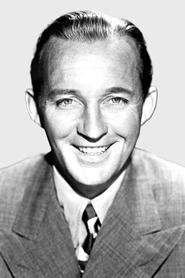
Bing Crosby
Actor
Born: May 3, 1903 in Tacoma, Washington, USA Died: October 14, 1977 Active: 1926-1977 Birth Name: Harry Lillis Crosby Jr.
Films
2 films
About Bing Crosby
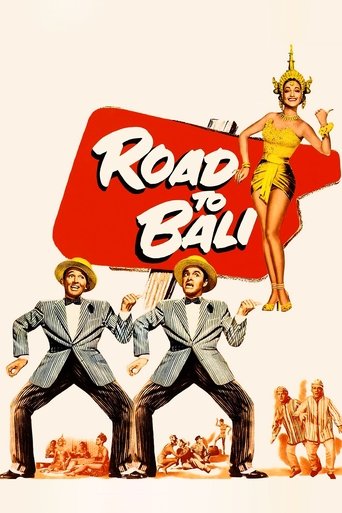
Harry Lillis 'Bing' Crosby Jr. Was entertainers of the 20th century, whose five decades across multiple media platforms. Born in Tacoma, Washington, Crosby rose to fame in the 1930s as a crooner whose intimate, relaxed vocal style revolutionized popular music and influenced countless singers including Frank Sinatra. He successfully transitioned to film, becoming one of Paramount Pictures' biggest stars and winning an Academy Award for Best Actor for his role as Father Chuck O'Malley in 'Going My Way' (1944). Crosby co-starred with Bob Hope in the enormously popular 'Road to.' film series, including 'Road to Bali' (1952), which showcased his natural comedic timing and chemistry with Hope. Beyond entertainment, Crosby — savvy businessman who invested in early recording technologies and became one of the first true multimedia stars, dominating radio, records, film, and eventually television. His recording of 'White Christmas' remains one of the best-selling singles of all time, cementing his status as a cultural icon whose influence extended far beyond his death in 1977.
The Craft
On Screen
Crosby developed a naturalistic, understated acting style that mirrored his relaxed vocal delivery. He specialized in playing charming, easy-going protagonists with a dry wit and effortless charisma, often portraying priests, musicians, or regular guys caught in extraordinary circumstances. His approach was revolutionary for its time, moving away from the theatrical style of early sound films toward a more conversational, intimate performance style that audiences found relatable and authentic.
Milestones
- Academy Award for Best Actor for 'Going My Way' (1944)
- Starred in seven 'Road to.' films with Bob Hope (1940-1962)
- Recorded 'White Christmas', the best-selling single of all time
- Pioneered use of magnetic tape recording in entertainment
- Hosted successful radio shows for over 30 years
- Starred in the first Christmas television special (1951)
- Founded the first record label to use tape recording (Ampex)
- Sold over 500 million records worldwide
Best Known For
Iconic Roles
Must-See Films
Accolades
Won
- Academy Award for Best Actor (1945) for 'Going My Way'
- Golden Globe Award for Best Actor (1945) for 'Going My Way'
- Grammy Lifetime Achievement Award (1962)
- Peabody Award (1959) for television work
- Kennedy Center Honors (1980, posthumous)
- Grammy Hall of Fame inductions for multiple recordings
Nominated
- Academy Award nomination for Best Actor (1946) for 'The Bells of St. Mary's'
- Academy Award nomination for Best Actor (1955) for 'The Country Girl'
- Golden Globe nomination for Best Actor (1955) for 'The Country Girl'
- Emmy Award nominations for television specials
- Multiple Grammy nominations for recordings
Special Recognition
- Hollywood Walk of Fame star (1960)
- Inducted into the Radio Hall of Fame (1988)
- Inducted into the Hit Parade Hall of Fame (2007)
- Inducted into the Western Music Hall of Fame (2008)
- US Postal Service commemorative stamp (1990)
- Three stars on the Hollywood Walk of Fame (recording, radio, motion pictures)
Working Relationships
Worked Often With
Studios
Why They Matter
Impact on Culture
Bing Crosby fundamentally transformed American popular culture by the intimate, conversational style of performance that became the standard for both popular music and film acting. His relaxed, baritone delivery revolutionized vocal technique, moving away from the theatrical style of previous eras and creating a template that influenced generations of performers. Crosby's massive success across multiple media platforms made him one of the first true multimedia stars, establishing the blueprint for the modern entertainment career. His annual Christmas specials created the template for holiday programming that continues to influence television today, while his recording of 'White Christmas' helped establish the modern Christmas music industry. Crosby's business acumen, including his early adoption of recording technology and his savvy investments, demonstrated how entertainers could leverage their fame into lasting business success.
Lasting Legacy
Bing Crosby's legacy endures through his unparalleled influence on popular music, film, and television. He recorded over 1,600 songs and sold more than 500 million records worldwide, with 'White Christmas' remaining the best-selling single of all time. His Academy Award-winning performances established him as a serious dramatic actor, while his comedic work with Bob Hope created some of Hollywood's most beloved film partnerships. Crosby pioneered the use of magnetic tape recording, which revolutionized the recording industry, and his television specials set standards for production quality that influenced the medium for decades. The Bing Crosby Pro-Am Tournament remains one of golf's premier events, continuing his charitable legacy. Perhaps most importantly, Crosby's relaxed, natural performing style broke down the barriers between performers and audiences, creating the intimate connection that defines modern popular entertainment.
Who They Inspired
Crosby's influence on entertainment is immeasurable, extending across multiple generations and media. His intimate vocal style directly influenced Frank Sinatra, Perry Como, Dean Martin, and countless other singers who followed. In film, his naturalistic acting approach helped move Hollywood away from theatrical performances toward more realistic portrayals, influencing actors from Cary Grant to Tom Hanks. His success in television programming, particularly his Christmas specials, created templates that shows from Andy Williams to modern holiday specials still follow. Crosby's business innovations, including his early adoption of recording technology and his understanding of cross-platform promotion, established precedents that modern entertainers from Elvis Presley to Beyoncé have followed. His ability to reinvent himself across different media and maintain relevance for over five decades provides a model for career longevity that continues to inspire performers today.
Off Screen
Crosby was married twice, first to actress and singer Dixie Lee from 1930 until her death from ovarian cancer in 1952, and later to actress Kathryn Grant from 1957 until his death in 1977. He fathered seven children: Gary, Dennis, Phillip, and Lindsay from his first marriage, and Harry III, Mary, and Nathaniel from his second marriage. Crosby — devout Catholic who attended Mass daily and was known for his philanthropic work, particularly with children's charities. He was also an avid golfer who co-founded the Bing Crosby Pro-Am Tournament, one of golf's most prestigious celebrity events.
Education
Attended Gonzaga University in Spokane, Washington (1920-1925) but did not graduate, leaving to pursue his music career
Family
- Dixie Lee (1930-1952, her death)
- Kathryn Grant (1957-1977, his death)
Did You Know?
- The nickname 'Bing' came from a childhood love for a comic strip called 'The Bingville Bugle'
- He was an early investor in Ampex Corporation, which developed the first commercial videotape recorder
- Crosby recorded the first-ever album of songs from a film ('Going My Way' soundtrack)
- He was a part-owner of the Pittsburgh Pirates baseball team from 1946-1950
- Crosby's version of 'White Christmas' has sold over 50 million copies worldwide
- He turned down the role of Billy Bigelow in the film version of 'Carousel'
- Crosby — early pioneer of pre-recording radio shows, allowing him more leisure time
- He was friends with golf legend Jack Nicklaus and often played in celebrity tournaments
- Crosby's son Gary wrote a controversial book claiming his father was abusive, though other family members disputed this
- He was the first entertainer to earn over $1 million in a single year (1945)
- Crosby's final performance was on a golf course in Spain, where he died of a heart attack after completing 18 holes
- He recorded duets with artists spanning multiple decades, including David Bowie in 1977
In Their Own Words
'I'm not a singer who acts, I'm an actor who sings.'
'Unless you can live in the past, there's no use in having a past.'
'The trouble with me is, I start out slow and then taper off.'
'I think popular music is the greatest art form this country has ever produced.'
'May your days be merry and bright, and may all your Christmases be white.' (from 'White Christmas')
'I'm an ordinary guy with an extraordinary talent.'
'The thing I like about golf is that it's a game you can't perfect.'
'I don't sing for the money. I sing because I enjoy it.'
Frequently Asked Questions
Who was Bing Crosby?
American singer, with credits in this catalog. He won an Academy Award for 'Going My Way,' recorded the best-selling single 'White Christmas,' and starred in the popular 'Road to.' film series with Bob Hope.
What films is Bing Crosby best known for?
Titles linked here include Going My Way (1944), The Bells of St. Mary's (1945).
When was Bing Crosby born and when did he die?
Born May 3, 1903; died October 14, 1977.
What awards did Bing Crosby win?
Crosby won an Academy Award for Best Actor for 'Going My Way' (1944), a Golden Globe for the same role, a Grammy Lifetime Achievement Award, and was honored with three stars on the Hollywood Walk of Fame. He also received numerous other honors including the Kennedy Center Honors posthumously.
What was Bing Crosby's acting style?
Crosby developed a naturalistic, understated acting style characterized by relaxed delivery, dry wit, and effortless charm. He moved away from theatrical performances toward a more conversational, intimate approach that made his characters feel authentic and relatable to audiences.
How did Bing Crosby influence popular music?
Crosby revolutionized popular music with his intimate, baritone vocal style that replaced the theatrical singing of earlier eras. His relaxed approach influenced countless singers including Frank Sinatra, and his use of recording technology helped shape the modern music industry.
What was Bing Crosby's relationship with Bob Hope?
Crosby and Bob Hope were close friends and frequent collaborators who starred together in seven 'Road to.' films from 1940 to 1962. Their on-screen chemistry and improvisational comedy made them one of Hollywood's most beloved film partnerships, and they remained friends until Crosby's death.
What was Bing Crosby's most famous song?
Crosby's most famous song is 'White Christmas,' which he first recorded in 1942. It has sold over 50 million copies worldwide, making it the best-selling single of all time, and it became an enduring holiday classic that defined Christmas music for generations.