


Road to Bali
"Hope and Crosby dive for pearls—and princesses—in Bali."
Keys: Space play/pause · ←/→ 10s · F fullscreen · M mute · </> speed
About this film
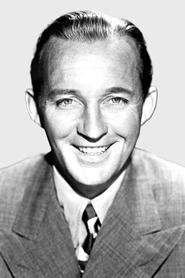
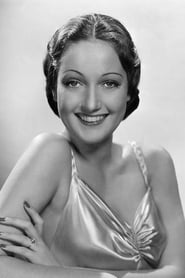
George Cochran and Harold Gridley, two American vaudeville performers, flee Melbourne in haste after becoming entangled with multiple women who want to marry them. Desperate for work and escape, they sign on as deep-sea divers for Prince Ken Arok and journey to an idyllic island near Bali. Upon arrival, they encounter the beautiful Princess Lala and immediately compete for her affections, leading to a series of comedic rivalries and misunderstandings. During a dangerous diving expedition, they discover a chest containing priceless jewels, which attracts the unwanted attention of shady locals a…
Cast & crew
More Comedy films
View all →






More from Hal Walker
View all →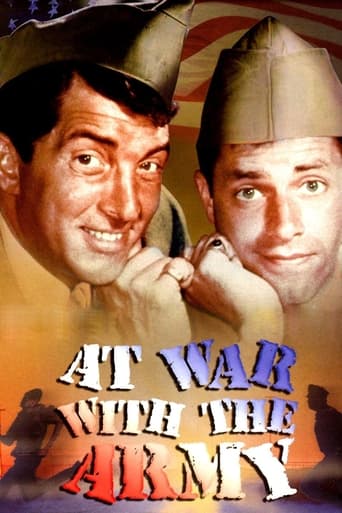
More about this film
About the production
Release dateNovember 25, 1952
Budget$1,500,000
Box office$5,000,000 (domestic)
ProductionParamount Pictures, Bing Crosby Enterprises
Filmed inParamount Studios, Hollywood, California, Santa Catalina Island, California
This was the first 'Road to' film shot in color, using Technicolor. The production faced challenges recreating the South Seas environment in California, with extensive use of studio backlots and matte paintings. The film was originally intended to be shot on location in Hawaii, but budget constraints led to filming primarily at Paramount Studios. The underwater sequences were particularly challenging for 1952, requiring special diving equipment and underwater camera housing.
Themes
Romantic rivalryFriendship and loyaltyAdventure and explorationGreed and treasure huntingCultural misunderstanding
Themes & topics
Historical background
Road to Bali (1952) reached screens through Paramount Pictures. Exhibitors of the time built studio-era schedules that mixed shorts, features, and live acts, so a clear premise helped Road to Bali travel between cities and exchange markets.
Why this film matters
Archivists and revival programmers still cite Road to Bali (1952) when tracing studio habits, casting pools, and the visual rhetoric audiences once took for granted. Even modest surviving prints help map how Road to Bali fit beside competing releases of its day.
Making of
The production of 'Road to Bali' was marked by the reunion of the beloved trio after World War II interrupted their film series. Crosby and Hope had become even bigger stars during the war years, and their salaries reflected this status. The decision to shoot in color was a significant investment, as Technicolor was expensive and required special lighting and camera equipment. Dorothy Lamour, who had been typecast in sarong roles, initially hesitated to return to the series but was convinced by the promise of a more substantial role and better compensation. The famous ad-libbing between Hope and Crosby was largely preserved in the script, with writers intentionally leaving gaps for their spontaneous humor. The underwater sequences required the actors to spend hours in water tanks, with Crosby reportedly developing an ear infection from the prolonged exposure.
What critics said
Trade coverage around 1952 discussed Road to Bali for pacing, clarity, and program fit rather than blockbuster grosses. Later writers value it as evidence of period style and as a reference point beside other films from the same era.
Did you know?
- This was the only 'Road to' film made by Paramount Pictures, as the previous films were produced by other studios.
- The film marked the return of the 'Road to' series after a seven-year hiatus, with the previous entry being 'Road to Rio' in 1947.
- Bob Hope and Bing Crosby performed their own stunts during the diving sequences, requiring them to learn basic scuba diving.
- Dorothy Lamour's costume budget was higher than usual for the series due to the Technicolor format requiring more elaborate and colorful designs.
- The film features cameo appearances by Humphrey Bogart, Jerry Lewis, and Dean Martin, though their scenes were cut from the final version.
- The treasure chest used in the film was actually filled with prop jewels made of glass and colored plastic.
- This was the highest-grossing 'Road to' film of the entire series.
- The script was written in just three weeks to capitalize on the post-war travel boom and interest in exotic locations.
- The film's success led to plans for a 'Road to Hong Kong' sequel, which wouldn't materialize until 1962.
- The underwater photography was groundbreaking for its time, using newly developed waterproof camera housings.
Awards & recognition
- Writers Guild of America Award for Best Written American Comedy (Nominated)
Visual style
The cinematography by Lionel Lindon was groundbreaking for its time, particularly in the underwater sequences which used newly developed waterproof camera technology. The Technicolor process allowed for vibrant, saturated colors that enhanced the exotic tropical setting. The film employed innovative techniques for underwater photography, including special lighting rigs and bubble-free camera housings. The above-water scenes utilized lush, tropical set designs that complemented the color photography. The cinematography successfully created the illusion of a South Seas paradise despite being filmed primarily on California soundstages.
Innovations
The film's most significant technical achievement was its underwater photography, which was among the most advanced of its time. The production developed special underwater camera housings that allowed for clear filming at depths previously unattainable for Hollywood productions. The use of Technicolor underwater presented unique challenges, as the color filters had to be adjusted for the water's filtering effect on light. The film also pioneered techniques for simulating underwater breathing and movement that would influence subsequent aquatic films. The special effects team created convincing underwater explosions and action sequences using innovative miniature work and practical effects.
Music
The film's music was composed by Jimmy Van Heusen and Johnny Burke, who had worked on previous 'Road to' films. The soundtrack includes several memorable musical numbers, including 'The Merry-Go-Round Broke Down,' 'To See You Is to Love You,' and 'Civilization.' Crosby and Hope performed their own vocals, with Lamour contributing to several duets. The musical numbers were seamlessly integrated into the plot, advancing both the story and character relationships. The score incorporated exotic musical elements to evoke the South Seas setting while maintaining the familiar sound that audiences expected from the series.
Famous quotes
Harold Gridley: 'You know, I've always wanted to be a deep-sea diver.' George Cochran: 'You've always wanted to be anything you haven't been yet.'
George Cochran: 'A toast to the ladies! May they always be as beautiful as they are expensive.'
Princess Lala: 'In my country, when a man saves a woman's life, she becomes his property.' George Cochran: 'Well, in my country, when a woman saves a man's money, he becomes her property!'
Harold Gridley: 'I'm not afraid of dying. I'm afraid of not living long enough to spend all my money.'
George Cochran: 'You know, for a princess, you're not very princessy.' Princess Lala: 'And for a gentleman, you're not very gentle.'
Memorable scenes
- The underwater treasure hunt sequence where Crosby and Hope discover the jewel-filled chest while fending off sharks and competing for Princess Lala's attention
- The opening scene in Melbourne where the duo escape through hotel windows while being pursued by various women they've promised to marry
- The musical number 'The Merry-Go-Round Broke Down' performed by Crosby and Hope in native costume
- The comedy sequence where Hope and Crosby attempt to outdo each other in diving demonstrations, ending in disaster
- The final chase scene involving the treasure, native warriors, and a comedic escape via outrigger canoe
What audiences thought
Audiences embraced 'Road to Bali' enthusiastically, making it the highest-grossing film in the entire 'Road to' series. The film's release was highly anticipated, and theaters reported sold-out shows across the country. The combination of exotic settings, musical numbers, and the familiar comedic dynamic between the three leads proved irresistible to post-war moviegoers. The film's success demonstrated the enduring popularity of the trio despite the seven-year gap since their previous film together. Audience feedback particularly praised the underwater sequences and the colorful tropical setting, which provided a welcome escape from everyday concerns.
Film connections
Influenced by
- Road to Singapore (1940)
- Road to Zanzibar (1941)
- Road to Morocco (1942)
- Road to Utopia (1946)
- Road to Rio (1947)
This film influenced
- Road to Hong Kong (1962)
- The Road to. (2009 documentary)
- Various buddy comedies of the 1960s-1970s
Film restoration
The film is well-preserved in the Paramount Pictures archive and has been digitally restored. The original Technicolor negatives are maintained in excellent condition. The film entered the public domain in the United States in 1980 due to copyright renewal issues, which has led to numerous home video releases of varying quality. The Criterion Collection released a restored version in 2005, ensuring the film's preservation for future generations.
Where to watch
- Amazon Prime Video
- Apple TV
- Google Play Movies
- YouTube Movies
- The Criterion Channel
- Turner Classic Movies (TCM)
- Various DVD and Blu-ray releases from multiple distributors due to public domain status