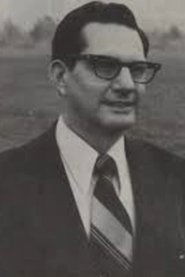
Hal Walker
Director
Born: March 20, 1896 in Ottumwa, Iowa, USA Died: July 3, 1972 Active: 1930-1956 Birth Name: Harold Eugene Walker
Films
2 films
About Hal Walker
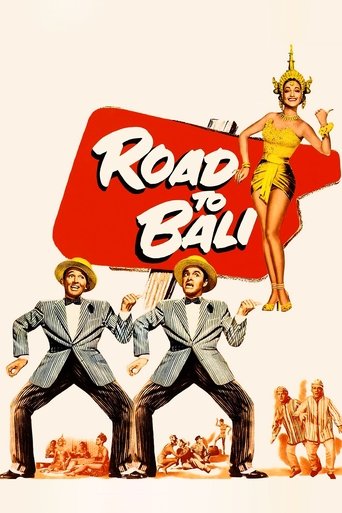
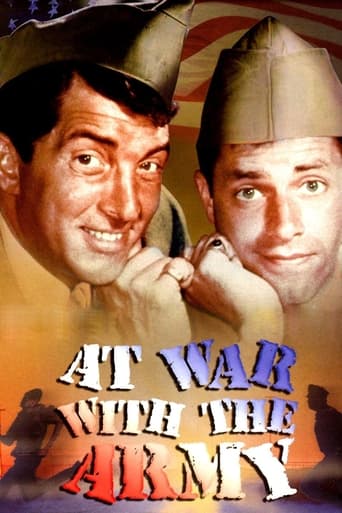
Made significant contributions to Hollywood comedy during the Golden Age. He began his career in the entertainment industry as an actor in silent films during the 1920s before transitioning to directing in the 1930s. Walker established himself as a reliable director of light comedies and musicals, working with major stars of the era. His most notable period came in the early 1950s when he directed several films featuring the comedy duo of Dean Martin and Jerry Lewis, including their film debut 'At War with the Army' (1950). He also directed the final Road to.. Film, 'Road to Bali' (1952), starring Bing Crosby and Bob Hope. Throughout his career, Walker demonstrated a particular talent for timing and visual comedy, helping to shape the style of American film comedy in the post-war period. His directorial over two decades, during which he helmed more than 30 feature films before retiring in the mid-1950s.
The Craft
Behind the Camera
Hal Walker was known for his straightforward, efficient directing style that prioritized comedic timing and visual gags. He had a talent for capturing the chemistry between comedy duos and allowing their natural talents to shine through. His approach was technically proficient without being overly stylized, focusing on clear storytelling and effective pacing for comedy sequences. Walker excelled at directing musical numbers and comedy routines, ensuring they were well-framed and rhythmically precise.
Milestones
- Directed Dean Martin and Jerry Lewis's first film together 'At War with the Army' (1950)
- Helmed the final Road to. Film 'Road to Bali' (1952)
- Transitioned from silent film actor to successful director
- Directed over 30 feature films during his career
- Worked with major stars including Bing Crosby, Bob Hope, and Abbott & Costello
Best Known For
Must-See Films
Accolades
Special Recognition
- Star on the Hollywood Walk of Fame (located at 6555 Hollywood Boulevard)
Working Relationships
Worked Often With
Studios
Why They Matter
Impact on Culture
Hal Walker played a significant role in shaping post-war American comedy cinema through his work with some of the era's most popular comedy teams. His direction of Dean Martin and Jerry Lewis's first film helped establish their successful film partnership that would dominate comedy throughout the 1950s. By directing 'Road to Bali,' he was part of the legendary Road to. Series that influenced generations of comedy filmmakers. Walker's efficient, audience-pleasing approach to comedy direction helped define the mainstream Hollywood comedy style of the early 1950s, balancing slapstick with more sophisticated humor.
Lasting Legacy
Hal Walker's legacy lies in his contributions to the Golden Age of Hollywood comedy, particularly his role in launching and developing the film careers of major comedy stars. His films continue to be studied as examples of classic Hollywood comedy structure and timing. While not as celebrated as some of his contemporaries, Walker's work represents the reliable craftsmanship that characterized studio-era filmmaking. His directorial style influenced how comedy was filmed in Hollywood, emphasizing clear presentation of gags and allowing star performers to drive the humor.
Who They Inspired
Walker influenced subsequent comedy directors through his work with comedy duos, demonstrating effective techniques for capturing on-screen chemistry. His films with Martin & Lewis helped establish patterns that would be followed in later comedy partnerships. His approach to directing musical comedy sequences influenced how comedy and music were integrated in subsequent films. Many of the technical approaches he used for staging comedy routines became standard practices in Hollywood comedy direction.
Off Screen
Hal Walker was married to actress and dancer Florence Enright, with whom he had a long-lasting marriage. The couple remained together until Walker's death in 1972. He was known in Hollywood as a reliable, professional director who maintained good relationships with cast and crew. Walker transitioned smoothly from acting to directing, which was relatively uncommon during that era, demonstrating his versatility in the film industry. After retiring from directing, he lived a relatively private life in Southern California.
Education
Limited formal education, learned film craft through hands-on experience in the early Hollywood studio system
Family
- Florence Enright (1925-1972)
Did You Know?
- Began his career as a silent film actor in the 1920s before moving behind the camera
- Directed Dean Martin and Jerry Lewis's film debut in 'At War with the Army'
- Was the only director besides Victor Schertzinger to direct a 'Road to.' film
- Worked with all three major comedy teams of the early 1950s: Martin & Lewis, Abbott & Costello, and Crosby & Hope
- His directing style was described as 'workmanlike' and efficient by studio executives
- Often worked with producer Hal B. Wallis on his comedy projects
- Served in the U.S. Army during World War I before entering films
- Was one of the few directors who successfully transitioned from silent film acting to sound film directing
- His final film 'The Caddy' (1953) was one of Martin & Lewis's most successful collaborations
- Received a star on the Hollywood Walk of Fame for his contributions to motion pictures
In Their Own Words
The secret to directing comedy is simple: don't get in the way of the funny.
Working with Martin & Lewis was like trying to direct two tornadoes that were going in different directions but somehow ended up at the same place.
In comedy, timing isn't just important - it's everything. The camera has to be in the right place at the right time, or the joke dies.
Frequently Asked Questions
Who was Hal Walker?
He worked with major stars including Dean Martin and Jerry Lewis, Bing Crosby, and Bob Hope, directing over 30 feature films between 1930 and 1956.
What films is Hal Walker best known for?
Titles linked here include At War with the Army (1950), Road to Bali (1952).
When was Hal Walker born and when did he die?
Born March 20, 1896; died July 3, 1972.
What awards did Hal Walker win?
While Hal Walker did not receive major film awards during his career, he was honored with a star on the Hollywood Walk of Fame for his significant contributions to motion pictures. His recognition came primarily through the commercial success of his films and his role in launching major comedy careers.
What was Hal Walker's directing style?
Walker's directing style was characterized by efficiency and clarity, with a focus on comedic timing and visual presentation. He excelled at capturing the chemistry between comedy duos and staging comedy routines effectively. His approach was technically proficient without being overly stylized, prioritizing clear storytelling and effective pacing for comedy sequences.