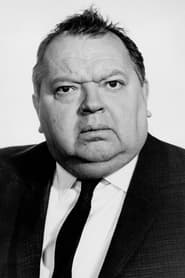
Leon Askin
Actor
Born: September 18, 1907 in Vienna, Austria Died: June 3, 2005 Active: 1925-2005 Birth Name: Leo Aschkenasy
Films
1 film
About Leon Askin
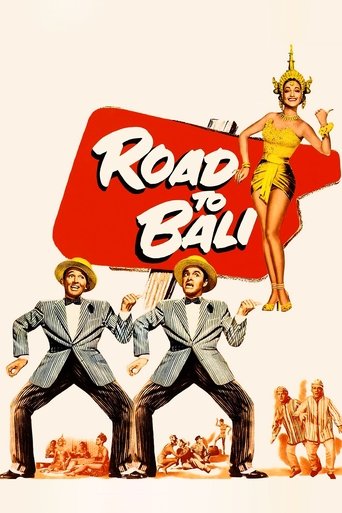
Leon Askin, born Leo Aschkenasy, was an Austrian-American actor whose eight decades across multiple continents. He began his theatrical career in Vienna during the 1920s, studying under the Max Reinhardt, before being forced to flee Austria following the Nazi annexation in 1938. After brief stays in France and Switzerland, he immigrated to the United States where he established himself as one of Hollywood's most reliable character actors, specializing in German and Eastern European roles. Askin's breakthrough came with his memorable performance in Road to Bali (1952), but he achieved lasting fame as General Burkhalter in the television series Hogan's Heroes. Despite often being typecast as stern authority figures or villains, he brought remarkable depth and occasional humor to his roles. In his later years, he returned to Vienna to continue his theater work, maintaining his connection to his artistic roots. His life story represents a remarkable journey from persecution in Nazi Europe to success in Hollywood, making him a symbol of artistic resilience and survival.
The Craft
On Screen
Leon Askin was known for his commanding presence and precise delivery, often portraying stern authority figures with remarkable authenticity. His European background and accent made him particularly convincing in German roles, which he elevated beyond simple caricature through subtle nuance and depth. Despite frequent typecasting as villains or military officers, he brought humanity to his characters, occasionally infusing them with dry humor that made them memorable. His theatrical training gave him a powerful voice and imposing demeanor that served him well in both dramatic and comedic roles.
Milestones
- Fled Nazi-occupied Austria in 1938
- Studied under Max Reinhardt in Vienna
- Appeared in Road to Bali (1952) with Bing Crosby and Bob Hope
- Starred as General Burkhalter in Hogan's Heroes (1965-1971)
- Performed in over 100 film and television productions
- Returned to Vienna theater in later years
- Received Austrian Cross of Honour for Science and Art
Best Known For
Iconic Roles
Must-See Films
Accolades
Won
- Austrian Cross of Honour for Science and Art (1994)
Special Recognition
- Hollywood Walk of Fame star
- Austrian Cross of Honour for Science and Art
- Recognition as a prominent Austrian-American actor
Working Relationships
Worked Often With
Studios
Why They Matter
Impact on Culture
Leon Askin's career represents an important chapter in the story of European artists who found success in Hollywood after fleeing Nazi persecution. His authentic portrayals of German characters helped bring nuance to wartime and postwar American cinema, moving beyond simple stereotypes. As a Jewish actor who often played German officers, he brought a unique perspective to these roles that added layers of irony and complexity. His work on Hogan's Heroes, while controversial to some, demonstrated how comedy could be used to deflate authority figures and critique totalitarianism.
Lasting Legacy
Leon Askin left an indelible mark on both film and television through his consistent, high-quality character work. His ability to humanize authority figures and villains influenced subsequent generations of character actors. Beyond his performances, his life story serves as an inspiration, demonstrating how artists can rebuild their careers after political upheaval. His return to Vienna in his later years symbolized the reconciliation of his Austrian heritage with his American success, creating a bridge between two cultures.
Who They Inspired
Askin influenced numerous character actors through his technique of bringing depth to stereotypical roles. His work showed how typecast actors could find nuance and humanity within limited character parameters. Younger actors, particularly those with accents or from immigrant backgrounds, looked to his career as a model for turning perceived limitations into strengths. His success in both comedy and drama demonstrated the versatility possible for character actors in Hollywood's golden age.
Off Screen
Leon Askin was born into a Jewish family in Vienna and faced persecution under the Nazi regime, which forced him to flee his homeland. He never married and had no children, dedicating his life entirely to his craft. In his later years, he maintained homes in both Los Angeles and Vienna, splitting his time between American productions and European theater. He was known as a cultured, intellectual man who was fluent in multiple languages and maintained strong connections to his Austrian heritage throughout his life.
Education
Studied acting under Max Reinhardt in Vienna, attended drama school in Austria before fleeing Nazi occupation
Did You Know?
- His birth name was Leo Aschkenasy, which he Americanized to Leon Askin
- He was fluent in German, English, French, and Yiddish
- Fled Austria in 1938 after the Nazi annexation, spending time in French concentration camps before reaching America
- Despite playing German officers frequently, he was Jewish and had family members who died in the Holocaust
- He appeared in over 100 films and television shows throughout his career
- His role as General Burkhalter was his most famous, appearing in 67 episodes of Hogan's Heroes
- He returned to Vienna in the 1990s to perform in theater productions
- He was awarded the Austrian Cross of Honour for Science and Art in 1994
- He served in the U.S. Army during World War II, using his language skills for intelligence work
- He was one of the few actors to successfully transition from European theater to Hollywood character acting
In Their Own Words
Acting is not about being someone else, it's about finding yourself in different situations
I played many Germans, but I never forgot I was a Jew who had to flee from them
Comedy is the best way to defeat tyrants - make them look ridiculous and they lose their power
Max Reinhardt taught me that every character, even a villain, has humanity within them
Frequently Asked Questions
Who was Leon Askin?
Austrian-American character with credits in this catalog. He was best known for playing authority figures, particularly German officers, and achieved lasting fame as General Burkhalter in Hogan's Heroes. Born Leo Aschkenasy in Vienna, he fled Nazi persecution and became a successful Hollywood actor.
What films is Leon Askin best known for?
Titles linked here include Road to Bali (1952), The Great Race (1965).
When was Leon Askin born and when did he die?
Born September 18, 1907; died June 3, 2005.
What awards did Leon Askin win?
Leon Askin received the Austrian Cross of Honour for Science and Art in 1994, recognizing his contributions to culture and the arts. He also earned a star on the Hollywood Walk of Fame for his extensive work in film and television, though he didn't receive major industry awards like Oscars or Emmys.
What was Leon Askin's acting style?
Leon Askin was known for his commanding presence and precise delivery, specializing in authority figures with authentic European accents. Despite frequent typecasting as villains or military officers, he brought nuance and occasional humor to his roles. His theatrical training gave him a powerful voice that made his characters memorable and convincing.
How did Leon Askin escape from Nazi-occupied Austria?
Leon Askin, being Jewish, fled Austria after the Nazi annexation in 1938. He spent time in French concentration camps before eventually reaching the United States. During World War II, he served in the U.S. Army, using his language skills for intelligence work against the very regime he had escaped.
Did Leon Askin return to Austria later in life?
Yes, Leon Askin returned to Vienna in his later years to perform in theater productions, reconnecting with his artistic roots. He maintained homes in both Los Angeles and Vienna, symbolizing his dual identity as both an Austrian artist and American actor. He was honored by the Austrian government with the Cross of Honour for Science and Art.