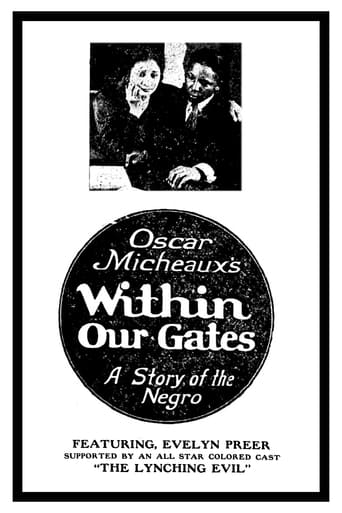

Evelyn Preer
Actor
Born: July 16, 1896 in Vicksburg, Mississippi, USA Died: November 27, 1932 Active: 1919-1932 Birth Name: Evelyn Jarvis
Films
1 film
About Evelyn Preer
Evelyn Preer, born Evelyn Jarvis, was an African American actress who became prominent performers of the silent film era, particularly in race films produced for Black audiences. She began her career in Chicago's theater scene before transitioning to films, making her mark in Oscar Micheaux's productions. Her breakthrough role came in Micheaux's 'Within Our Gates' (1920), the oldest surviving feature film directed by an African American. Throughout the 1920s, she became known as 'The First Lady of the Screen' in African American cinema, starring in numerous Micheaux films including 'The Brute' (1920), 'The Symbol of the Unconquered' (1920), and 'Deceit' (1923'). Beyond her film work, Preer was also a talented singer who performed with prominent jazz musicians and toured with the Lafayette Players theater company. Her both silent films and early talkies, though her promising career was cut short by her untimely death at age 36. Preer's legacy lies in her trailblazing role as one of the first African American women to achieve stardom in American cinema.
The Craft
On Screen
Preer was known for her naturalistic and emotionally nuanced performances, which stood out in an era of exaggerated silent film acting. She brought depth and authenticity to her roles, often portraying complex characters that challenged racial stereotypes. Her stage background contributed to her commanding screen presence and ability to convey subtle emotions through facial expressions and body language.
Milestones
- Starred in Oscar Micheaux's 'Within Our Gates' (1920)
- Became known as 'The First Lady of the Screen' in African American cinema
- Performed with the Lafayette Players theater company
- Recorded with jazz legends including Duke Ellington
- Successfully transitioned from silent films to talkies
- Became one of the highest-paid African American actresses of her era
Best Known For
Iconic Roles
Must-See Films
Accolades
Won
- Posthumous induction into the Black Filmmakers Hall of Fame (1977)
Special Recognition
- Recognized as a pioneer of African American cinema
- Honored by the International Association of Black Film Critics
- Featured in the Smithsonian's National Museum of African American History and Culture
Working Relationships
Worked Often With
Studios
Why They Matter
Impact on Culture
Evelyn Preer played a crucial role in establishing African American cinema as a legitimate art form during the early 20th century. Her performances in race films provided positive representations of Black life at a time when mainstream cinema largely excluded or stereotyped African Americans. Preer's success demonstrated the commercial viability of films made by and for Black audiences, paving the way for future Black filmmakers and performers. Her work with Oscar Micheaux helped create an alternative cinematic tradition that challenged Hollywood's racial norms and provided a platform for authentic Black storytelling.
Lasting Legacy
Evelyn Preer's legacy endures as one of the foundational figures in African American cinema history. She broke barriers as one of the first Black women to achieve stardom in American film, setting standards for excellence and professionalism. Her films, particularly those with Oscar Micheaux, are now studied as important cultural artifacts that document Black life and perspectives in the early 20th century. Modern film historians and scholars recognize her as a pioneer who helped establish the foundation for Black representation in cinema. Her influence can be seen in the careers of subsequent generations of Black actresses and filmmakers who continue to fight for authentic representation in the entertainment industry.
Who They Inspired
Preer influenced generations of African American performers by demonstrating that Black actors could achieve success and dignity in their craft. Her naturalistic acting style provided a model for future performers seeking to move beyond stereotypical portrayals. She inspired other Black artists to pursue careers in independent filmmaking when mainstream Hollywood remained largely closed to them. Contemporary Black filmmakers and actors often cite early pioneers like Preer as inspiration for their own work in creating authentic Black stories and characters.
Off Screen
Preer married Edward Thompson, a Chicago-based businessman, in 1924. The couple had one daughter, Sylvia, who was born shortly before Preer's death. Her family moved from Vicksburg, Mississippi to Chicago when she was young, where she grew up in the city's vibrant South Side community. Preer was known for her dedication to her craft and her role in breaking racial barriers in the entertainment industry.
Education
Attended public schools in Chicago, Illinois; studied drama and voice training through local theater programs
Family
- Edward Thompson (1924-1932)
Did You Know?
- Was nicknamed 'The First Lady of the Screen' in African American cinema
- Could speak multiple languages including French and German
- Recorded several songs with prominent jazz musicians of the era
- Was one of the highest-paid African American actresses of the 1920s
- Her daughter Sylvia was born just weeks before her death
- Performed at the Cotton Club and other famous Harlem venues
- — classically trained singer who could perform opera
- Appeared in at least 16 films during her career
- Was a member of the prestigious Lafayette Players theater company
- Her films were often screened in segregated theaters for Black audiences
In Their Own Words
I want to show the world that we can be beautiful, intelligent, and talented on screen, not just servants or comics.
Every role I take is a step forward for our people in this business.
The camera doesn't lie, and I want it to show the truth about who we are as a people.
Frequently Asked Questions
Who was Evelyn Preer?
African American actress and singer of the silent film era, known as 'The First Lady of the Screen' in Black cinema. She starred in numerous race films, most notably Oscar Micheaux's 'Within Our Gates' (1920), and was one of the first Black women to achieve stardom in American cinema.
What films is Evelyn Preer best known for?
Titles linked here include Within Our Gates (1920), The Symbol of the Unconquered (1920).
When was Evelyn Preer born and when did she die?
Born July 16, 1896; died November 27, 1932.
What awards did Evelyn Preer win?
During her lifetime, Preer did not receive major formal awards, but she was posthumously inducted into the Black Filmmakers Hall of Fame in 1977 and is recognized as a figure in African American cinema history.
What was Evelyn Preer's acting style?
Preer was known for her naturalistic and emotionally nuanced performances, which contrasted with the exaggerated acting common in silent films. She brought depth and authenticity to her roles, often portraying complex characters that challenged racial stereotypes of the era.
How did Evelyn Preer impact African American cinema?
Preer helped establish African American cinema as a legitimate art form by demonstrating that films with Black casts could be commercially successful and artistically significant. Her performances provided positive representations of Black life and inspired future generations of Black filmmakers and actors.
Did Evelyn Preer work outside of film?
Yes, Preer was also a talented singer and stage performer who worked with the Lafayette Players theater company, recorded with jazz musicians including Duke Ellington, and performed at venues like the Cotton Club in Harlem.
Why is 'Within Our Gates' considered important?
'Within Our Gates' is historically significant as the oldest surviving feature film directed by an African American (Oscar Micheaux) and as a direct response to D.W. Griffith's racist 'The Birth of a Nation'. Preer's starring role in this film established her as a major figure in early Black cinema.