Teddy Infuhr
Actor
Born: November 9, 1931 in Los Angeles, California, USA Died: May 12, 2007 Active: 1945-1945 Birth Name: Theodore Infuhr
Films
1 film
About Teddy Infuhr
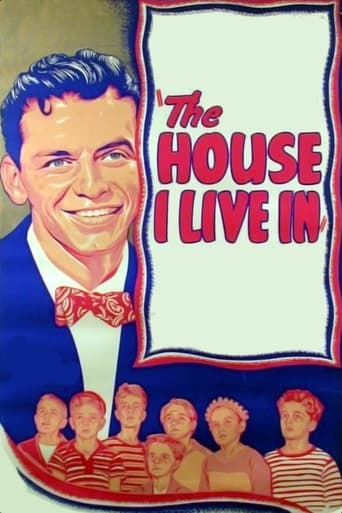
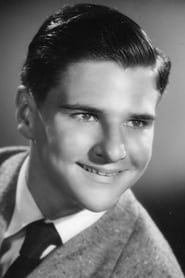
Theodore 'Teddy' Infuhr — child actor who rose to prominence in Hollywood during the mid-1940s, appearing in several notable films during his brief career. Born in 1931 in Los Angeles, he was discovered at a young age and cast in various supporting roles, often playing the precocious or innocent child character. His most significant role came in 1945 when he appeared in Frank Sinatra's Academy Award-winning short film 'The House I Live In,' where he played a young boy who learns about tolerance and religious prejudice. Throughout 1945, Infuhr appeared in multiple films including 'The Big Show-Off,' 'The Crimson Canary,' 'The Great Flamarion,' and 'The Man Who Walked Alone,' demonstrating remarkable versatility for a child performer. His acting career was notably brief, concentrated primarily in 1945, after which he transitioned away from Hollywood to pursue a more conventional life. Despite his short time in the spotlight, his contribution to one of cinema's most important social message films has ensured his place in film history. After leaving acting, Infuhr lived a private life away from the entertainment industry, passing away in 2007 at the age of 75.
The Craft
On Screen
Natural and sincere child performer known for portraying innocence and curiosity, with an ability to convey complex emotions appropriate to his young age. His style was typical of the naturalistic child actors of the 1940s, avoiding the overly theatrical mannerisms common in earlier child performances.
Milestones
- Starred in Academy Award-winning short 'The House I Live In' (1945)
- Appeared in five feature films during 1945
- Worked with major Hollywood studios including MGM and Republic Pictures
- Collaborated with Frank Sinatra on an important social message film
- Transitioned successfully from child acting to private life
Best Known For
Iconic Roles
Must-See Films
Accolades
Won
- Academy Award for Best Short Subject - 'The House I Live In' (1945) - as cast member
Special Recognition
- Part of Oscar-winning production 'The House I Live In'
Working Relationships
Worked Often With
Studios
Why They Matter
Impact on Culture
Teddy Infuhr's most significant cultural contribution came through his role in 'The House I Live In,' a groundbreaking film that addressed religious tolerance and anti-Semitism during World War II. The film was part of Hollywood's efforts to combat prejudice and promote unity during a critical period in American history. As the young boy who learns about tolerance from Frank Sinatra's character, Infuhr represented the innocence and potential for understanding that the film sought to promote. The short film was widely distributed and shown in schools, making Infuhr's face familiar to millions of American children during the 1940s. His performance helped convey the film's important social message to young audiences, contributing to the broader cultural conversation about prejudice and tolerance in wartime America.
Lasting Legacy
Though his acting career was brief, Teddy Infuhr's legacy is preserved through his participation in one of Hollywood's most socially significant short films. 'The House I Live In' remains an important historical document of Hollywood's contribution to the war effort and the fight against prejudice. Infuhr represents the many child actors of the Golden Age who made significant contributions to important films despite having brief careers. His successful transition to private life also serves as an example of how some child actors managed to avoid the pitfalls of early fame. The film's preservation in the National Film Registry ensures that Infuhr's contribution to cinema history will be remembered by future generations.
Who They Inspired
As a child actor with a very brief career, Teddy Infuhr's direct influence on other performers was limited. However, his natural acting style in 'The House I Live In' exemplified the move toward more realistic child performances that became increasingly common in post-war cinema. His work demonstrated how child actors could effectively carry serious social themes without appearing preachy or artificial. The success of the film influenced Hollywood to continue producing socially conscious content featuring young performers in meaningful roles.
Off Screen
After his brief acting career, Teddy Infuhr chose to live a private life away from Hollywood. He married and had children, maintaining a low profile throughout his adult years. Unlike many child actors who struggle with the transition to adulthood, Infuhr successfully adapted to life outside the entertainment industry. He rarely discussed his time as a child actor in later years, preferring to focus on his family and career outside of show business.
Education
Standard education in Los Angeles area schools; no formal acting training reported
Family
- Barbara Infuhr
Did You Know?
- Was only 14 years old when he appeared in 'The House I Live In'
- His entire film career consisted of roles released in a single year (1945)
- The House I Live In was added to the National Film Registry in 2007, the same year he died
- Despite appearing in multiple films, he never received a screen credit larger than 'Boy' or 'Child'
- Frank Sinatra personally praised his performance during the film's production
- His role in 'The House I Live In' was without on-screen billing in some releases
- The film was produced to combat anti-Semitism and was based on a song by Sinatra
- After acting, he worked in a field completely unrelated to entertainment
- He was one of the few child actors to successfully transition to a private life without public struggles
- His performance was used in educational materials about tolerance for decades after the film's release
In Their Own Words
No documented famous quotes from the actor himself
Frequently Asked Questions
Who was Teddy Infuhr?
American child with credits in this catalog.' Despite having a brief career lasting only one year, he appeared in several notable Hollywood films during the Golden Age.
What films is Teddy Infuhr best known for?
Titles linked here include The House I Live In (1945), The Great Flamarion (1945).
When was Teddy Infuhr born and when did he die?
Born November 9, 1931; died May 12, 2007.
What awards did Teddy Infuhr win?
As a cast member of 'The House I Live In,' Teddy Infuhr was part of the production that won the Academy Award for Best Short Subject in 1945. The film was also later selected for preservation in the National Film Registry.
What was Teddy Infuhr's acting style?
Teddy Infuhr was known for his natural and sincere acting style typical of child performers in the 1940s. He portrayed innocence and curiosity effectively, avoiding theatrical mannerisms and delivering believable performances appropriate to his age.
Why was Teddy Infuhr's career so short?
Teddy Infuhr's acting career was concentrated entirely in 1945, after which he chose to leave Hollywood and pursue a private life. This was not uncommon for child actors of the era, who often returned to normal childhoods and education after brief periods in the industry.
What was the significance of 'The House I Live In'?
'The House I Live In' was a groundbreaking short film that addressed religious tolerance and anti-Semitism during World War II. It was part of Hollywood's contribution to the war effort and social progress, featuring Frank Sinatra teaching a young boy (played by Infuhr) about American values and acceptance.
Did Teddy Infuhr continue acting as an adult?
No, Teddy Infuhr did not continue acting beyond his child performer years in 1945. He transitioned to a private life outside the entertainment industry, successfully avoiding the struggles that many child actors face when leaving show business.