Films
1 film
About Pyotr Voinov
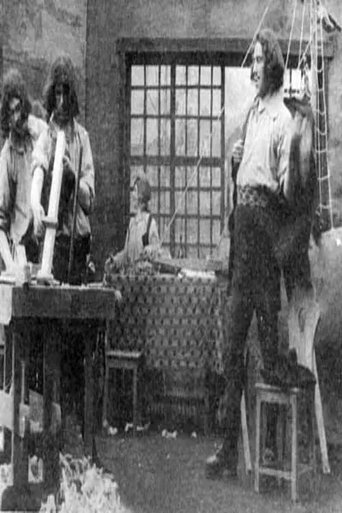
Russian actor active during the very early years of Russian cinema, specifically in the silent film era of the 1910s. His known filmography consists of the historical epic 'Peter the Great' (1910), which was one of the earliest Russian feature films produced during the Tsarist period. Voinov appeared in this film during a time when Russian cinema was still in its infancy, with the industry dominated by foreign imports and domestic productions just beginning to establish themselves. His participation in such an ambitious historical production suggests he was likely part of the emerging theatrical and film community in St. Petersburg or Moscow. Unfortunately, like many actors from this era of Russian cinema, detailed records of his life and career are extremely scarce, with 'Peter the Great' being his only documented film appearance. The film itself was a significant undertaking for its time, attempting to bring Russian history to the screen during a period when cinema was still establishing itself as a legitimate art form in Russia.
The Craft
On Screen
Typical of early silent film actors, Voinov likely employed exaggerated gestures and facial expressions characteristic of stage acting translated to the medium of early cinema, as was common practice before more naturalistic film acting techniques were developed.
Milestones
- Appeared in 'Peter the Great' (1910), one of Russia's earliest feature films
- Participated in the nascent Russian film industry during its formative years
Best Known For
Iconic Roles
Must-See Films
Why They Matter
Impact on Culture
As an actor in one of Russia's earliest feature films, Pyotr Voinov was part of the foundational generation of Russian cinema during the Tsarist era. His participation in 'Peter the Great' (1910) places him among the pioneers who helped establish Russian cinema as a cultural medium, even though his individual contribution has been largely lost to history. The film itself represents an important milestone in Russian cinematic history, being one of the first attempts to create a substantial historical epic on screen, reflecting the growing cultural nationalism of pre-revolutionary Russia.
Lasting Legacy
Pyotr Voinov's legacy is primarily that of a representative figure from the dawn of Russian cinema, a period when the industry was just beginning to take shape. While his individual career was brief and undocumented beyond his single known film, he stands as proof of the early actors who helped lay the groundwork for what would later become one of the world's most influential cinematic traditions. His work, like that of many contemporaries, has been overshadowed by the more famous figures who emerged in later years of Russian and Soviet cinema.
Who They Inspired
Given the extremely limited documentation of his career and the early stage of Russian cinema during his active period, there is no evidence of Pyotr Voinov's direct influence on subsequent generations of actors or filmmakers. His contribution exists more as part of the collective foundation upon which later Russian cinema was built.
Off Screen
Very little is known about Pyotr Voinov's personal life, which is typical for actors from this very early period of Russian cinema when detailed biographical information was rarely preserved.
Did You Know?
- Pyotr Voinov's entire known filmography consists of just one film from 1910
- He appeared in 'Peter the Great' during the very first decade of Russian feature film production
- The film was made during the reign of Tsar Nicholas II, before the Russian Revolution
- Early Russian actors like Voinov often came from theatrical backgrounds
- Many records from this early period of Russian cinema were lost during the revolutionary period and subsequent political upheavals
- The film 'Peter the Great' (1910) was one of the earliest attempts to create a historical epic in Russian cinema
- Silent era actors from this period typically used stage techniques adapted for the camera
- Voinov was part of the first generation of Russian film actors when cinema was still considered a novelty rather than an art form
Frequently Asked Questions
Who was Pyotr Voinov?
Screen credits include the 1910 film 'Peter the Great.' He was active during the very early years of Russian cinema when the industry was just beginning to develop in the Tsarist empire.
What films is Pyotr Voinov best known for?
Titles linked here include Peter the Great (1910).
When was Pyotr Voinov born and when did he die?
The birth and death dates of Pyotr Voinov are not documented in available historical records, which is common for actors from this very early period of Russian cinema when biographical information was rarely preserved.
What awards did Pyotr Voinov win?
Pyotr Voinov did not receive any documented awards, which is typical for actors from this early period of cinema when formal award systems had not yet been established in the Russian film industry.
What was Pyotr Voinov's acting style?
While specific details about Voinov's acting style are not documented, actors from this early silent film period typically employed exaggerated gestures and facial expressions adapted from stage acting, as naturalistic film techniques had not yet been developed.
Why is so little known about Pyotr Voinov?
Limited information about Pyotr Voinov reflects the broader challenge of documenting early Russian cinema history. Many records from the 1910s were lost during the revolutionary period, and early cinema was not yet considered significant enough to merit detailed documentation.