Films
1 film
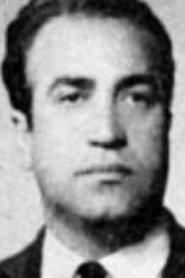
About Nezam Fatemi
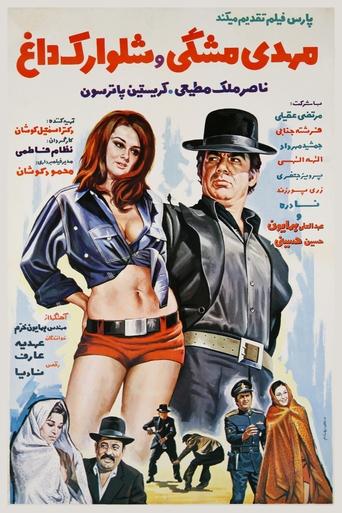
Iranian film director active during the early 1970s, a significant period in Iranian cinema's development before the 1979 revolution. His sole known directorial work, 'Mehdi meshki va shalvarak-e dagh' (1972), places him within the generation of Iranian filmmakers who helped establish the country's cinematic voice during the pre-revolutionary era. While his filmography appears limited to this single production, his work represents the broader movement of Iranian cinema that was gaining international recognition during this period. The film's title, which translates to 'Mehdi the Black and the Burnt Trousers,' suggests a comedic or satirical narrative that was common in popular Iranian cinema of the time. Like many directors of his generation, Fatemi worked within the constraints and opportunities of the Iranian film industry of the early 1970s, which was experiencing increased artistic freedom and government support for cultural productions. His brief but notable contribution to Iranian cinema came during what many consider a golden age for the country's film industry, just before the dramatic political and cultural changes that would follow later in the decade.
The Craft
Behind the Camera
Likely employed comedic storytelling techniques common in popular Iranian cinema of the early 1970s, potentially incorporating social commentary within entertainment frameworks typical of the period's commercial filmmaking
Milestones
- Directed 'Mehdi meshki va shalvarak-e dagh' in 1972
- Contributed to Iranian cinema during its pre-revolutionary golden age
Best Known For
Must-See Films
Why They Matter
Impact on Culture
Nezam Fatemi's contribution to Iranian cinema, though limited to a single known film, represents part of the broader tapestry of pre-revolutionary Iranian filmmaking that helped establish the country's cinematic identity. His work from 1972 falls within a crucial period when Iranian cinema was transitioning toward more artistic and socially relevant content, moving away from purely commercial productions. Directors like Fatemi, even with modest filmographies, contributed to the diversity of voices that characterized Iranian cinema during this era, which would later influence internationally acclaimed Iranian filmmakers of the post-revolutionary period.
Lasting Legacy
While Nezam Fatemi may not be widely recognized in international cinema circles, his work serves as part of the historical record of Iranian filmmaking during its formative years. The film 'Mehdi meshki va shalvarak-e dagh' stands as a cultural artifact from a specific moment in Iranian history, capturing the sensibilities, humor, and social dynamics of early 1970s Iranian society. His contribution, however brief, adds to our understanding of the breadth of Iranian cinema's development during a period of significant cultural and artistic expansion.
Who They Inspired
Limited documentation exists regarding Fatemi's direct influence on other filmmakers, as is common with many directors from this period who worked within the commercial cinema sector. However, his work contributes to the collective foundation upon which later generations of Iranian directors would build their internationally recognized cinematic traditions.
Off Screen
Limited information is available about Nezam Fatemi's personal life, as is common with many Iranian filmmakers from this period whose works were not extensively documented in international film archives.
Did You Know?
- The film title 'Mehdi meshki va shalvarak-e dagh' translates to 'Mehdi the Black and the Burnt Trousers' in English
- 1972 was considered part of the 'New Wave' period in Iranian cinema, though Fatemi's work appears to be more aligned with popular commercial cinema
- Pre-revolutionary Iranian cinema of the early 1970s was experiencing increased government support and artistic freedom
- Many Iranian films from this period incorporated social commentary within seemingly simple entertainment narratives
- The early 1970s saw Iran producing between 60-80 feature films annually, making it one of the more prolific film industries in the Middle East
- Iranian cinema from this era often blended traditional storytelling with modern cinematic techniques
- Many directors from this period faced significant challenges after the 1979 revolution, with some leaving the country or ceasing filmmaking altogether
Frequently Asked Questions
Who was Nezam Fatemi?
Iranian on YTB.my. He was part of the generation of Iranian filmmakers working during the country's pre-revolutionary cinema boom.
What films is Nezam Fatemi best known for?
Titles linked here include Mehdi meshki va shalvarak-e dagh (1972).
When was Nezam Fatemi active as a filmmaker?
Nezam Fatemi was active as a director in 1972, with his only known film released that year. This places him within the pre-revolutionary period of Iranian cinema, which many consider a golden age for the country's film industry.
What was the significance of Iranian cinema in 1972?
1972 was part of a significant period in Iranian cinema known as the 'New Wave,' when the country was producing numerous films and gaining international recognition. This era saw increased artistic freedom and government support for cultural productions.
What style of filmmaking did Nezam Fatemi practice?
Based on the film's title and the period, Fatemi likely worked within the popular commercial cinema tradition of early 1970s Iran, which often incorporated comedy and social commentary. This was distinct from the more artistic 'New Wave' cinema also emerging during this period.