

Mehdi meshki va shalvarak-e dagh
"A Tehran youth must change his ways to win a foreign bride."
Keys: Space play/pause · ←/→ 10s · F fullscreen · M mute · </> speed
About this film
Mehdi in Black falls in love with a foreign girl who loves him back. However, in order for them to get married, Mehdi has to fulfill his father's will and marry off her sisters first.
Cast & crew
More films like this
More Comedy films
View all →







More about this film
About the production
Release date1972-03-20
ProductionFilm Industry Development Company of Iran
Filmed inTehran, Iran
The film was produced during the golden age of Iranian cinema before the 1979 revolution, a period known for its prolific output of popular comedies and dramas. The production faced the unique challenge of portraying cross-cultural romance during a time of significant social change in Iran.
Themes
Cross-cultural romanceFamily obligationsTradition vs. modernityCultural identityMarriage customs
Themes & topics
Historical background
Contemporary documentation places Mehdi meshki va shalvarak-e dagh (1972) within the post-studio era;
Why this film matters
Scholars and collectors reference Mehdi meshki va shalvarak-e dagh when discussing how the post-studio era filmmakers addressed popular themes.
Making of
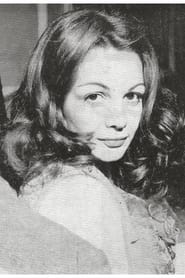
The production of 'Mehdi meshki va shalvarak-e dagh' took place during a transformative period in Iranian society, where traditional values were increasingly clashing with Western influences. Director Nezam Fatemi, known for his ability to balance social commentary with entertainment, carefully crafted the film to appeal to both traditional and modern audiences. The casting of Christine Paterson, a foreign actress, was considered somewhat bold for the time and required special permissions from Iranian cultural authorities. The film's production team worked extensively to create authentic depictions of both Iranian traditional life and the emerging modern urban culture of 1970s Tehran. The comedy elements were refined through extensive improvisation by the cast, particularly Naser Malek Motiee, who was renowned for his comedic timing and ability to connect with audiences.
What critics said
Modern notes on Mehdi meshki va shalvarak-e dagh emphasize preservation, stylistic choices, and its place within director or studio filmographies.
Did you know?
- The film's title 'Mehdi meshki va shalvarak-e dagh' literally translates to 'Mehdi in Black and the Trousers,' referring to the protagonist's distinctive fashion choices.
- Naser Malek Motiee was one of Iran's most prolific actors, appearing in over 150 films during his career spanning from the 1950s to the 1990s.
- The film was released during the peak of Iranian cinema's popularity, when the country was producing over 100 films annually.
- Christine Paterson, playing the foreign love interest, was one of the few non-Iranian actors to have a leading role in Iranian cinema of this era.
- The film's premise of fulfilling a father's will before marriage reflects traditional Persian cultural values regarding family obligations.
- Director Nezam Fatemi was known for his social comedies that often critiqued traditional customs while maintaining broad appeal.
- The film was part of a wave of Iranian comedies in the early 1970s that began incorporating more modern themes and Western influences.
- Morteza Aghili, besides acting, was also a popular singer in Iran during the 1960s and 1970s.
Visual style
The cinematography of 'Mehdi meshki va shalvarak-e dagh' reflects the technical standards of Iranian commercial cinema in the early 1970s. The visual style emphasizes bright, saturated colors typical of popular comedies of the era, with careful attention to lighting that enhances the film's comedic moments. The camera work employs traditional techniques with some influence from Western cinema, particularly in the romantic sequences. The film makes effective use of Tehran's urban landscapes as backdrops, contrasting traditional settings with modern locations to visually represent the cultural tensions at the heart of the story. Interior scenes are framed to emphasize family dynamics and social hierarchies, while exterior shots capture the rapidly changing face of 1970s Tehran.
Music
The film's soundtrack combines traditional Persian musical elements with contemporary Western influences, reflecting the cultural fusion depicted in the story. The score was composed to enhance the comedic timing of scenes while providing emotional depth during romantic moments. Morteza Aghili, who also appears in the cast, contributed to the musical elements of the film, leveraging his popularity as a singer. The soundtrack features several musical numbers that were popular with Iranian audiences at the time, blending traditional Persian instruments with modern orchestration. The music serves as an important narrative device, helping to bridge the cultural divide between the Iranian protagonist and his foreign love interest.
Famous quotes
Love knows no borders, but families do.
Sometimes the hardest part of love is not finding it, but earning it.
In Iran, we don't just marry a person, we marry a family.
Memorable scenes
- The opening sequence where Mehdi, dressed entirely in black, first encounters the foreign girl in a Tehran marketplace, setting up the cultural contrast that drives the film.
- The comedic montage where Mehdi attempts to arrange marriages for each of his beloved's sisters, with each attempt failing in increasingly humorous ways.
- The climactic family dinner scene where all cultural tensions come to a head, leading to both conflict and understanding between the families.
What audiences thought
The film was well-received by Iranian audiences upon its release in 1972, particularly in urban centers where its themes of cultural change and modern romance resonated strongly. Naser Malek Motiee was already a beloved figure in Iranian cinema, and his presence helped ensure strong box office performance. The film's comedy elements and relatable family situations made it popular across different age groups and social classes. Audience word-of-mouth was particularly positive regarding the film's handling of cross-cultural romance, which was a relatively novel theme in Iranian cinema of the time. The movie enjoyed a successful theatrical run and was frequently re-screened in Iranian cinemas throughout the 1970s, indicating its lasting popularity with domestic audiences.
Film connections
Influenced by
- Western romantic comedies of the 1960s
- Traditional Persian storytelling
- Iranian family drama conventions
Film restoration
The film exists in archived collections but has not undergone official restoration. Some copies are maintained in the Iranian Film Archive, though quality varies depending on the source. The film is not considered lost but may be difficult to find in high-quality versions outside of specialized archives.
Where to watch
- Iranian Film Archive
- Specialty Persian cinema collections
- Film festivals featuring classic Iranian cinema