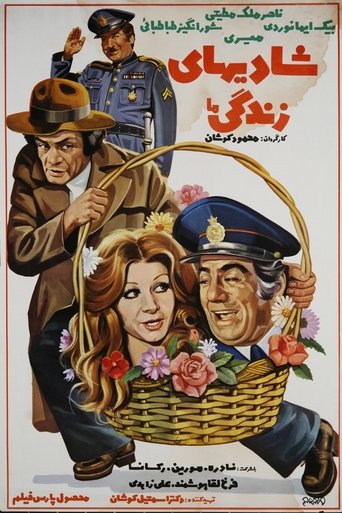
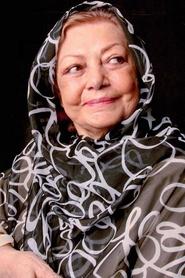
Hamide Kheyrabadi
Actor
Born: December 21, 1924 in Tehran, Iran Died: August 19, 2010 Active: 1940s-2010
Films
4 films
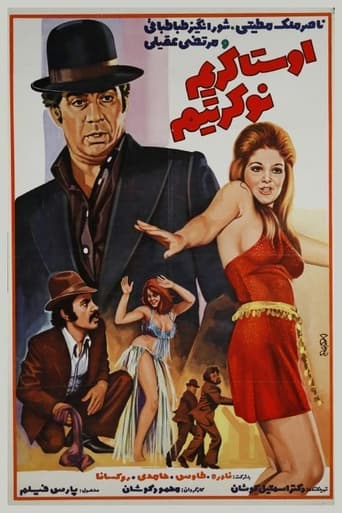
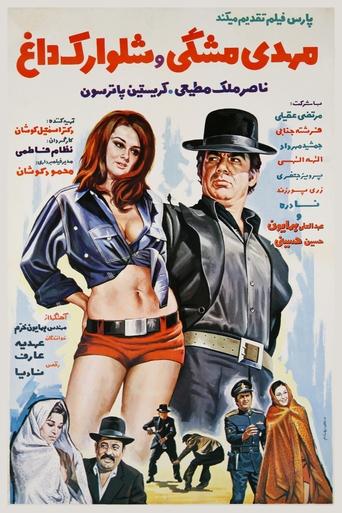
About Hamide Kheyrabadi
Hamide Kheyrabadi, born in 1924 in Tehran, Iran, was one of Iranian cinema's most beloved character actresses, often referred to as 'Mother Kheyrabadi' by adoring fans and colleagues. She began her artistic career in theater before transitioning to film, where she found her true calling portraying authentic Iranian mothers and elderly women with remarkable depth and emotional resonance. Her breakthrough came during the 1960s and 1970s, a golden period for Iranian cinema, where she became synonymous with maternal roles that captured the essence of Iranian family values and traditions. Despite the political changes following the 1979 Iranian Revolution, she continued her acting career, adapting to new cultural norms while maintaining her signature style. Over her six-decade career, she appeared in more than 70 films, becoming a cultural icon whose face was instantly recognizable across generations of Iranian moviegoers. Her authentic portrayals of Iranian women earned her a special place in the hearts of audiences, making her respected and cherished actresses in Iranian film history.
The Craft
On Screen
Naturalistic and deeply authentic, specializing in portraying traditional Iranian mothers and elderly women with emotional depth and cultural authenticity. Her performances were characterized by subtle facial expressions, warm maternal presence, and an ability to convey complex emotions through minimal dialogue. She brought dignity and strength to her characters, representing the resilience and wisdom of Iranian women.
Milestones
- Transition from theater to film in the 1950s
- Breakthrough role in Iranian New Wave cinema
- Iconic mother roles in 1970s Iranian cinema
- Continued acting career post-1979 Revolution
- Recognition as 'Mother Kheyrabadi' by Iranian audiences
Best Known For
Iconic Roles
Must-See Films
Accolades
Won
- Lifetime Achievement Award from Iranian Film Festival
- Best Supporting Actress from Iranian Film Critics
Nominated
- Best Actress in a Supporting Role - Iranian Film Festival (multiple years)
Special Recognition
- Order of Cultural Merit (Iranian government recognition)
- Icon of Iranian Cinema designation
- Tribute at Fajr International Film Festival
Working Relationships
Worked Often With
Studios
Why They Matter
Impact on Culture
Hamide Kheyrabadi became the quintessential representation of Iranian motherhood in cinema, creating an archetype that influenced how maternal figures were portrayed in Iranian media for decades. Her performances transcended mere acting; they became cultural touchstones that reflected and shaped Iranian societal values regarding family, tradition, and intergenerational relationships. During times of significant social and political change in Iran, her consistent presence in cinema provided audiences with a sense of continuity and cultural stability. Her work helped preserve and celebrate traditional Iranian values while adapting to changing cinematic styles, making her a bridge between classical and contemporary Iranian cinema.
Lasting Legacy
Hamide Kheyrabadi's legacy endures as one of Iranian cinema's most beloved character actresses, whose authentic portrayals of Iranian motherhood became cultural touchstones. She set the standard for maternal roles in Iranian film, influencing generations of actresses who followed. Her ability to convey deep emotion through subtle performances and her dedication to representing authentic Iranian culture earned her a permanent place in the nation's cultural memory. Even years after her passing, her films continue to be celebrated, and her name remains synonymous with maternal love and wisdom in Iranian popular culture.
Who They Inspired
Her naturalistic acting style influenced subsequent generations of Iranian character actors, particularly in how to portray traditional roles with authenticity and dignity. Many Iranian actresses cite her as an inspiration for bringing depth and respect to maternal and elderly characters. Her success demonstrated the importance of character actors in creating meaningful cinema, encouraging Iranian filmmakers to develop complex supporting roles. Her career also showed how actors could maintain artistic integrity while adapting to changing political and cultural landscapes in Iran.
Off Screen
Hamide Kheyrabadi was married to fellow actor Nosratollah Vahdat, and their marriage united two prominent theatrical families in Iran. She came from a family with deep roots in Iranian performing arts, with several siblings also pursuing careers in entertainment. Despite her fame, she maintained a reputation for humility and dedication to her craft, often speaking about the importance of authenticity in acting. Her personal life reflected the traditional values she often portrayed on screen, and she was known for her generosity toward younger actors and her commitment to preserving Iranian cultural traditions through her work.
Education
Trained in traditional Iranian theater and dramatic arts through family connections and early theater experience
Family
- Nosratollah Vahdat (married 1940s-2000, his death)
Did You Know?
- Known as 'Mother Kheyrabadi' by fans and colleagues
- Appeared in over 70 films during her career
- Continued acting well into her 80s
- Came from a family of performers including siblings who were also actors
- Her husband Nosratollah Vahdat was a famous Iranian actor
- Often played characters older than her actual age
- Was one of the few actresses who successfully transitioned from pre-revolution to post-revolution Iranian cinema
- Her daughter Negin Vahdat followed in her footsteps as an actress
- Known for her improvisational skills and ability to memorize long dialogues
- Received numerous tributes and honors from Iranian cultural institutions
In Their Own Words
Acting is not about pretending, it's about finding the truth within yourself and sharing it with others
Every mother I played was a piece of my own mother, and a piece of every mother in Iran
The stage and screen were my home, and the audience were my family
Frequently Asked Questions
Who was Hamide Kheyrabadi?
Legendary Iranian actress known as 'Mother Kheyrabadi,' famous for portraying authentic Iranian mothers and elderly women in over 70 films from the 1940s to 2010. She became one of Iranian cinema's most beloved character actresses, representing traditional Iranian values and maternal wisdom on screen.
What films is Hamide Kheyrabadi best known for?
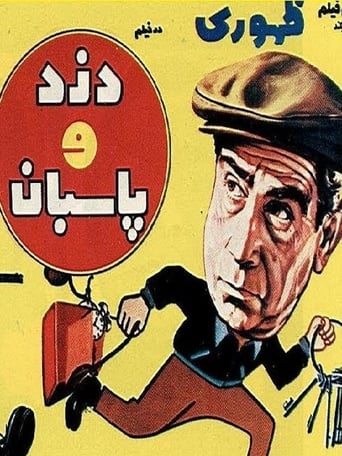
Titles linked here include Dozd va paseban (1969), Mehdi meshki va shalvarak-e dagh (1972).
When was Hamide Kheyrabadi born and when did she die?
Born December 21, 1924; died August 19, 2010.
What awards did Hamide Kheyrabadi win?
She received numerous honors including Lifetime Achievement Awards from Iranian film festivals, Best Supporting Actress recognition from Iranian film critics, and the Order of Cultural Merit from the Iranian government. She was also honored with special tributes at the Fajr International Film Festival.
What was Hamide Kheyrabadi's acting style?
Her acting style was naturalistic and deeply authentic, characterized by subtle facial expressions, warm maternal presence, and emotional depth. She specialized in portraying traditional Iranian mothers with dignity and strength, using minimal dialogue to convey complex emotions and representing the wisdom of Iranian women.