





Joys of Our Life
"A constable closes in on a thief who works days and steals nights."
Keys: Space play/pause · ←/→ 10s · F fullscreen · M mute · </> speed
About this film
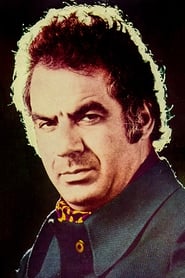
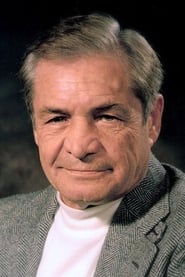
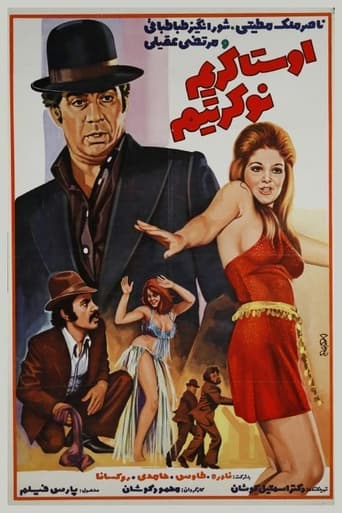
Command sergeant major Mohammad Ali Khan is a conscientious constable who lives with his mother and sisters. The task of arresting Reza, the unknown thief of the neighborhood, is assigned to him. Reza works in an electrical appliance repair shop during the day and steals at night.Mohammad Ali identifies Reza when he robbed the house of a singer named Hengameh; But Reza runs away...
Cast & crew
More films like this
More Comedy films
View all →







More from Mahmoud Kushan
View all →
More about this film
About the production
Release date1976-03-20
ProductionMitra Film
Filmed inTehran, Iran
The film was produced during the golden age of Iranian cinema, just three years before the 1979 Islamic Revolution. It represents the popular genre of social comedies that characterized Iranian filmmaking in the 1970s, blending entertainment with subtle social commentary. The production utilized real Tehran neighborhoods to create authentic urban atmosphere, and many scenes were filmed on location rather than in studios to capture the essence of 1970s Iranian city life.
Themes
Urban crime and policingDual identities and hidden livesSocial class and economic disparityModernization vs. traditionFamily dynamics and responsibility
Themes & topics
police officerthiefdouble lifechaseurban crimeTehrancomedyfamilyrepair shopsingercat and mousesocial commentary1970s Iranworking class
Historical background
Released in 1976, Joys of Our Life reached audiences during the post-studio era, when exhibition and production norms differed sharply from today's.
Why this film matters
Joys of Our Life remains viewable through digital archives, preserving 1976 screen culture for modern audiences.
Making of
The filming of 'Joys of Our Life' took place during a pivotal period in Iranian cinema history. Director Mahmoud Kushan, known for his ability to blend comedy with social relevance, worked closely with his cast to develop authentic characters that resonated with Iranian audiences. The production team faced the challenge of filming in busy Tehran neighborhoods, requiring careful coordination with local authorities and residents. Naser Malek Motiee prepared for his role as a police officer by spending time with actual Tehran constables to understand their daily routines and professional demeanor. The electrical repair shop scenes were filmed in a real shop in Tehran, adding authenticity to Reza's character. The film's chase sequences through Tehran's streets were particularly challenging to shoot, requiring extensive planning and coordination to ensure safety while maintaining the dynamic pace of the scenes. The production utilized both traditional Iranian storytelling techniques and modern cinematic approaches, reflecting the transitional nature of Iranian society at the time.
What critics said
Later retrospectives treat Joys of Our Life (1976) as representative the post-studio era fare valued by archivists and genre historians.
Did you know?
- Naser Malek Motiee, who played Mohammad Ali Khan, was one of Iran's most prolific actors, appearing in over 150 films during his career spanning from the 1950s to the 1990s.
- The film was released during the Pahlavi era, a period when Iranian cinema was experiencing significant artistic and commercial growth, producing an average of 60-70 films per year.
- Reza Beyk Imanverdi, who played the thief Reza, was known as the 'Iranian Hercules' due to his muscular physique and often played action roles in Iranian films.
- The character of the dual-life thief was a popular trope in 1970s Iranian cinema, reflecting societal tensions about modernization and urban crime.
- Director Mahmoud Kushan was known for his social comedies that often featured working-class protagonists and subtle critiques of Iranian society.
- The film's title 'Joys of Our Life' (Shadha-ye Zendegi-ye Ma) reflects the ironic tone common in Iranian comedies of the era, finding humor in everyday struggles.
- Electrical appliance repair shops were becoming increasingly common in 1970s Tehran as Iran underwent rapid modernization and Westernization.
- The film was part of a wave of Iranian comedies that balanced entertainment with social commentary about urban life and changing social values.
- Shoorangiz Tabatabai, who played Hengameh, was a popular actress and singer in Iranian cinema, often cast in roles that utilized her musical talents.
- The police officer protagonist reflected the growing importance of law enforcement in Iran's rapidly urbanizing society of the 1970s.
Visual style
The cinematography of 'Joys of Our Life' employed a realistic visual style that captured the essence of 1970s Tehran. The film utilized natural lighting for many of its outdoor scenes, creating an authentic urban atmosphere. The camera work during chase sequences was dynamic and engaging, using handheld techniques to convey urgency and movement. Interior scenes, particularly those in the electrical repair shop and family homes, were shot with careful attention to period detail, showcasing the domestic and commercial spaces of middle-class Tehran. The film's visual palette reflected the aesthetic of Iranian cinema of the era, with warm tones for domestic scenes and cooler colors for nighttime sequences. The cinematographer made effective use of Tehran's varied architecture, from traditional neighborhoods to more modern buildings, to visually represent the city's transitional state. Wide shots were employed to establish the urban setting, while close-ups were used strategically during emotional or comedic moments to enhance character interactions.
Music
The film's soundtrack was composed in the popular style of 1970s Iranian cinema, blending traditional Persian musical elements with contemporary influences. The score featured prominent use of traditional instruments like the tar and santur alongside Western orchestral arrangements, creating a distinctive sound that reflected Iran's cultural crossroads. Musical sequences were strategically placed to enhance emotional moments and comedic timing, a common practice in Iranian films of this era. The soundtrack included several popular songs of the period, some of which were performed by Shoorangiz Tabatabai's character Hengameh, reflecting the character's profession as a singer. The music during chase scenes was particularly notable for its energetic rhythms and driving percussion, heightening the tension and excitement of these sequences. The film's theme music became recognizable to Iranian audiences of the time and contributed to the movie's popular appeal. The soundtrack's balance of traditional and modern elements mirrored the film's thematic exploration of Iran's cultural transition.
Famous quotes
A man's character is revealed not when he is watched, but when he thinks no one is watching.
In Tehran, every street has two stories - the one you see by day, and the one that unfolds by night.
Justice is not just about catching criminals, it's about understanding why they become criminals.
Sometimes the hardest thing to catch is not a thief, but the truth behind their actions.
In a city that never sleeps, some people work two lives - one for the world to see, one for survival.
Memorable scenes
- The confrontation scene between Mohammad Ali Khan and Reza during the robbery of Hengameh's house, where the police officer finally identifies the elusive thief after weeks of investigation.
- The extended chase sequence through the narrow alleyways of Tehran, showcasing the director's ability to blend action with comedy as both characters navigate the complex urban landscape.
- The scene in the electrical repair shop where Reza demonstrates his technical skills while subtly casing the neighborhood, revealing the dual nature of his character.
- The family dinner scene at Mohammad Ali Khan's home, where the constable discusses his work frustrations with his mother and sisters, providing insight into his character's motivations and values.
- The final confrontation where Mohammad Ali must choose between strict enforcement of the law and understanding the social circumstances that led Reza to a life of crime.
What audiences thought
The film was well-received by Iranian audiences upon its release in 1976, drawing strong attendance in Tehran's cinemas and other major cities. Viewers particularly enjoyed the cat-and-mouse dynamic between the police officer and thief, as well as the authentic portrayal of Tehran neighborhoods. The comedic elements resonated with audiences, who appreciated the film's ability to find humor in everyday situations and challenges. The performances by the well-known cast, especially Naser Malek Motiee and Reza Beyk Imanverdi, were popular with moviegoers who were familiar with their previous work. The film's success at the box office reflected the growing popularity of Iranian-produced films over imported foreign movies during this period. Audience members connected with the film's depiction of urban life and the challenges faced by ordinary Iranians during a time of rapid social change. The movie developed a reputation as an entertaining yet meaningful comedy that could be enjoyed by the whole family, contributing to its lasting appeal among Iranian cinema enthusiasts.
Film connections
Influenced by
- Iranian social comedy tradition
- French New Wave cinema techniques
- Italian neorealism
- Hollywood crime comedies
- Traditional Persian storytelling
Film restoration
The preservation status of 'Joys of Our Life' is uncertain, as many Iranian films from the 1970s face challenges in terms of archival preservation. Some prints may exist in the Iranian National Film Archive, but access for restoration and digital preservation may be limited. The film, like many from the pre-revolutionary era, requires attention to prevent deterioration and loss of this important cultural artifact.
Where to watch
- Iranian Film Archive (in-person viewing by appointment)
- Specialized classic Iranian cinema collections
- Film festivals featuring Iranian classic cinema
- Academic institutions with Middle Eastern cinema collections