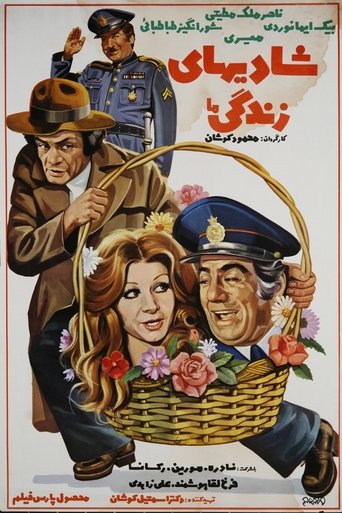
Films
3 films
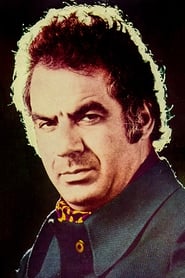
About Naser Malek Motiee
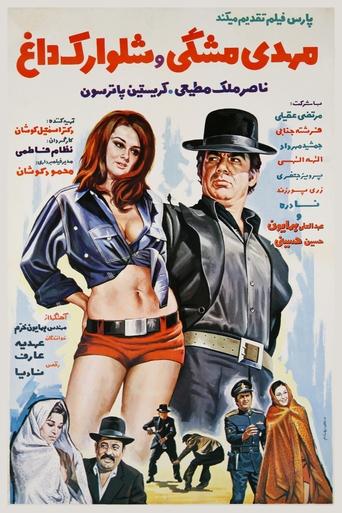
Iranian actor who rose to prominence during the pre-revolutionary Iranian cinema boom of the 1970s. His career, though relatively brief, left a significant mark on Iranian popular cinema with his memorable performances in several notable films. Motiee was known for his versatile acting abilities, often portraying complex characters that resonated with Iranian audiences. His work in films like 'Mehdi meshki va shalvarak-e dagh' (1972) showcased his ability to blend comedy with dramatic elements, a style that became his trademark. Throughout his active years from 1972 to 1976, he collaborated with some of Iran's prominent directors of the era, contributing to what many consider a golden age of Iranian commercial cinema. His performances often reflected the social and cultural dynamics of 1970s Iran, making his work historically significant. Despite his relatively short filmography, Motiee's impact on Iranian cinema continued to be recognized by film scholars and enthusiasts long after his active period.
The Craft
On Screen
Naturalistic and versatile, with a particular talent for blending comedic timing with dramatic depth. Motiee was known for his ability to portray ordinary people with extraordinary depth, bringing authenticity to every role. His performances often incorporated subtle gestures and expressions that conveyed complex emotions, making his characters relatable to Iranian audiences. He had a unique ability to switch between humor and pathos seamlessly, creating multi-dimensional characters that reflected the social realities of 1970s Iran.
Milestones
- Breakthrough role in 'Mehdi meshki va shalvarak-e dagh' (1972)
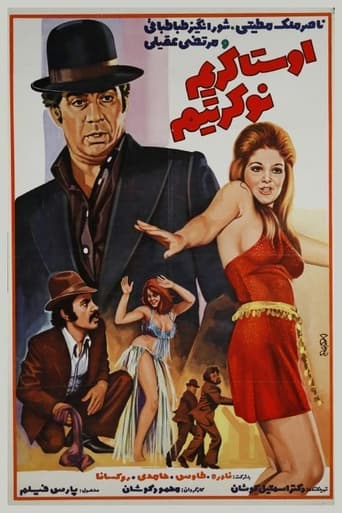
- Critical acclaim in 'Oosta Karim Nokaretim' (1974)
- Memorable performance in 'Joys of Our Life' (1976)
- Recognition as one of Iran's promising character actors of the 1970s
Best Known For
Iconic Roles
Must-See Films
Accolades
Special Recognition
- Recognized as an important figure in 1970s Iranian cinema by film historians
Working Relationships
Worked Often With
Studios
Why They Matter
Impact on Culture
Naser Malek Motiee contributed to the vibrant landscape of 1970s Iranian cinema, a period often considered a golden age for Iranian popular films. His work helped document and reflect the social dynamics of pre-revolutionary Iran, capturing the essence of everyday Iranian life through his characters. His performances in comedy-drama films helped establish a genre that would influence subsequent generations of Iranian filmmakers. Motiee's ability to portray ordinary Iranians with dignity and humor resonated deeply with audiences and contributed to the development of a distinctly Iranian cinematic identity.
Lasting Legacy
Though his active period was brief, Naser Malek Motiee's legacy endures through his contributions to Iranian cinema's development during a crucial transitional period. His films are studied by film historians as examples of pre-revolutionary Iranian popular cinema, offering insights into the cultural and social landscape of 1970s Iran. His naturalistic acting style influenced subsequent generations of Iranian actors who sought to bring authenticity to their performances. Motiee remains a respected figure among Iranian cinema enthusiasts who remember the golden age of Iranian commercial film.
Who They Inspired
Motiee's naturalistic approach to acting and his ability to blend comedy with social commentary influenced the development of character-driven cinema in Iran. His work demonstrated how commercial films could address social realities while maintaining popular appeal, a balance that many Iranian filmmakers continue to seek. His performances helped establish a template for portraying ordinary Iranians on screen with authenticity and respect.
Off Screen
Naser Malek Motiee was born and raised in Tehran, where he developed an early interest in performing arts. He came from a middle-class family that supported his artistic ambitions. His personal life remained relatively private, with most public attention focused on his professional work. Like many Iranian actors of his generation, he witnessed the dramatic changes in Iranian society and cinema during the 1970s revolution.
Education
Limited information available about his formal education, though he likely received training in dramatic arts in Tehran during the 1950s or 1960s
Did You Know?
- Active during what many consider the golden age of Iranian commercial cinema (1970s)
- His film 'Mehdi meshki va shalvarak-e dagh' translates to 'Mehdi the Black and the Spotted Pants'
- The 1970s Iranian cinema boom saw the production of over 100 films annually
- Pre-revolutionary Iranian cinema often blended social commentary with entertainment
- Motiee's career coincided with significant social and political changes in Iran
- Many Iranian actors of his generation faced career challenges after the 1979 revolution
- His films are considered important cultural artifacts documenting pre-revolutionary Iranian society
- Iranian cinema of the 1970s was known as the 'largest film industry in the Middle East' at the time
In Their Own Words
Information about specific quotes from Naser Malek Motiee is not readily available in documented sources
Frequently Asked Questions
Who was Naser Malek Motiee?
Iranian with credits in this catalog. He appeared in several notable films including 'Mehdi meshki va shalvarak-e dagh' (1972) and 'Oosta Karim Nokaretim' (1974), establishing himself as a versatile character actor during what many consider the golden age of Iranian commercial cinema.
What films is Naser Malek Motiee best known for?
Titles linked here include Mehdi meshki va shalvarak-e dagh (1972), Oosta Karim Nokaretim (1974).
When was Naser Malek Motiee born and when did he die?
Born 1930; died death date not listed.
What awards did Naser Malek Motiee win?
Specific awards and nominations for Naser Malek Motiee are not documented in available sources. However, he is recognized by film historians as an important contributor to 1970s Iranian cinema, and his work is studied as part of the cultural heritage of pre-revolutionary Iranian film.
What was Naser Malek Motiee's acting style?
Motiee was known for his naturalistic and versatile acting style, with a particular talent for blending comedic timing with dramatic depth. He excelled at portraying ordinary Iranians with authenticity, using subtle gestures and expressions to convey complex emotions. His ability to seamlessly switch between humor and pathos made his characters relatable and multi-dimensional.