Films
1 film
About Narayan Pache
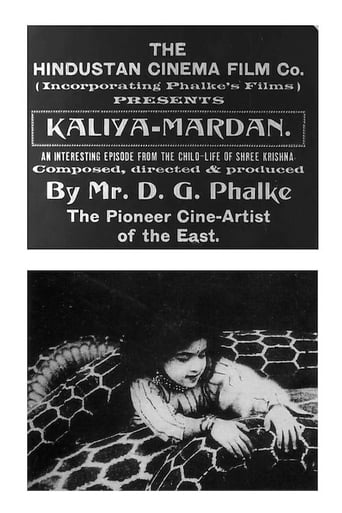
The 1919 film The Childhood of Krishna is the only title linked here for Narayan Pache. His known filmography consists of a single appearance in 'The Childhood of Krishna' (1919), one of the earliest mythological films produced in Indian cinema. As an actor in the nascent stages of Indian filmmaking, Pache would have been part of the generation that helped establish the foundation of what would become one of the world's largest film industries. The film itself was based on the childhood stories of Lord Krishna, a popular subject in early Indian cinema that drew from Hindu mythology and religious traditions. Unfortunately, like many actors from this extremely early period of Indian cinema, detailed records of Pache's life and career are scarce, and his contribution exists primarily through this single surviving film credit. His brief appearance in 1919 places him among the very first generation of Indian film actors at a time when the medium was still establishing itself as an art form and entertainment industry in the subcontinent.
The Craft
Milestones
- Appeared in 'The Childhood of Krishna' (1919), one of India's earliest mythological films
Best Known For
Iconic Roles
Must-See Films
Why They Matter
Impact on Culture
Narayan Pache represents the generation of Indian cinema actors who helped establish the foundation of one of the world's largest film industries. His participation in early mythological films like 'The Childhood of Krishna' contributed to the tradition of religious and mythological storytelling that would become a cornerstone of Indian cinema. These early films were crucial in developing cinematic language and techniques specific to Indian cultural contexts, blending traditional theatrical forms with the new medium of film. While his individual contribution may seem modest by modern standards, actors like Pache were instrumental in proving that cinema could effectively convey Indian stories and cultural values to mass audiences.
Lasting Legacy
Narayan Pache's legacy exists as part of the foundation of Indian cinema history, representing the actors who worked in the medium's infancy. His appearance in a 1919 film places him among the very first generation of Indian film actors, a time when cinema was still establishing itself as a legitimate art form and entertainment medium in India. The preservation of his name in film credits, even for a single film, provides valuable documentation of the early participants in Indian cinema's development. While many early Indian films and their performers have been lost to time, those like Pache who are documented help film historians piece together the narrative of cinema's early years in the subcontinent.
Who They Inspired
As an actor from the very early period of Indian cinema, Narayan Pache's direct influence on later performers is difficult to trace due to the limited documentation of his work and the era. However, he and his contemporaries established the precedent for mythological and religious storytelling in Indian cinema, a tradition that would continue strongly through the decades. Their work demonstrated that Indian cultural and religious themes could be successfully adapted to the cinematic medium, influencing countless future filmmakers and actors who would continue this tradition. The acting styles and techniques developed during this silent era would influence the transition to sound films and the evolution of Indian cinematic performance traditions.
Off Screen
Very little is known about Narayan Pache's personal life, which is typical for actors from the earliest period of Indian cinema when detailed records were not maintained systematically.
Did You Know?
- Appeared in Indian cinema during its silent era (1910s)
- His only known film credit is from 1919, making him one of the earliest documented Indian film actors
- 'The Childhood of Krishna' was part of the early tradition of mythological films in Indian cinema
- Actors from this period of Indian cinema often came from theatrical backgrounds
- Many early Indian films from the 1910s have been lost, making surviving credits like Pache's particularly valuable to film historians
- The year 1919 was still in the very early days of Indian cinema, which began with Dadasaheb Phalke's 'Raja Harishchandra' in 1913
Frequently Asked Questions
Who was Narayan Pache?
Early Indian cinema with credits in this catalog. He is known for his role in 'The Childhood of Krishna' (1919), making him one of the actors in Indian cinema's earliest years.
What films is Narayan Pache best known for?
Titles linked here include The Childhood of Krishna (1919).
When was Narayan Pache active in cinema?
Narayan Pache was active in cinema in 1919, appearing in films during the very early silent period of Indian cinema.
What was significant about 'The Childhood of Krishna' (1919)?
'The Childhood of Krishna' was part of the early tradition of mythological films in Indian cinema, adapting religious stories for the new medium of film and helping establish cultural storytelling patterns in Indian movies.
Why is information about Narayan Pache limited?
Information about Narayan Pache is limited because he worked during the very early period of Indian cinema (1910s) when systematic record-keeping was not established, and many films and documentation from this era have been lost over time.