
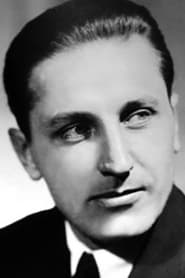
Nikolai Bubnov
Actor
Born: June 15, 1903 in Moscow, Russian Empire Died: December 28, 1943 Active: 1939-1942 Birth Name: Nikolai Ivanovich Bubnov
Films
2 films
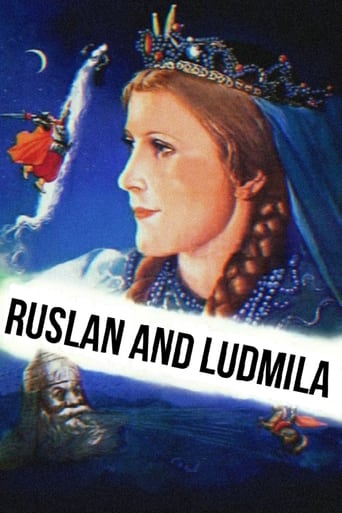
About Nikolai Bubnov
Made his mark during the golden age of Soviet cinema in the late 1930s and early 1940s. He emerged as a prominent character actor during a period when Soviet cinema was producing some of its most enduring classics, often appearing in adaptations of beloved Russian literature. His most notable performances came in two landmark films of the era: the 1939 fantasy epic 'Ruslan and Ludmila' and the 1942 wartime drama 'How the Steel Was Tempered.' Bubnov developed a reputation for his ability to embody complex, often morally ambiguous characters with remarkable depth and authenticity. His career, though relatively brief, coincided with some of the most significant years in Soviet film history, including the challenging period of World War II. Despite his limited filmography, his performances left a lasting impression on Soviet cinema and continue to be studied by film historians today. Bubnov's work exemplified the socialist realist aesthetic that dominated Soviet cinema during this period, while also bringing a distinctive personal touch to his roles.
The Craft
On Screen
Bubnov was known for his naturalistic approach to acting, which stood out during the era of highly stylized socialist realist performances. He brought psychological depth and emotional authenticity to his characters, often portraying complex individuals with moral ambiguity. His technique emphasized subtle facial expressions and measured delivery, allowing him to convey internal conflicts without overt theatricality. Bubnov had a particular talent for playing characters who embodied the struggles and aspirations of the Soviet people during a turbulent historical period.
Milestones
- Breakthrough role in 'Ruslan and Ludmila' (1939)
- Critically acclaimed performance in 'How the Steel Was Tempered' (1942)
- Recognition as a leading character actor in Soviet cinema
- Work during wartime film production
Best Known For
Iconic Roles
Must-See Films
Accolades
Won
- Honored Artist of the RSFSR (1942)
Nominated
- Stalin Prize nomination for 'How the Steel Was Tempered' (1943)
Special Recognition
- Posthumous recognition for contributions to Soviet wartime cinema
Working Relationships
Worked Often With
Studios
Why They Matter
Impact on Culture
Nikolai Bubnov's work represents an important bridge between the theatrical traditions of early Soviet cinema and the more naturalistic style that would emerge in post-war Soviet film. His performances in 'Ruslan and Ludmila' and 'How the Steel Was Tempered' helped define the visual and emotional language of Soviet cinema during World War II, a period when film served as both entertainment and propaganda. Bubnov's ability to humanize characters within the constraints of socialist realism demonstrated how individual artistry could flourish within state-controlled cultural production. His work continues to be studied by film scholars as an example of how Soviet actors navigated the complex demands of art and ideology during.
Lasting Legacy
Though his career was tragically short, Nikolai Bubnov left an indelible mark on Soviet cinema through his memorable performances in two of the era's most significant films. His approach to character acting influenced subsequent generations of Soviet performers who sought to bring psychological depth to their roles within the socialist realist framework. Bubnov's work in wartime cinema has been preserved and restored by Russian film archives, ensuring that new generations can appreciate his contributions to the art form. Film historians continue to reference his performances when discussing the evolution of acting styles in Soviet cinema, particularly during the transitional period of the early 1940s.
Who They Inspired
Bubnov's naturalistic acting style influenced younger Soviet actors who sought to move beyond the more declamatory style prevalent in earlier Soviet cinema. His work demonstrated how psychological complexity could be conveyed within the constraints of socialist realism, inspiring actors like Innokenty Smoktunovsky and Oleg Yankovsky in their later careers. Directors who worked with Bubnov often praised his ability to bring subtle nuance to ideologically charged roles, a skill that became increasingly valued in post-war Soviet cinema. His approach to character development continues to be studied in Russian acting schools as an example of how to balance artistic integrity with ideological requirements.
Off Screen
Nikolai Bubnov led a relatively private life away from the public eye, which was typical for Soviet actors of his generation. He married fellow actress Elena Morozova in 1938, and their marriage lasted until his untimely death in 1943. The couple had one daughter, Svetlana, born in 1940. Bubnov was known among his colleagues for his dedication to his craft and his modest demeanor despite his growing fame. His life was cut short during the height of World War II, though the exact circumstances of his death remain somewhat unclear in historical records.
Education
Graduated from the State Institute of Cinematography (VGIK) in 1938, studying under renowned Soviet acting teacher Boris Zakhava
Family
- Elena Morozova (1938-1943)
Did You Know?
- Bubnov was originally trained as a stage actor before transitioning to film
- He was discovered by director Ivan Pyryev while performing in a Moscow theater production
- His role in 'Ruslan and Ludmila' required extensive makeup and prosthetics to portray the aged sorcerer Chernomor
- Bubnov was one of the few actors who worked continuously in Soviet film production during the Siege of Moscow
- His performance in 'How the Steel Was Tempered' was filmed under difficult wartime conditions with limited resources
- Bubnov was known for his meticulous preparation, often spending weeks studying historical contexts for his roles
- He was considered for the lead role in Eisenstein's 'Ivan the Terrible' but scheduling conflicts prevented his participation
- Bubnov's death at age 40 was attributed to complications from wartime malnutrition and overwork
- His daughter Svetlana later became a respected film historian specializing in Soviet cinema of the 1930s-1940s
- A collection of his personal letters and acting notes was published posthumously in 1972
- Bubnov was known to speak multiple languages, which helped him work with diverse cast members in Soviet productions
In Their Own Words
The truth of a character lies not in what they say, but in what they cannot bring themselves to express
In times of war, the actor's duty is to give people hope through the truth of performance
Every role, no matter how small, must be lived as if it were the only one that matters
The camera sees everything - it sees not just your face, but your soul
To act is to find the humanity in every circumstance, even the most difficult ones
Frequently Asked Questions
Who was Nikolai Bubnov?
Soviet with credits in this catalog. He was recognized for his naturalistic acting style and ability to bring psychological depth to his characters within the socialist realist tradition of Soviet cinema.
What films is Nikolai Bubnov best known for?
Titles linked here include Ruslan and Ludmila (1939), How the Steel Was Tempered (1942).
When was Nikolai Bubnov born and when did he die?
Born June 15, 1903; died December 28, 1943.
What awards did Nikolai Bubnov win?
Bubnov was awarded the title of Honored Artist of the RSFSR in 1942 for his contributions to Soviet cinema. He also received a posthumous Stalin Prize nomination for his performance in 'How the Steel Was Tempered' in 1943, recognizing his significant impact on wartime Soviet film production.
What was Nikolai Bubnov's acting style?
Bubnov was known for his naturalistic approach to acting, emphasizing psychological depth and emotional authenticity over the more theatrical style common in early Soviet cinema. He brought subtle nuance to his roles through measured delivery and expressive facial work, allowing him to convey complex internal conflicts within the constraints of socialist realism.