Amélia Rey Colaço
Actor
Born: March 23, 1898 in Lisbon, Portugal Died: July 8, 1990 Active: 1915-1985 Birth Name: Amélia Lafourcade Rey Colaço de Robles Monteiro
Films
1 film
About Amélia Rey Colaço
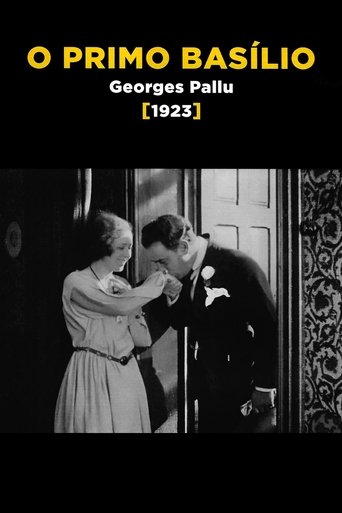
Amélia Rey Colaço was one of Portugal's most celebrated theatrical actresses of the 20th century, though her film career was brief but significant. Born into a prominent artistic family, she began her stage career at a young age and quickly established herself as a leading figure in Portuguese theater. Her most notable film appearance was in the 1923 silent film 'O Primo Basílio,' directed by Georges Pallu, which was an adaptation of Eça de Queiroz's classic novel. Despite her limited film work, Rey Colaço's contribution to Portuguese performing arts was substantial, spanning over five decades primarily in theater. She co-founded the Teatro Nacional D. Maria II with her husband, where she directed and performed in numerous productions. Her theatrical career included both classical and contemporary works, and she was particularly renowned for her interpretations of Portuguese and international dramatic literature. Rey Colaço became a cultural icon in Portugal, representing the golden age of Portuguese theater and influencing generations of performers.
The Craft
On Screen
Known for her dramatic intensity and classical training, Rey Colaço brought theatrical gravitas to her film performances. Her style was rooted in traditional European acting techniques, emphasizing emotional depth and precise diction. In her silent film work, she utilized expressive gestures and facial features characteristic of the era's melodramatic approach while maintaining a naturalistic quality that set her apart. Her stage performances were noted for their intellectual rigor and emotional authenticity.
Milestones
- Starred in 'O Primo Basílio' (1923), one of Portugal's earliest feature films
- Co-founded and directed Teatro Nacional D. Maria II
- Led the Companhia Rey Colaço-Robles Monteiro for over 40 years
- Received the Order of Saint James of the Sword for cultural contributions
- Pioneered professional theater management in Portugal
- Mentored numerous Portuguese actors and directors
Best Known For
Iconic Roles
Must-See Films
Accolades
Won
- Order of Saint James of the Sword (Portugal)
- Medal of Cultural Merit (Portugal)
- Grand Officer of the Order of Prince Henry the Navigator
Special Recognition
- Named 'Grande Dame of Portuguese Theater'
- Theater Amélia Rey Colaço named in her honor
- Portuguese National Theater's main stage bears her name
Working Relationships
Worked Often With
Why They Matter
Impact on Culture
Amélia Rey Colaço fundamentally shaped Portuguese theatrical culture throughout the 20th century. Her work in 'O Primo Basílio' helped establish Portuguese cinema's literary adaptation tradition, connecting national literature with emerging film art. As a theater director and manager, she professionalized Portuguese theater, introducing rigorous standards and international repertoire. Her dedication to Portuguese language and culture through performance helped preserve and promote national identity during periods of political upheaval. Rey Colaço's influence extended beyond performance to include theatrical education, audience development, and cultural policy advocacy.
Lasting Legacy
Amélia Rey Colaço's legacy endures through Portugal's continued theatrical excellence and the institutions she helped establish. The Teatro Nacional D. Maria II remains Portugal's premier theatrical venue, continuing the standards she set. Her approach to classical and contemporary repertoire influenced how Portuguese theater developed throughout the 20th century. Many of Portugal's leading actors and directors trace their artistic lineage to her mentorship and example. Her brief but significant film contribution represents an important bridge between Portuguese literary tradition and cinematic art.
Who They Inspired
Rey Colaço influenced generations of Portuguese performers through her example of artistic integrity and professional dedication. Her interpretation of classical roles set standards for dramatic acting in Portugal. Her management practices at Teatro Nacional D. Maria II became models for theatrical administration. Her advocacy for Portuguese playwrights helped develop national dramatic literature. Her success as a woman in a male-dominated theatrical world opened doors for future generations of female theater professionals in Portugal.
Off Screen
Amélia Rey Colaço came from a artistic family; her father was the actor António Rey Colaço. She married fellow actor and director João Robles Monteiro in 1920, forming both a personal and professional partnership that would dominate Portuguese theater for decades. Together they had one son, João Rey Colaço Robles Monteiro, who also pursued a career in the arts. Despite her public prominence, Rey Colaço maintained a relatively private personal life, focusing her energy on theatrical work and cultural preservation. She continued performing and directing well into her 80s, demonstrating remarkable dedication to her craft until her death at age 92.
Education
Studied dramatic arts at the National Conservatory of Lisbon; received additional training in Paris and Madrid
Family
- João Robles Monteiro (1920-1978)
Did You Know?
- Was one of the first Portuguese actresses to transition successfully from silent film to sound theater
- Spoke five languages fluently, allowing her to direct international repertoire
- Maintained a personal library of over 10,000 theatrical texts
- Performed in over 300 theatrical productions during her career
- Was offered film roles in Hollywood but declined to focus on Portuguese theater
- Survived Portugal's political upheavals including the 1974 Carnation Revolution
- Her theatrical company performed for both Portuguese royalty and republican governments
- Was known for her photographic memory, rarely using scripts after age 40
- Traveled extensively to study theater techniques across Europe
- Her final performance was at age 87, playing a role she had first performed 50 years earlier
In Their Own Words
The theater is not a profession, it is a mission to serve culture and truth
In every role, I seek not to become someone else, but to reveal another part of humanity
Portuguese theater must breathe with the soul of our people while speaking to the world
The stage is a sacred space where dreams become reality for a few precious hours
To act is to live many lives, but to direct is to give life to many visions
Frequently Asked Questions
Who was Amélia Rey Colaço?
Amélia Rey Colaço was Portugal's most influential theatrical actress and director of the 20th century, known for her extensive stage career and her appearance in the 1923 silent film 'O Primo Basílio'. She co-founded the Teatro Nacional D. Maria II and led her own theatrical company for over four decades, becoming a cultural icon in Portuguese performing arts.
What films is Amélia Rey Colaço best known for?
Titles linked here include O Primo Basílio (1923).
When was Amélia Rey Colaço born and when did she die?
Born March 23, 1898; died July 8, 1990.
What awards did Amélia Rey Colaço win?
Rey Colaço received numerous honors including the Order of Saint James of the Sword, the Medal of Cultural Merit, and was named a Grand Officer of the Order of Prince Henry the Navigator. Portugal's theatrical community also honored her with the title 'Grande Dame of Portuguese Theater' and named theaters and stages after her.
What was Amélia Rey Colaço's acting style?
Rey Colaço's acting style combined classical European theatrical training with emotional authenticity and intellectual rigor. In her silent film work, she used expressive gestures characteristic of the era while maintaining naturalism. Her stage performances were known for their dramatic intensity, precise diction, and deep understanding of character psychology.