Yossele Rosenblatt
Actor
Born: May 9, 1882 in Bila Tserkva, Ukraine, Russian Empire Died: June 19, 1933 Active: 1890s-1933 Birth Name: Yosef Rosenblatt
Films
1 film
About Yossele Rosenblatt
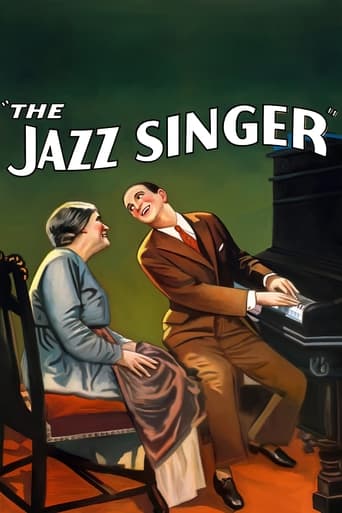
Yossele Rosenblatt, born Yosef Rosenblatt, was cantors of the early 20th century, often referred to as the 'Jewish Caruso' for his extraordinary vocal abilities. Born in Ukraine, he began his cantorial career at a young age and quickly gained international recognition for his powerful and emotionally charged performances. His reputation spread beyond Jewish communities, leading to concert tours throughout Europe and America. In 1927, he made his only film appearance in the landmark movie 'The Jazz Singer,' playing himself in a memorable scene where he performs cantorial music. Despite being offered a lucrative Hollywood contract, he declined to pursue a film career, preferring to remain dedicated to his religious and musical calling. Throughout his career, he recorded numerous cantorial pieces that became standards in Jewish liturgical music and influenced generations of cantors. His untimely death in 1933 during a concert tour in Palestine cut short a remarkable career that had bridged traditional Jewish music with modern entertainment.
The Craft
On Screen
Natural and authentic, as he portrayed himself in his only film role, bringing genuine cantorial artistry to the screen rather than theatrical acting
Milestones
- Became chief cantor at Budapest's main synagogue at age 18
- Appointed cantor at the prestigious Central Synagogue in New York City (1912)
- Made concert debut at Carnegie Hall (1917)
- Appeared in 'The Jazz Singer' (1927)
- Recorded extensively for Columbia Records
- Treated President Calvin Coolidge at the White House (1924)
Best Known For
Iconic Roles
Must-See Films
Accolades
Special Recognition
- Recognized as the greatest cantor of his generation
- Honored with numerous tributes and memorial concerts after his death
Working Relationships
Worked Often With
Studios
Why They Matter
Impact on Culture
Yossele Rosenblatt played a pivotal role in bringing cantorial music to mainstream American audiences, effectively bridging the gap between sacred Jewish tradition and popular entertainment. His appearance in 'The Jazz Singer' represented a significant moment in cinema history, as it was one of the first times authentic Jewish religious music was featured in a major Hollywood production. His recordings helped preserve and popularize traditional cantorial art at a time when many feared it might be lost to modernization. By maintaining his religious principles while achieving international fame, he became a symbol of how traditional culture could coexist with modern success.
Lasting Legacy
Rosenblatt's legacy endures through his extensive recordings, which continue to be studied and performed by cantors worldwide. His unique vocal style, combining technical mastery with deep emotional expression, set a standard for cantorial performance that remains influential. The Rosenblatt style of cantorial singing became a distinct school within Jewish liturgical music. His decision to prioritize religious observance over commercial success established an important precedent for religious artists in the entertainment industry. Many of his compositions and arrangements remain integral parts of the Jewish liturgical repertoire.
Who They Inspired
Rosenblatt influenced generations of cantors who sought to emulate his vocal technique and emotional approach to liturgical music. His success demonstrated that sacred music could have broad appeal without compromising its religious integrity. Contemporary Jewish musicians and cantors continue to study his recordings as models of technical and artistic excellence. His ability to move between concert halls and synagogues inspired later artists to explore similar paths. The 'Jewish Caruso' nickname itself influenced how subsequent Jewish vocalists were marketed and perceived in the broader entertainment world.
Off Screen
Rosenblatt was deeply religious and maintained traditional Jewish observance throughout his career, despite his international fame. He married Leah (née Levin) and had a large family, including several children who followed in his musical footsteps. Despite offers to perform on the Sabbath and religious holidays for substantial sums, he consistently refused, prioritizing his religious principles over commercial success. His family life was marked by both the privileges of his fame and the challenges of maintaining religious observance in the secular entertainment world.
Education
Received traditional Jewish education and musical training in his youth, studying under various cantors and developing his unique vocal style through both formal instruction and natural talent
Family
- Leah Levin (1905-1933)
Did You Know?
- Was offered $100,000 by Warner Bros. To appear in more films but declined to avoid performing on the Sabbath
- His voice spanned an extraordinary range and could reportedly shatter glass
- President Calvin Coolidge was so impressed by his singing that he invited him to perform at the White House
- He was the first cantor to perform at Carnegie Hall, selling out the venue
- Despite his fame, he always maintained his traditional beard and religious appearance
- His recordings were among the first Jewish liturgical music to be widely distributed commercially
- He died while on a concert tour in Jerusalem, fulfilling his dream of visiting Palestine
- His son Samuel continued the family tradition and became a prominent cantor
- He reportedly could sing in multiple languages and mastered various musical styles
- His appearance in 'The Jazz Singer' was uncredited but highly memorable
In Their Own Words
I would rather sing for God in my synagogue than for the devil on Broadway
My voice is a gift from the Almighty, and I must use it in His service
When I sing, I am not performing; I am praying with my voice
Frequently Asked Questions
Who was Yossele Rosenblatt?
Yossele Rosenblatt was. He gained international fame for his liturgical performances and made a memorable appearance in the 1927 film 'The Jazz Singer.' Despite offers for a Hollywood career, he remained dedicated to his religious calling as a cantor.
What films is Yossele Rosenblatt best known for?
Titles linked here include The Jazz Singer (1927).
When was Yossele Rosenblatt born and when did he die?
Born May 9, 1882; died June 19, 1933.
What awards did Yossele Rosenblatt win?
While Yossele Rosenblatt didn't receive formal film industry awards, he was widely recognized as the greatest cantor of his generation. He received numerous honors throughout his career, including performances at prestigious venues like Carnegie Hall and the White House, and was celebrated as the 'Jewish Caruso' for his exceptional vocal abilities.
What was Yossele Rosenblatt's musical style?
Rosenblatt's style combined extraordinary vocal technique with deep emotional expressiveness, featuring remarkable range and control. He brought traditional cantorial music to mainstream audiences while maintaining its sacred character and religious authenticity. His approach influenced generations of cantors and helped preserve liturgical traditions for modern audiences.