Films
1 film
About Gavriil Belov
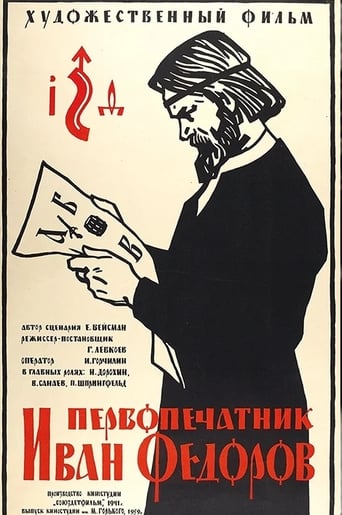
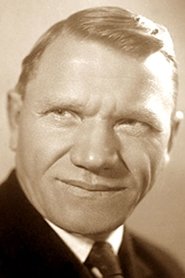
Soviet actor active during the early 1940s, known primarily for his role in the historical drama 'First Printer Ivan Fedorov' (1941). His career appears to have been brief, coinciding with the tumultuous period of World War II when Soviet film production was significantly disrupted. The film in which he appeared was a biographical work about Ivan Fedorov, one of Russia's first printers, reflecting the Soviet Union's interest in celebrating historical figures who contributed to Russian culture and education. Like many actors of his era, Belov likely received his training through Soviet theatrical institutions, which were the primary pipeline for film talent during this period. His single known film credit suggests he may have been primarily a stage actor who made a rare appearance in cinema, or perhaps his career was cut short by the circumstances of war. The limited documentation of his work is not uncommon for supporting actors from this period, as many Soviet film records from the early 1940s were incomplete or lost during the conflict.
The Craft
Milestones
- Appeared in 'First Printer Ivan Fedorov' (1941) during the early Soviet wartime cinema period
Best Known For
Iconic Roles
Must-See Films
Working Relationships
Studios
Why They Matter
Impact on Culture
As a minor actor in Soviet cinema of the early 1940s, Gavriil Belov's contribution to film history is primarily through his participation in 'First Printer Ivan Fedorov,' a film that exemplified the Soviet approach to historical biopics during this period. The film itself was part of a broader cultural effort to educate Soviet audiences about important figures in Russian history while reinforcing national pride during the difficult war years. Even supporting actors like Belov played a role in this cultural mission, helping to bring historical narratives to life for contemporary audiences. The preservation of his name in film credits, however minimal, contributes to the broader documentation of Soviet cinema history and the many artists who participated in it.
Lasting Legacy
Gavriil Belov's legacy in cinema history is minimal but significant as part of the collective effort of Soviet filmmakers during World War II. His appearance in 'First Printer Ivan Fedorov' places him within the context of Soviet wartime cinema, a period that saw the creation of numerous patriotic and historical films intended to boost morale and cultural identity. While he may not have achieved lasting fame, his contribution represents the work of countless supporting actors who were essential to creating the Soviet film history. The documentation of his role, however brief, serves as a reminder of the many artists whose names survive only through their participation in specific productions.
Who They Inspired
Due to the limited scope of his known film work, there is no documented evidence of Gavriil Belov's influence on other actors or filmmakers. His career appears to have been too brief or specialized to have left a lasting impact on subsequent generations of Soviet or Russian cinema artists.
Off Screen
Very limited information is available about Gavriil Belov's personal life, which is not uncommon for supporting Soviet actors from the 1940s whose careers were brief or primarily focused on stage work rather than cinema.
Did You Know?
- Appeared in cinema during
- 'First Printer Ivan Fedorov' was a historical biopic, a genre that was particularly popular in Soviet cinema for educational and cultural purposes
- The film was released just before the Soviet Union entered World War II in June 1941
- Supporting actors from this period often had extensive stage careers but limited film appearances
- Many Soviet films from 1941-1945 were focused on patriotic themes and historical heroes to boost wartime morale
- The character of Ivan Fedorov was significant in Russian history as the first to print a book in Russia in the 16th century
Frequently Asked Questions
Who was Gavriil Belov?
Soviet with credits in this catalog.' His career appears to have been brief, with only this single film credit documented.
What films is Gavriil Belov best known for?
Titles linked here include First Printer Ivan Fedorov (1941).
When was Gavriil Belov born and when did he die?
Specific birth and death dates for Gavriil Belov are not documented in available sources, which is not uncommon for supporting Soviet actors from this period who had brief film careers.
What awards did Gavriil Belov win?
There are no documented awards or nominations for Gavriil Belov, which is typical for supporting actors with very limited film credits during this era of Soviet cinema.
What was Gavriil Belov's acting style?
Due to the limited documentation of his work, specific details about Gavriil Belov's acting style are not available. Like most Soviet actors of his era, he likely trained in theatrical techniques that emphasized clear projection and emotional expressiveness suitable for both stage and screen.