
Films
1 film
About Valeriya Novak
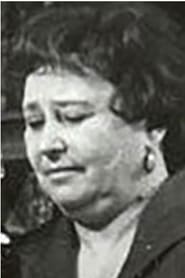
Valeriya Novak appeared in Soviet cinema during the early 1950s. Her known filmography consists of a single appearance in the 1951 Soviet comedy 'Truth is Good, But Happiness is Better' (Pravda khorosha, a schast'e luchshe), directed by Nikolay Dostal and Aleksandr Stolper. Unfortunately, detailed biographical information about her life, career trajectory, and other potential works remains scarce in historical records. She appears to have had a very brief or perhaps undocumented career in the film industry, with no other credited roles found in major cinema archives. The limited documentation of her work suggests she may have been a minor character actor or someone who had a short-lived acting career during the early post-war Soviet cinema period.
The Craft
Milestones
- Appeared in 'Truth is Good, But Happiness is Better' (1951)
Best Known For
Must-See Films
Why They Matter
Impact on Culture
Due to the limited documentation of Valeriya Novak's career and only known film appearance, her specific cultural impact on cinema history remains difficult to assess. She represents one of many actors from the Soviet film industry of the early 1950s whose contributions have not been extensively preserved in film historical records.
Lasting Legacy
Valeriya Novak's legacy is primarily tied to her appearance in the 1951 Soviet comedy 'Truth is Good, But Happiness is Better.' The lack of extensive documentation about her career highlights the challenges in preserving the complete history of cinema, particularly regarding supporting and minor actors from mid-20th century Soviet film production.
Who They Inspired
With only one known film credit, there is insufficient information to determine Valeriya Novak's influence on other actors or directors in the film industry.
Off Screen
Very limited information is available about Valeriya Novak's personal life. Historical records from Soviet cinema of this era often lack comprehensive documentation for minor actors and supporting performers.
Did You Know?
- Her only known film credit is from 1951
- She appeared in a Soviet comedy film directed by Nikolay Dostal and Aleksandr Stolper
- The film's Russian title is 'Pravda khorosha, a schast'e luchshe'
- She appears to have had a very brief acting career
- Limited documentation exists about her life and career
- She represents the many undocumented actors from Soviet cinema's golden era
Frequently Asked Questions
Who was Valeriya Novak?
Soviet with credits in this catalog.' Very limited biographical information exists about her life and career.
What films is Valeriya Novak best known for?
Titles linked here include Truth is Good, But Happiness is Better (1951).
When was Valeriya Novak born and when did she die?
The birth and death dates of Valeriya Novak are not documented in available historical records, highlighting the limited information preserved about minor actors from this era of Soviet cinema.
What awards did Valeriya Novak win?
There are no documented awards or nominations for Valeriya Novak in available film history records, which is not uncommon for actors with very limited filmographies.
What was Valeriya Novak's acting style?
Due to the limited documentation of her work and only known film appearance, there is insufficient information to describe Valeriya Novak's specific acting style or techniques.
Why is there so little information about Valeriya Novak?
The scarcity of information about Valeriya Novak reflects a common challenge in film history, where minor actors and supporting performers from mid-20th century Soviet cinema often lack comprehensive documentation in historical archives.