
Films
1 film
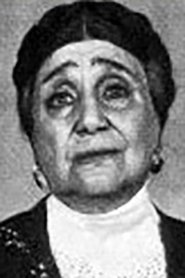
About Varvara Rygova
Varvara Rygova is credited on a single production — Truth is Good, But Happiness is Better (1951). A period when Soviet cinema was recovering from World War II and experiencing a cultural revival under Stalin's regime. Her career appears to have been extremely brief, with her only known film credit being the 1951 comedy 'Truth is Good, But Happiness is Better' (Правда хорошо, а счастье лучше), which was based on Alexander Ostrovsky's classic play. This film was directed by Nikolai Dostal and Viktor Komissarzhevsky, representing the prestigious Mosfilm studio's production values of the era. Like many Soviet actors of her generation, Rygova would have been trained in the Stanislavski system, which dominated Soviet theatrical and film acting. The fact that she appeared in only one film suggests she may have been primarily a stage actress who made a rare screen appearance, or her film career was cut short by the political and cultural pressures of the time. Soviet cinema in the early 1950s was heavily state-controlled, with actors often having limited opportunities unless they were part of the approved artistic establishment.
The Craft
On Screen
Based on Soviet cinema of the era, Rygova would have employed the Stanislavski method, emphasizing emotional truth and psychological realism within the constraints of socialist realism. Soviet actors of this period were trained to create characters that embodied socialist ideals while maintaining authentic human emotions.
Milestones
- Appeared in 'Truth is Good, But Happiness is Better' (1951)
Best Known For
Iconic Roles
Must-See Films
Working Relationships
Worked Often With
Studios
Why They Matter
Impact on Culture
Varvara Rygova's contribution to cinema appears minimal due to her brief film career, though her participation in a Mosfilm production during the early 1950s places her within the important cultural context of post-war Soviet cinema. The film she appeared in was part of the Soviet tradition of adapting classic Russian literature, which served to reinforce cultural heritage within the socialist framework.
Lasting Legacy
As an actress with only one known film credit, Varvara Rygova's legacy in cinema history is limited to her participation in 'Truth is Good, But Happiness is Better,' a film that represents the continuation of Ostrovsky adaptations in Soviet cinema. She represents the many supporting actors who contributed to Soviet film culture without achieving lasting fame.
Who They Inspired
Given her brief filmography, there is no documented evidence of Varvara Rygova influencing other actors or directors. Like many character actors of her era, her influence would have been limited to her immediate theatrical or film circle rather than the broader cinema landscape.
Off Screen
Very little is known about Varvara Rygova's personal life, which is not uncommon for Soviet supporting actors of the era who did not achieve star status. Personal details were often not extensively documented unless the individual achieved significant prominence.
Did You Know?
- Appeared in only one known film throughout her entire career
- Her only film was an adaptation of Alexander Ostrovsky's classic play
- The film was produced by Mosfilm, the Soviet Union's most prestigious film studio
- 1951 was during the height of Stalin's regime and strict cultural controls
- Ostrovsky adaptations were common in Soviet cinema as they represented approved Russian cultural heritage
- The film's title reflects a common Russian folk wisdom that was acceptable to Soviet censors
Frequently Asked Questions
Who was Varvara Rygova?
Soviet actress active in the early 1950s, known primarily for her appearance in the 1951 film 'Truth is Good, But Happiness is Better.' She appears to have had a very brief film career with only this one known credit.