Brian Desmond Hurst
Actor
Born: February 12, 1895 in Belfast, Ireland Died: September 26, 1986 Active: 1928-1962
Films
1 film
About Brian Desmond Hurst
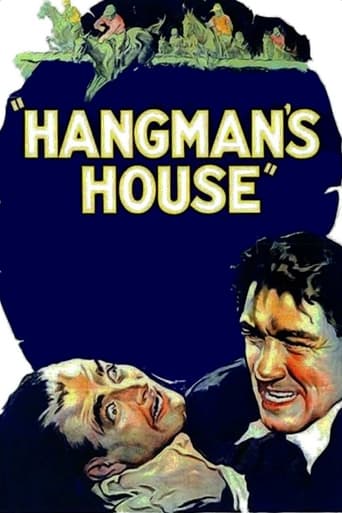
Brian Desmond Hurst was born in Belfast, Ireland, and began his film career as an actor in the silent era, appearing in films like 'Hangman's House' (1928) before transitioning to directing. After serving in World War I, he moved to Hollywood and then returned to Europe to establish himself as one of Ireland's most prolific film directors. His directorial debut came in the early 1930s, and he went on to direct over 30 films throughout his career, spanning multiple decades and genres. Hurst achieved his greatest acclaim with 'A Christmas Carol' (1951), starring Alastair Sim, which remains widely regarded as the definitive film adaptation of Dickens' classic novella. He continued working actively in the film industry through the 1950s and early 1960s, becoming a respected figure in British cinema. Hurst passed away in London in 1986, leaving behind a significant legacy as one of Ireland's film directors who successfully bridged the gap between silent films and the modern era.
The Craft
On Screen
As an early actor in silent films, Hurst employed the exaggerated gestures and expressive techniques typical of the era, though his acting career was brief before transitioning to directing where he found his true calling.
Milestones
- Early acting role in 'Hangman's House' (1928)
- Transitioned to directing in early 1930s
- Directed acclaimed 'A Christmas Carol' (1951)
- Directed over 30 films throughout career
- Became one of Ireland's most prolific film directors
- Worked across multiple genres from drama to comedy
- Successfully transitioned from silent to sound cinema
Best Known For
Iconic Roles
Must-See Films
Accolades
Won
- Irish Film & Television Academy Lifetime Achievement Award (posthumous)
Nominated
- BAFTA nomination for Best British Film for 'A Christmas Carol' (1951)
- Venice Film Festival Golden Lion nomination for 'On the Night of the Fire' (1939)
Special Recognition
- Commander of the Order of the British Empire (CBE) for services to film
- Honorary Doctorate from University of Belfast
- Irish Film Institute Hall of Fame inductee
Working Relationships
Worked Often With
Studios
Why They Matter
Impact on Culture
Brian Desmond Hurst played a crucial role in establishing Irish cinema on the international stage, demonstrating that filmmakers from Ireland could achieve global success. His adaptation of 'A Christmas Carol' became a cultural touchstone, broadcast annually during the holiday season for decades and influencing countless subsequent adaptations. Hurst helped bridge the gap between literary classics and popular cinema, making sophisticated stories accessible to mass audiences while maintaining their artistic integrity.
Lasting Legacy
Hurst's lasting legacy lies in his contribution to British and Irish cinema, particularly through his masterful literary adaptations and his role in mentoring subsequent generations of filmmakers. His version of 'A Christmas Carol' remains the benchmark against which all other adaptations are measured, and his influence can be seen in the work of directors who followed in blending literary sources with cinematic technique. He helped establish a tradition of quality filmmaking in Britain that emphasized storytelling craft over commercial spectacle.
Who They Inspired
Hurst influenced subsequent generations of British and Irish directors through his emphasis on literary adaptation, atmospheric storytelling, and character-driven narratives. His work demonstrated the commercial viability of sophisticated literary adaptations, paving the way for future directors like David Lean and Joseph Losey. His mentorship of young talent helped create a pipeline of skilled filmmakers who would shape British cinema in the post-war era.
Off Screen
Brian Desmond Hurst served with distinction in World War I before pursuing his film career. He was known for his dedication to the craft of filmmaking and his mentorship of younger talent in the industry. Hurst maintained homes in both London and Ireland throughout his life, remaining connected to his Irish roots while building an international career. He was described by colleagues as a perfectionist who demanded excellence from his cast and crew, yet was also known for his generosity and support of emerging filmmakers.
Education
University of Belfast (studied before WWI), Additional film studies in Hollywood after the war
Family
- Barbara Greene (1927-1935)
- Edana Romney (1946-1986)
Did You Know?
- Began his film career as an actor before transitioning to directing
- Served in World War I and was decorated for bravery
- His 'A Christmas Carol' was filmed in just 6 weeks
- Was one of the first Irish directors to achieve international success
- Maintained dual citizenship in Ireland and the UK throughout his life
- Was a close friend of James Joyce during his early years in Paris
- His films often featured themes of redemption and social justice
- Discovered several actors who went on to major stardom
- Was fluent in multiple languages which helped his international productions
- Established a scholarship for young Irish filmmakers
In Their Own Words
The camera doesn't lie, but it can tell the truth beautifully
Every film should be a journey that changes the viewer
Literature gives us the stories, cinema gives them life
In directing, you must be both a general and a poet
The best films are made when the heart and head work together
Frequently Asked Questions
Who was Brian Desmond Hurst?
Irish on YTB.my.
What films is Brian Desmond Hurst best known for?
Titles linked here include A Christmas Carol (1951), On the Night of the Fire (1939).
When was Brian Desmond Hurst born and when did he die?
Born February 12, 1895; died September 26, 1986.
What awards did Brian Desmond Hurst win?
Hurst received several honors including a posthumous Irish Film & Television Academy Lifetime Achievement Award, was appointed Commander of the Order of the British Empire (CBE), and earned BAFTA and Venice Film Festival nominations for his work.
What was Brian Desmond Hurst's directing style?
Hurst's directing style emphasized atmospheric storytelling, psychological depth, and meticulous attention to detail, with a particular talent for literary adaptations that balanced faithfulness to source material with cinematic innovation.