Dranem
Actor
- Born
- May 7, 1869, Paris, France
- Died
- January 13, 1935
- Active
- 1905-1905
- Birth name
- Armand Ménard
Films 2
About Dranem
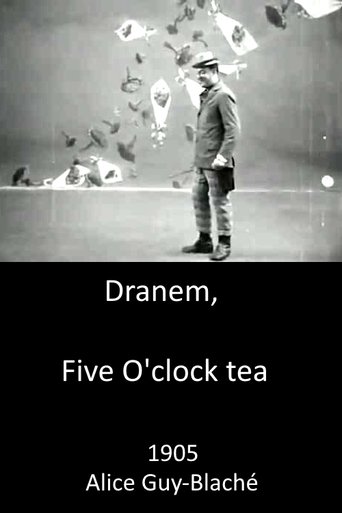
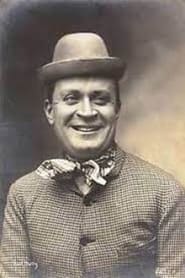
Dranem was the stage name of Armand Ménard, a celebrated French singer, comedian, and music-hall entertainer who also appeared in early cinema. Born in Paris in the late nineteenth century, he became famous well before film by cultivating a comic persona built around absurd patter, playful regional speech, and an instantly recognizable stage presence. In the 1900s, as moving pictures were still a novelty, he made short filmed performances that preserved elements of his vaudeville and café-concert act, including the 1905 film Dranem Performs "Five O'Clock Tea." His screen appearances were not the basis of a long acting career in narrative cinema, but rather extensions of his performance style for early film audiences. Dranem's importance in film history lies in his connection to the earliest era of filmed entertainment, when popular stage stars were recorded for posterity and for exhibition in fairgrounds, music halls, and early picture theaters. He remained far better known as an entertainer than as a film actor, and his legacy belongs primarily to French popular performance and early screen history. Because his cinematic work was limited and fragmentary, much of his reputation survives through historical accounts of his stage fame and the few films that captured his act.
More about Dranem
On screen
Dranem's screen presence was rooted in stage comedy rather than naturalistic acting. His style relied on exaggerated facial expression, comic timing, and the delivery of humorous songs or patter built around a distinctive persona. In early film, where performers often faced the camera directly and played to an audience rather than to a realistic narrative situation, his approach translated naturally to the short-form recorded performance. His comedy depended on persona, rhythm, and vocal character, making him especially effective in filmed music-hall pieces that preserved the flavor of live entertainment.
In film history
Dranem was significant as part of the first generation of performers whose fame crossed from live entertainment into early cinema. His filmed appearance in 1905 belongs to a period when movie cameras preserved comic songs, novelty acts, and theatrical numbers for a mass audience that was still discovering the possibilities of screen entertainment. He helped embody the French music-hall tradition for the moving picture medium, showing how popular performance could be adapted to a new technology without losing its essential stage identity. Although he did not become a major narrative film star, his presence in early film documentation makes him an important figure in the history of performance capture and the transition from stage celebrity to screen celebrity.
Later reputation
Dranem's lasting legacy is less about a large filmography than about his role in the heritage of early popular entertainment. He stands as an example of how the silent cinema era often preserved entertainers whose main renown came from stage performance, recordings, and live comedy. For historians of early French film, he is a valuable reminder that cinema did not begin only with directors and actors in fictional stories, but also with recorded sketches, songs, and comic turns that extended existing theatrical traditions. His surviving screen appearance contributes to our understanding of how audiences at the dawn of cinema encountered familiar performers in a new medium. As a result, he occupies a small but meaningful place in film history and in the broader history of French comic performance.
Influence
Dranem influenced later performers primarily through the model of the comic singer-comedian whose personality and delivery were as important as scripted material. His work helped establish a template for screen-recorded variety performance, in which a performer addressed the camera directly and relied on rhythm, gesture, and persona to carry the number. That approach would later be echoed by countless variety-film and sound-film entertainers who brought stage acts to screen with minimal adaptation. While his influence on narrative film acting was limited, his importance to performance history lies in showing how pre-cinematic entertainment could be archived and disseminated through film.
Off screen
Armand Ménard, known professionally as Dranem, lived a life centered on French popular entertainment rather than the film industry. Historical records emphasize his public persona and stage career much more than intimate biographical details, and comprehensive documentation of his private life is limited in widely available film-reference sources. He was associated with the world of Parisian popular performance during a period when singers and comedians could become national celebrities through recordings, live appearances, and novelty film shorts. Because of the scarcity of detailed film-era biographical material, specific information about his marriages, children, or household life is not reliably established in standard cinema references.
Credits
- Became a major French popular entertainer in the café-concert and music-hall world before appearing on film
- Recorded one of the surviving early cinematic performances associated with his stage act, including Dranem Performs "Five O'Clock Tea" (1905)
- Helped define the comic singer tradition of fin-de-siècle and Belle Époque French entertainment
- Achieved enduring fame as a stage personality whose mannerisms and comic delivery were widely imitated
- Represents the historical link between music-hall celebrity and early filmed performance in silent-era exhibition
Roles
- His own comic music-hall persona
- Performer in the filmed stage turn "Five O'Clock Tea"
Films
Collaborators
- Promoters and producers of early French short subjects
- Music-hall and café-concert performers of the Belle Époque
Studios
- Early French film production associated with filmed stage performance
Notes
- Dranem was the professional name of Armand Ménard, one of the best-known French comic singers of his era.
- He is associated with the Belle Époque world of café-concert and music-hall entertainment.
- His filmography is extremely small and is centered on filmed performances rather than dramatic roles.
- Dranem Performs "Five O'Clock Tea" (1905) reflects the early cinema practice of recording popular stage acts for exhibition.
- He is far better documented as a live performer than as a screen actor.
- His comic persona was part of a broader French tradition of character-driven stage singing and patter.
- Because early film records were often incomplete, some details of his screen work may survive only through catalog references and archival listings.
Questions
Who was Dranem?
Dranem was the stage name of Armand Ménard, a French singer, comedian, and music-hall performer who also appeared in early film. He is best remembered as a Belle Époque entertainer whose comic persona was captured in short filmed performances, including Dranem Performs "Five O'Clock Tea" (1905).
What films is Dranem best known for?
Dranem is best known for the short early film Dranem Performs "Five O'Clock Tea" (1905), which preserved part of his stage act. His screen work is limited and mainly of historical interest as an example of filmed music-hall performance.
When was Dranem born and when did he die?
Dranem was born on May 7, 1869, in Paris, France, and died on January 13, 1935. His career was primarily based in French popular entertainment long before and beyond his brief presence on film.
What awards did Dranem win?
No major film awards or formal cinema honors are well documented for Dranem in standard film references. His reputation rests on his popularity as a live entertainer and his importance to early performance film rather than on awards.
What was Dranem's acting style?
Dranem's screen style came from music-hall comedy rather than dramatic realism. He used exaggerated expression, comic timing, and a strong stage persona, which worked especially well in early short films that recorded performers directly for the camera.
What is Dranem's legacy in film history?
Dranem's legacy lies in his role as an early example of a major stage entertainer recorded on film. He helps illustrate how silent-era cinema preserved vaudeville and music-hall acts, making him an important figure in the transition from live popular entertainment to screen performance.