Dranem Performs "Five O'Clock Tea"
Plot
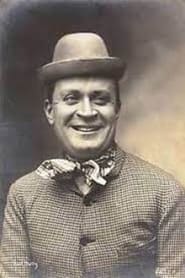
In this very short early actuality-style performance film, the French entertainer Dranem presents his comic song and stage persona in front of Alice Guy’s camera, offering a filmed record of a popular music-hall act rather than a narrative drama. The piece is built around performance and spectacle: Dranem sings and acts out "Five O'Clock Tea" with the expressive physicality and humorous characterization that made him a well-known stage attraction. Alice Guy-Blaché’s camera remains focused on capturing the performance clearly and directly, preserving the rhythms of the act for audiences who may have wanted to see or revisit a celebrated entertainer on screen. The film functions as both entertainment and documentation, demonstrating the cinema’s early role in preserving vaudeville, café-concert, and music-hall performance traditions.
Director
Alice Guy-BlachéCast
About the Production
This is an early filmed performance made during Alice Guy-Blaché’s tenure at Gaumont, when she frequently recorded stage performers, comic numbers, and other popular attractions for exhibition in nickelodeons and fairground venues. The film is extremely brief and was likely staged in a controlled studio or backlot setting, with the emphasis on a clear, static view of the performer rather than elaborate mise-en-scène. Because it documents a known stage act, the production likely required minimal set construction and no complex narrative planning, but it depended on precise framing so Dranem’s gestures, facial expressions, and costume could be read by spectators. As with many films from 1905, specific budget, box-office, and location details were not documented in surviving records.
Historical Background
This film was made in 1905, a formative moment in cinema when the medium was still transitioning from novelty attractions to more sophisticated storytelling and performance capture. In France, companies such as Gaumont were building a catalog of shorts that could be sold and screened internationally, and Alice Guy-Blaché was among the most inventive filmmakers shaping that output. The film belongs to the era when many productions were modeled on stage entertainment, especially music-hall and comic sketches, because audiences already understood these forms and film could extend their reach beyond the theater. Historically, such works are valuable because they preserve not only the beginnings of film narrative but also the performance culture of the Belle Époque, including stars like Dranem who were central to popular entertainment at the time.
Why This Film Matters
Although not a famous title in the modern sense, the film is culturally significant as a document of early screen entertainment and of the relationship between cinema and live performance. It shows how the earliest filmmakers did not see cinema and theater as separate worlds but as overlapping forms, with film serving as an archive of ephemeral acts and a new distribution channel for popular performers. The film is also part of the broader historical importance of Alice Guy-Blaché’s career: her body of work demonstrates that women were foundational to the development of film language and production practices from the beginning. For historians, it is a small but meaningful artifact of how celebrity, music, and filmed performance helped shape early moviegoing culture.
Making Of
The film was produced during a period when Alice Guy-Blaché was making numerous short subjects at Gaumont, often using the camera as a recording device for comic sketches, songs, and stage personalities. Dranem’s performance would have been carefully arranged so the essentials of the act could be captured in a single, comprehensible view, since camera movement, editing, and close-ups were still limited in 1905. The production reflects the practical logic of early cinema exhibition: audiences were eager for recognizable entertainers, and studios could efficiently satisfy that demand by filming established performers in a simple setup. Since documentation is sparse, there is no detailed surviving production diary, but the film’s existence shows how early filmmakers experimented with preserving popular performance culture on celluloid.
Visual Style
The cinematography is characteristic of early studio performance recording: a fixed camera, frontal composition, and minimal visual distraction so the performer remains the center of attention. The visual style likely emphasizes full or medium-long framing to capture Dranem’s body language, costume, and comic timing in one uninterrupted view. There is no evidence of elaborate camera movement or editing, which aligns with the conventions of 1905 and the film’s purpose as a filmed stage act. The strength of the image would have depended on clear lighting and stable framing, allowing audiences to read gesture and expression easily.
Innovations
The film’s main technical importance lies in early performance documentation rather than in special effects or complex editing. It demonstrates the practical achievement of capturing a popular stage act clearly on film at a time when cinematic grammar was still developing. The work also reflects the emerging studio system’s ability to produce short, marketable subjects quickly and efficiently for broad distribution. As part of Alice Guy-Blaché’s catalog, it contributes to the historical record of how early filmmakers experimented with duration, framing, and the documentation of live entertainment.
Music
As a silent film, it did not have a synchronized recorded soundtrack. In exhibition, it would likely have been accompanied by live music, possibly by a pianist or small ensemble, depending on venue and local practice. Since the film depicts a musical performance, exhibitors may have chosen accompaniment that matched the mood or rhythm of the act, and in some cases the performer’s song could have been familiar enough for audiences to mentally supply the melody. No surviving original score is known.
Memorable Scenes
- Dranem performing the song "Five O'Clock Tea" directly to the camera in a stage-like setup, with the entire film devoted to preserving his comic delivery and physical mannerisms.
- The performer’s expressive gestures and comic facial play, which would have been the main source of amusement for audiences watching the short.
Did You Know?
- The film is credited to Alice Guy-Blaché, making it part of the remarkably early body of work created by one of cinema’s first narrative filmmakers and one of the earliest women directors.
- It features Dranem, a celebrated French comic singer and music-hall performer whose stage popularity helped make filmed performance shorts commercially attractive.
- The film is also known by catalog-style naming conventions in some archival references, reflecting how many early Gaumont titles were described more as performance records than as fully developed stories.
- Like many films of 1905, it is extremely short and likely ran for only a single reel segment, intended to be shown alongside other brief attractions.
- The title references "Five O'Clock Tea," indicating that the film preserves a comic song performance rather than an original screenplay-based plot.
- Alice Guy-Blaché’s work at Gaumont often included this sort of filmed song-and-sketch material, which helped bridge live entertainment and cinema in the earliest years of the medium.
- The film is historically important as evidence of early cinema’s fascination with celebrity performers and with recording ephemeral stage acts before live audiences.
- Because of its age and short format, it survives mainly as a catalogued historical item rather than a widely circulated mainstream classic.
What Critics Said
Contemporary critical reception is not well documented for this specific short film, which is common for films from 1905, especially brief performance pieces that were reviewed, if at all, in trade notices or exhibition listings rather than in long-form criticism. At the time, such films were generally valued for their novelty, clarity, and the appeal of the performer rather than for directorial artistry in the modern sense. In later historical assessment, the film is appreciated primarily by scholars of early cinema, Alice Guy-Blaché’s oeuvre, and performance-based actualities. Its critical reputation today is tied less to individual review history and more to its significance as a surviving example of early Gaumont production and filmed musical entertainment.
What Audiences Thought
Audience reception likely depended on the popularity of Dranem himself, whose comic persona and stage songs were already familiar to French audiences. Early filmgoers often enjoyed these shorts as delightful supplements to theater and variety programs, especially when they featured recognizable entertainers. The film’s straightforward presentation would have made it easy for audiences to follow, and the novelty of seeing a beloved stage act preserved on screen would have been part of its appeal. Because no detailed audience surveys survive, reception is inferred from the broader success of similar early performance films and from the continued production of such material by Gaumont and other studios.
Film Connections
Influenced By
- French music-hall and café-concert performance traditions
- Stage comedy routines popular in Belle Époque entertainment
- Early filmed vaudeville and performance shorts from Gaumont
- The practice of recording theatrical acts for exhibition in cinemas
This Film Influenced
- Early filmed performance shorts by Gaumont and other studios
- Later music-hall and variety-film recordings
- Documentation-style shorts preserving stage entertainers for cinema audiences
You Might Also Like
More Music Films
View allMore from Alice Guy-Blaché
View allFilm Restoration
The film appears to survive in archival or catalogued form, though it is not widely available and may exist only in specialized film archives or historical collections. As with many films from 1905, access is limited and surviving materials may be fragmentary or preserved as nitrate-era holdings. No major modern restoration is widely documented in general reference sources.