
Alice Guy-Blaché
Actor & Director
Born: July 1, 1873 in Saint-Mandé, France Died: March 24, 1968 Active: 1896-1920 Birth Name: Alice Ida Antoinette Guy
Films
58 films
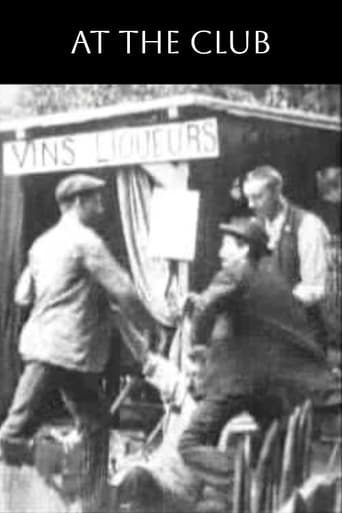
At the Club
1899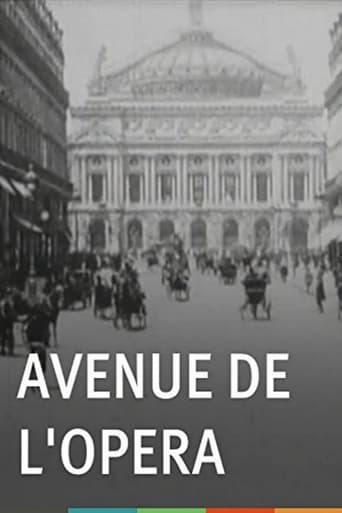
Avenue de l'Opéra
1900
Bathing in a Stream
1897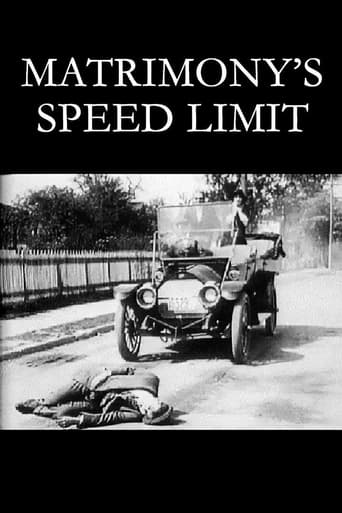
Matrimony's Speed Limit
1913
At the Hypnotist's
1898
Serpentine Dance by Mme. Bob Walter
1897
Making an American Citizen
1912
Disappearing Act
1898
The Fisherman at the Stream
1897
Surprise Attack on a House at Daybreak
1898
The Consequences of Feminism
1906
Falling Leaves
1912No Poster
The Fairy of Spring
1906
The Birth, the Life and the Death of Christ
1906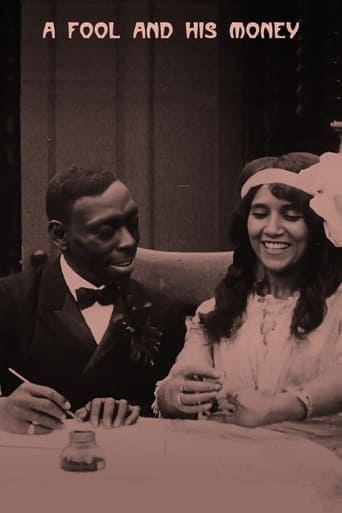
A Fool and His Money
1912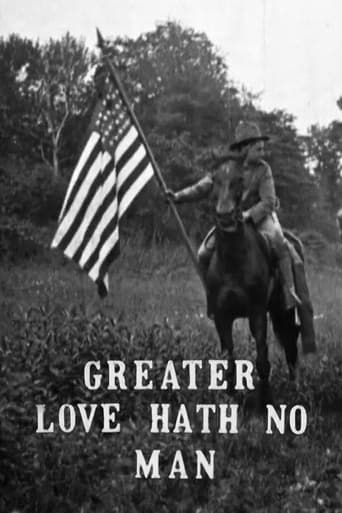
Greater Love Hath No Man
1911
The Empress
1917
A House Divided
1913
Ocean Studies
1906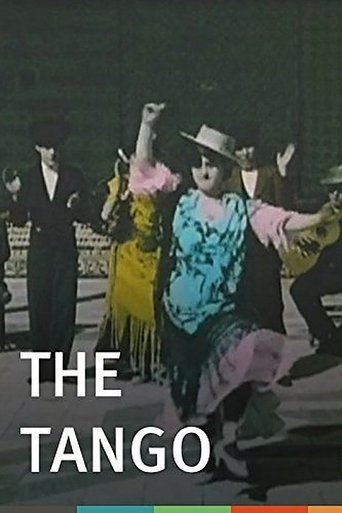
Tango
1905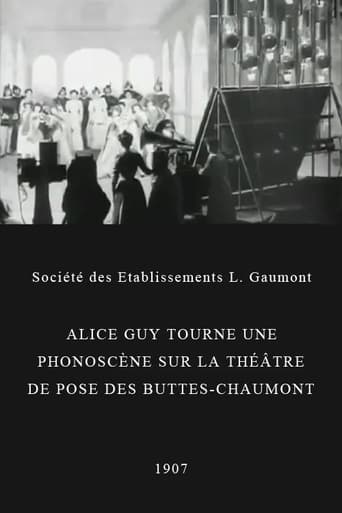
Alice Guy Films a 'Phonoscène' in the Studio at Buttes-Chaumont, Paris
1905
The Bricklayers
1905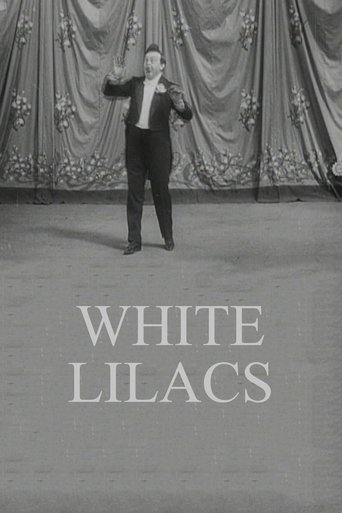
Félix Mayol Performs "White Lilacs"
1905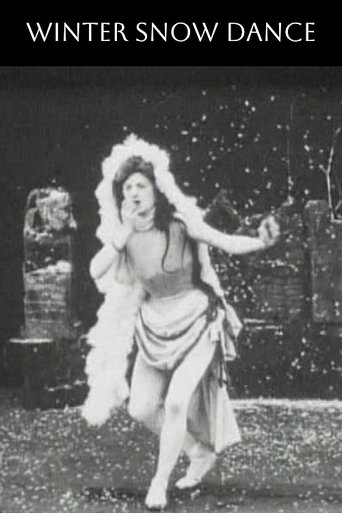
Dance of the Seasons: Winter, Snow Dance
1900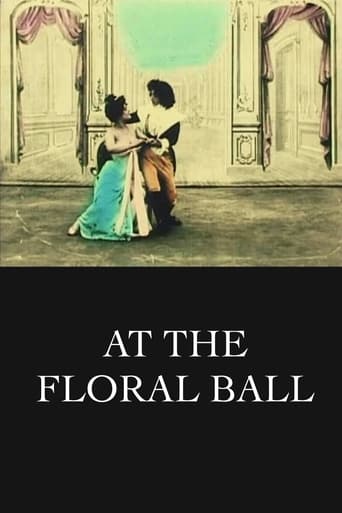
At the Floral Ball
1900
Automated Hat-Maker and Sausage-Grinder
1900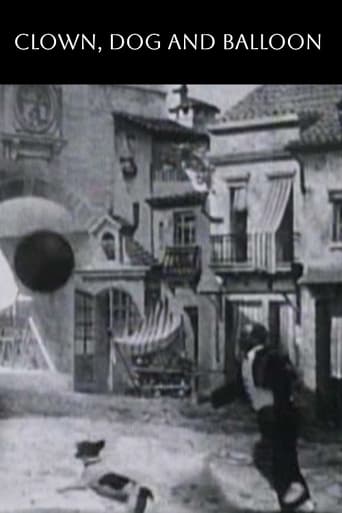
Clown, Dog and Balloon
1905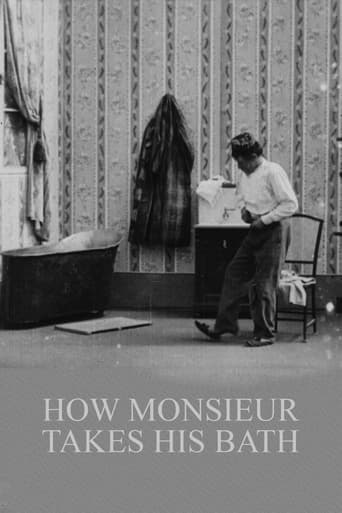
How Monsieur Takes His Bath
1903
The Race for the Sausage
1907
Pierrette's Escapades
1900
Canned Harmony
1912
Madame's Cravings
1907
Félix Mayol Performs "Indiscreet Questions"
1905
The Game-Keeper's Son
1906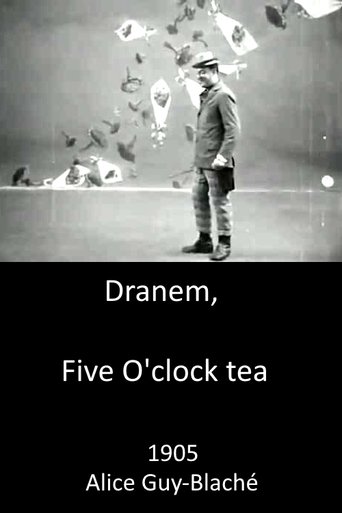
Dranem Performs "Five O'Clock Tea"
1905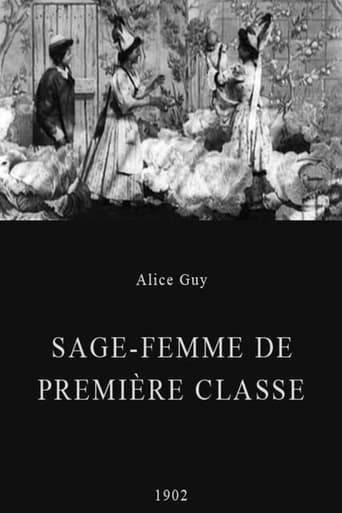
Midwife to the Upper Class
1902
Saharet Performs the Bolero
1905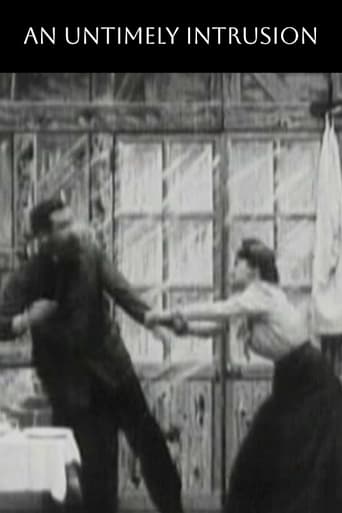
An Untimely Intrusion
1902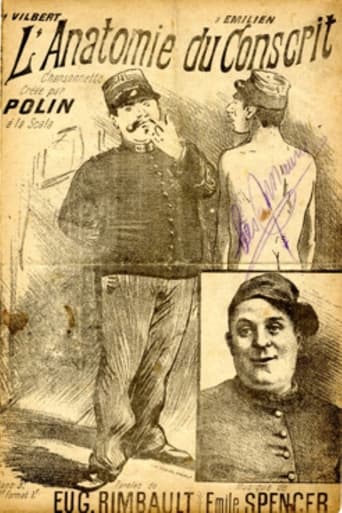
Polin Performs "The Anatomy of a Draftee"
1905
The Glue
1907
The Hierarchies of Love
1906
The Malagueña and the Bullfighter
1905
The Stepmother
1906
The Magician's Alms
1905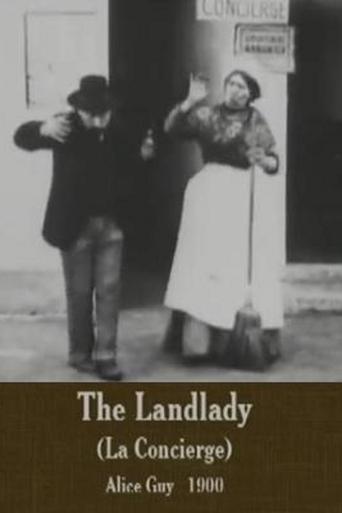
The Landlady
1900
An Obstacle Course
1906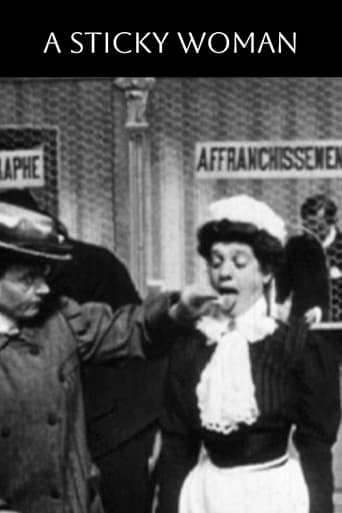
A Sticky Woman
1906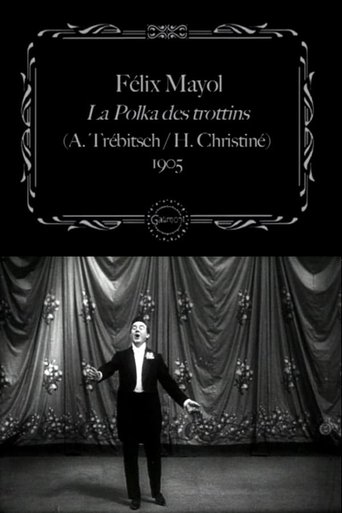
Félix Mayol Performs "The Trottins' Polka"
1905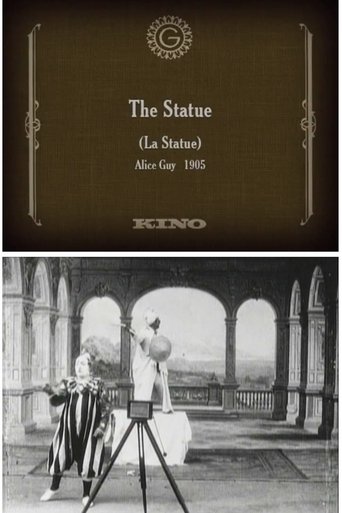
The Statue
1905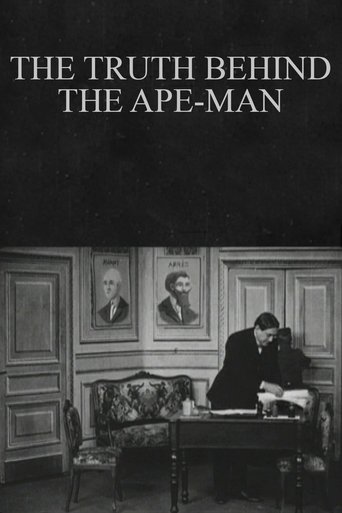
Man Monkey
1906
The Dirigible 'Homeland'
1907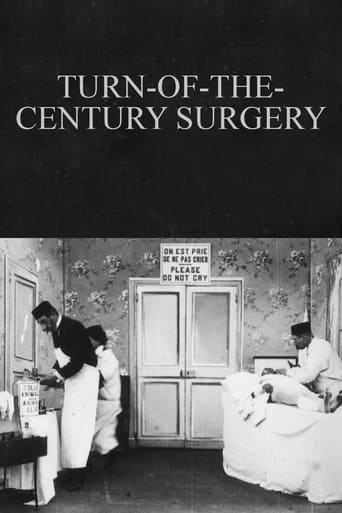
Turn-of-the-Century Surgery
1900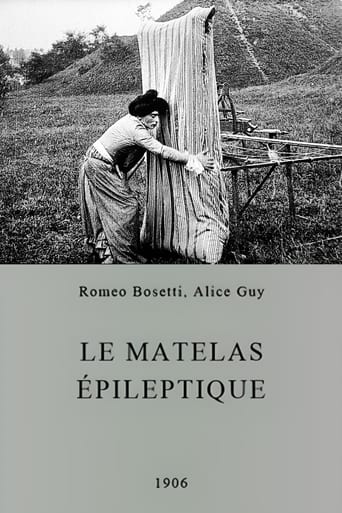
The Drunken Mattress
1906
Miss Dundee and Her Performing Dogs
1902
Faust and Mephistopheles
1903
At the Photographer's
1900
Dranem Performs The True Jiu-Jitsu
1905About Alice Guy-Blaché
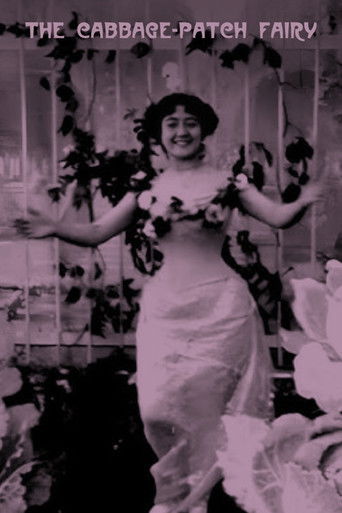
French filmmaker who is recognized as the first female director in cinema history and possibly the creator of the first narrative fiction film. Born in 1873, she began her career as a secretary at Gaumont Film Company in 1894, where she quickly became fascinated with the new medium of motion pictures. In 1896, she directed 'The Cabbage-Patch Fairy,' which is considered one of the first narrative films with a fictional storyline. She rose to become head of production at Gaumont, directing hundreds of films and techniques including synchronized sound (phonoscènes), color tinting, and special effects. In 1907, she moved to the United States with her husband Herbert Blaché and founded Solax Studios in Fort Lee, New Jersey, becoming the first woman to own and operate a film studio. She continued directing and producing films until 1920, creating over 1,000 films in her career, though only about 350 survive today. Her contributions were largely forgotten for decades until feminist film historians rediscovered her work in the late 20th century, restoring her rightful place as one of cinema's most important early innovators.
The Craft
On Screen
Alice Guy-Blaché occasionally appeared in her own films, including her debut 'The Cabbage-Patch Fairy' where she played the title role. Her acting style was typical of the early silent era, featuring exaggerated gestures and expressions to convey emotion and narrative clearly to audiences. As an actor, she understood the technical requirements of early film performance and often used herself to demonstrate techniques to other performers. Her brief acting appearances were primarily in the early stages of her career when she was experimenting with the medium's possibilities.
Behind the Camera
Alice Guy-Blaché's directing style was innovative and versatile, spanning numerous genres including comedy, drama, fantasy, and social commentary. She was known for her technical experimentation, techniques like double exposure, hand-tinted color, and synchronized sound recordings. Her films often featured strong female protagonists and explored themes of gender roles, class dynamics, and social issues. She utilized location shooting, naturalistic performances, and sophisticated narrative structures that were ahead of their time. Her approach to filmmaking was both artistic and commercial, understanding the need to entertain while pushing the boundaries of what cinema could achieve as an art form.
Milestones
- First female film director in history
- Possibly created the first narrative fiction film (1896)
- Head of production at Gaumont Film Company (1897-1907)
- Founded Solax Studios in the United States (1910)
- Directed over 1,000 films in her career
- Pioneered synchronized sound films (phonoscènes)
- Experimented with color tinting and special effects
- First woman to own and operate a film studio
Best Known For
Iconic Roles
Must-See Films
Accolades
Won
- Directors Guild of America Lifetime Achievement Award (posthumous, 2011)
- Women Film Critics Circle Lifetime Achievement Award (posthumous)
- New York Women in Film & Television Muse Award (posthumous)
Nominated
- National Film Registry selection for 'A Fool and His Money' (2012)
- National Film Registry selection for 'The Cabbage-Patch Fairy' (2022)
Special Recognition
- Pioneer Award from the International Documentary Association
- Inducted into the New Jersey Hall of Fame
- Google Doodle celebration on her 137th birthday (2010)
- French Legion of Honor (posthumous)
- Solax Studios historical marker in Fort Lee, New Jersey
Working Relationships
Worked Often With
Studios
Why They Matter
Impact on Culture
Alice Guy-Blaché fundamentally shaped the development of narrative cinema during its formative years. As the first female director and one of the earliest filmmakers to create fictional narratives, she established many conventions that would become standard in filmmaking. Her work demonstrated that cinema could be a medium for storytelling beyond mere documentary or novelty, paving the way for the film industry's evolution. She challenged gender norms by succeeding in a male-dominated field and often centered female perspectives in her films. Her technical innovations, particularly in synchronized sound and color processes, contributed to cinema's artistic development. Her rediscovery by feminist scholars has helped rewrite film history to include women's crucial contributions and has inspired contemporary female filmmakers.
Lasting Legacy
Alice Guy-Blaché's legacy represents one of cinema's most remarkable stories of innovation, perseverance, and eventual recognition. After decades of being nearly erased from film history, she is now celebrated as a foundational figure who helped establish cinema as an art form. Her extensive filmography, though partially lost, provides invaluable insight into early cinematic techniques and storytelling approaches. The restoration and preservation of her surviving films continue to reveal new dimensions of her artistic vision. Her life story has become an inspiration for women in film and proof of the importance of preserving film history. Institutions like the Whitney Museum of American Art and the Cinémathèque Française have held retrospectives of her work, while documentaries and books continue to bring her contributions to wider audiences.
Who They Inspired
Alice Guy-Blaché influenced generations of filmmakers through her techniques and storytelling innovations. Her early experiments with synchronized sound anticipated the eventual transition to talkies, while her use of color tinting and special effects expanded cinema's visual vocabulary. Her narrative structures and character development techniques influenced the evolution of cinematic storytelling. Female directors throughout film history, from Dorothy Arzner to Agnès Varda to contemporary filmmakers, have cited her as an inspiration. Her business model at Solax Studios demonstrated that women could successfully lead film production companies, paving the way for future female entrepreneurs in the industry. Her focus on social themes and strong female characters helped establish cinema as a medium for exploring complex social issues.
Off Screen
Alice Guy married Herbert Blaché in 1907, a British cinematographer and director with whom she had two daughters, Simone and Regina. The family moved to the United States in 1907 where they established Solax Studios. Her marriage eventually ended in divorce in 1922, partly due to financial pressures and professional tensions. After her film career ended, she returned to France with her daughters in 1922, then moved back to the United States in 1927, settling in New Jersey. She spent her later years in relative obscurity, struggling financially while attempting to document her contributions to cinema. She died in Wayne, New Jersey at the age of 94.
Education
Educated at the Convent of the Sacred Heart in Suresnes, France; later studied stenography and typing at a secretarial school in Paris
Family
- Herbert Blaché (1907-1922)
Did You Know?
- Directed over 1,000 films but only about 350 survive today
- Possibly made the first narrative fiction film in history
- Was the first woman to own and operate a film studio
- Her film 'A Fool and His Money' (1912) is believed to be the first all-African American cast film
- Created synchronized sound films (phonoscènes) as early as 1900
- Her studio Solax had the motto 'Be Natural' to encourage realistic acting
- Was nearly erased from film history for decades until feminist scholars rediscovered her work
- Her film 'The Cabbage-Patch Fairy' was remade by Georges Méliès
- Directed films in both France and the United States
- Her grandson donated many of her films and documents to the French Film Archive
In Their Own Words
There is nothing connected with the staging of a motion picture that a woman cannot do as easily as a man.
Be natural. I mean natural on the screen. I don't mean natural in life.
The cinema is a powerful medium for education and moral improvement.
I believe that the future of the motion picture lies in its ability to tell stories that touch the human heart.
When I make a picture, I try to make it as perfect as possible in every detail.
Frequently Asked Questions
Who was Alice Guy-Blaché?
French filmmaker recognized as the first female on YTB.my. She directed over 1,000 films and founded Solax Studios, becoming the first woman to own and operate a film studio. Her contributions to early cinema were largely forgotten until feminist film historians rediscovered her work in the late 20th century.
What films is Alice Guy-Blaché best known for?
Titles linked here include The Cabbage-Patch Fairy (1896), The Birth, the Life and the Death of Christ (1906).
When was Alice Guy-Blaché born and when did she die?
Born July 1, 1873; died March 24, 1968.
What awards did Alice Guy-Blaché win?
Most of her recognition came posthumously, including the Directors Guild of America Lifetime Achievement Award (2011), the Women Film Critics Circle Lifetime Achievement Award, and induction into the New Jersey Hall of Fame. Several of her films have been selected for preservation in the National Film Registry. She also received the French Legion of Honor posthumously.
What was Alice Guy-Blaché's directing style?
Her directing style was innovative and versatile, spanning multiple genres and techniques like synchronized sound, color tinting, and special effects. She often featured strong female protagonists and explored social themes. Her approach combined artistic experimentation with commercial appeal, using naturalistic performances and sophisticated narrative structures that were ahead of their time.
How many films did Alice Guy-Blaché direct?
Alice Guy-Blaché directed over 1,000 films during her career from 1896 to 1920, though only about 350 survive today. Her filmography includes short films, features, documentaries, and experimental works across numerous genres, making her.
Why was Alice Guy-Blaché forgotten for so long?
She was largely forgotten due to a combination of gender discrimination in the film industry, the loss of many of her films, and historical records that attributed her work to male colleagues. Additionally, the male-dominated nature of film history writing meant her contributions were minimized or omitted entirely until feminist film historians began rediscovering and restoring her legacy in the late 20th century.