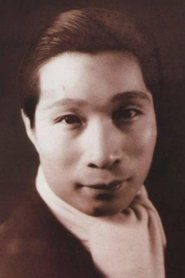
Xingzhi Xu
Director
Born: 1904 in Anhui Province, China Died: 1991 Active: 1930s-1990s (Film directing primarily 1935) Birth Name: Xu Xingzhi (许幸之)
Films
1 film
About Xingzhi Xu
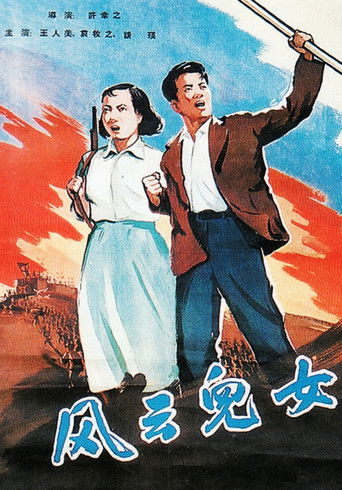
Xu Xingzhi (许幸之) was a Chinese film director, painter, writer, and educator who made significant contributions to both Chinese cinema and fine arts during the 1930s. Born in 1904 in Anhui Province, he studied art in Japan during the 1920s, where he was exposed to modern artistic movements and became involved in left-wing cultural circles. Upon returning to China, he emerged as an important figure in the progressive cultural movement, using his artistic talents to address social and political issues of his time. His most famous work as a director was 'Children of Troubled Times' (1935), a film that became historically significant for featuring 'March of the Volunteers,' which later became China's national anthem. After the establishment of the People's Republic of China in 1949, Xu shifted his focus primarily to painting and art education, becoming a respected professor at the Central Academy of Fine Arts. Throughout his career, he remained committed to using art as a medium for social commentary and national expression. He continued creating art and teaching until his death in 1991, leaving behind a rich legacy that bridges Chinese cinema and visual arts.
The Craft
Behind the Camera
Xu Xingzhi's directing style was characterized by strong social consciousness and patriotic themes, reflecting his involvement in China's left-wing cultural movement. His approach emphasized realistic portrayals of social issues and national struggles, using cinema as a medium for political expression and social commentary. In 'Children of Troubled Times,' he employed a narrative style that balanced personal stories with broader national concerns, creating a film that was both artistically significant and politically relevant. His visual sensibility as a painter influenced his cinematic compositions, resulting in carefully framed shots that conveyed both emotional depth and social meaning.
Milestones
- Directed 'Children of Troubled Times' (1935)
- Studied art in Japan in the 1920s
- Became professor at Central Academy of Fine Arts
- Member of China Film Association
- Pioneer in Chinese left-wing cultural movement
- Contributed to both cinema and visual arts
Best Known For
Must-See Films
Accolades
Special Recognition
- Recognition as pioneer of Chinese cinema
- Honored as contributor to China's national anthem through film
- Respected position in Chinese art education
Working Relationships
Worked Often With
Studios
Why They Matter
Impact on Culture
Xu Xingzhi's most significant cultural impact comes through his direction of 'Children of Troubled Times,' which featured 'March of the Volunteers' - the song that would become China's national anthem in 1949. This single cinematic contribution ensured his place in Chinese cultural history, as the film served as a vehicle for what would become the most important patriotic song in modern China. His work exemplified the role of cinema in the Chinese resistance against Japanese invasion and the broader movement for national salvation. As both a filmmaker and painter, he represented the integration of different art forms in service of national and social causes. His involvement in the left-wing cultural movement helped establish a tradition of politically engaged art in China that would influence generations of artists and filmmakers.
Lasting Legacy
Xu Xingzhi's legacy is twofold: as the director of the film that introduced China's future national anthem, and as a bridge between Chinese cinema and visual arts. His work on 'Children of Troubled Times' ensures his permanent place in Chinese cultural history, as the film continues to be studied for its historical significance and artistic merit. Beyond this single famous work, his career as an art educator influenced countless Chinese artists, helping to shape modern Chinese art education. His ability to work across different artistic mediums - film, painting, and writing - demonstrated the interconnectedness of the arts in China's cultural development. His life story also serves as an example of how Chinese intellectuals and artists navigated the dramatic political and social changes of the 20th century.
Who They Inspired
Xu Xingzhi influenced Chinese cinema primarily through his work in socially conscious filmmaking during the 1930s. His integration of patriotic themes with artistic expression set a precedent for politically engaged cinema in China. As an educator at the Central Academy of Fine Arts, he directly influenced generations of Chinese artists, passing on both technical skills and a commitment to using art for social purposes. His multidisciplinary approach - working in both film and painting - inspired later Chinese artists to explore different media. The historical significance of his most famous film continues to influence how Chinese cinema is understood in relation to national identity and political history.
Off Screen
Xu Xingzhi lived through. His artistic career was deeply intertwined with the political and social changes of his time. As a member of the intellectual and artistic community, he was actively involved in the left-wing cultural movement that sought to use art for social change and national salvation. After 1949, he adapted to the new cultural policies of communist China while maintaining his artistic integrity. His later years were devoted to teaching and painting, during which he helped shape several generations of Chinese artists.
Education
Studied art in Japan during the 1920s, where he was exposed to Western artistic techniques and modern art movements
Family
- Information not widely documented
Did You Know?
- The song 'March of the Volunteers' from his film 'Children of Troubled Times' became China's national anthem in 1949
- He was active in China's left-wing cultural movement during the 1930s
- Studied art in Japan, bringing Western artistic techniques back to China
- His film was made during the period of Japanese aggression against China
- He was both a filmmaker and a respected painter
- After 1949, he focused more on teaching than filmmaking
- His real name is Xu Xingzhi, following Chinese naming conventions with family name first
- He lived through the entire transformation of modern China from the Republican era to the Reform era
- The film's title 'Children of Troubled Times' reflected the turbulent period of 1930s China
- He was part of a generation of Chinese artists who used their work for national salvation
In Their Own Words
Information about specific quotes not widely documented in available sources
Frequently Asked Questions
Who was Xu Xingzhi?
Xu Xingzhi was a Chinese film director, painter, writer, and educator best known for directing 'Children of Troubled Times' (1935), the film that featured China's future national anthem. He was an important figure in China's left-wing cultural movement of the 1930s and later became a respected art educator.
What films is Xu Xingzhi best known for?
Titles linked here include Children of Troubled Times (1935).
When was Xu Xingzhi born and when did he die?
Born 1904; died 1991.
What awards did Xu Xingzhi win?
While specific awards are not extensively documented, Xu Xingzhi received recognition as a pioneer of Chinese cinema and was honored for his contribution to China's national anthem through his film work. His greatest honor was the historical significance of his film introducing China's national anthem.
What was Xu Xingzhi's directing style?
Xu Xingzhi's directing style was characterized by strong social consciousness and patriotic themes, reflecting his involvement in China's left-wing cultural movement. He emphasized realistic portrayals of social issues and used cinema as a medium for political expression and national identity.
Why is 'Children of Troubled Times' historically significant?
'Children of Troubled Times' is historically significant because it featured 'March of the Volunteers,' which became China's national anthem in 1949. The film was also important for its patriotic themes during the period of Japanese aggression against China.
What was Xu Xingzhi's role in Chinese art education?
After 1949, Xu Xingzhi became a professor at the Central Academy of Fine Arts, where he influenced generations of Chinese artists. He helped shape modern Chinese art education while continuing his own work as a painter.