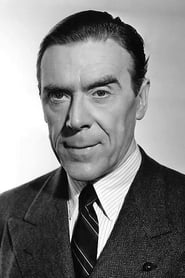
Leo G. Carroll
Actor
Born: October 25, 1886 in Weedon, Northamptonshire, England Died: October 16, 1972 Active: 1912-1972 Birth Name: Leo Grattan Carroll
Films
2 films
About Leo G. Carroll
Leo Grattan Carroll — British character actor who became one of Hollywood's most recognizable supporting players during the Golden Age of cinema. After beginning his career on the London stage, Carroll transitioned to films in the 1930s and quickly established himself as the quintessential authority figure, often playing doctors, professors, government officials, and aristocrats. He developed a particularly fruitful collaboration with director Alfred Hitchcock, appearing in six of the master's films including 'Rebecca' (1940), 'Suspicion' (1941), 'Spellbound' (1945), and 'Strangers on a Train' (1951). Carroll's career flourished through the 1940s and 1950s, where his dignified bearing and crisp British accent made him a sought-after character actor in major Hollywood productions. In his later years, he successfully transitioned to television, achieving widespread recognition as Alexander Waverly in 'The Man from U.N.C.L.E.' (1964-1968). His performances were marked by an understated elegance and intellectual gravitas that elevated even the smallest roles. Carroll's six-decade from silent films to television, making him enduring character actors of his generation.
The Craft
On Screen
Carroll was renowned for his dignified, authoritative presence and crisp, precise delivery. He specialized in playing intellectuals, aristocrats, and figures of authority with an understated elegance that commanded respect. His acting style was characterized by minimal gestures, impeccable timing, and the ability to convey complex emotions through subtle facial expressions and vocal inflections. He brought a distinctly British reserve and intellectual gravitas to his roles, making him the perfect choice for playing professors, doctors, government officials, and other authority figures.
Milestones
- Stage debut in London (1912)
- Film debut in 'Sally in Our Alley' (1931)
- First collaboration with Hitchcock in 'Rebecca' (1940)
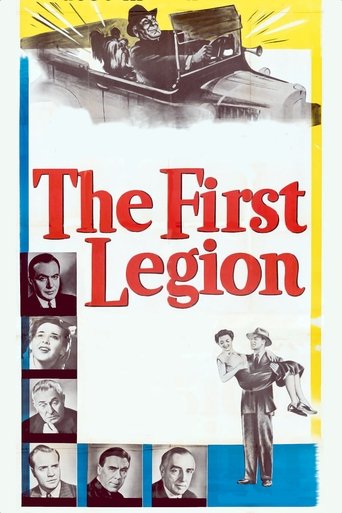
- Starred in 'The First Legion' (1951)
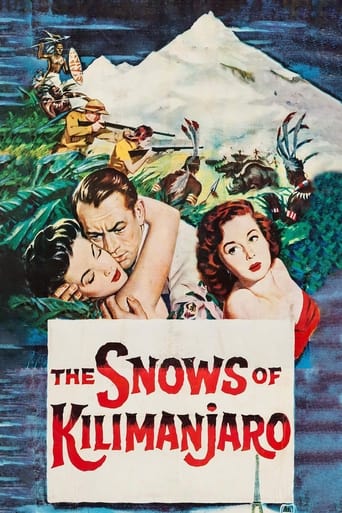
- Appeared in 'The Snows of Kilimanjaro' (1952)
- TV breakthrough as Alexander Waverly in 'The Man from U.N.C.L.E.' (1964-1968)
- Final film appearance in 'The Great Race' (1965)
Best Known For
Iconic Roles
Must-See Films
Accolades
Won
- Hollywood Walk of Fame Star (1960)
Nominated
- Primetime Emmy Award for Outstanding Supporting Actor in a Drama Series (1966)
Special Recognition
- Star on the Hollywood Walk of Fame at 6350 Hollywood Boulevard
Working Relationships
Worked Often With
Studios
Why They Matter
Impact on Culture
Leo G. Carroll left an indelible mark on classic cinema as the archetype of the British authority figure in Hollywood films. His distinctive presence helped establish the trope of the dignified, intellectual British character that would become a staple in American cinema. Through his numerous collaborations with Alfred Hitchcock, Carroll contributed to some of the most influential films in cinema history, helping define the psychological thriller genre. His transition to television success with 'The Man from U.N.C.L.E.' demonstrated his adaptability and enduring appeal across different media. Carroll's active years covered the transition from silent films to modern television, making him a bridge between different eras of entertainment. His dignified portrayal of authority figures influenced generations of actors who would follow in his footsteps.
Lasting Legacy
Leo G. Carroll's legacy endures through his extensive body of work in classic Hollywood cinema and television. He is remembered as. His collaborations with Alfred Hitchcock remain particularly celebrated, with film scholars often noting his contributions to the master's suspense narratives. The character of Alexander Waverly in 'The Man from U.N.C.L.E.' became one of television's most memorable authority figures, introducing Carroll to a new generation of viewers. His ability to portray intelligence and authority with authenticity and subtlety set a standard for character acting that continues to influence performers today.
Who They Inspired
Carroll influenced countless character actors through his mastery of the supporting role and his ability to make every character memorable regardless of screen time. His work with Hitchcock helped establish the importance of casting distinctive character actors in psychological thrillers. Younger British actors coming to Hollywood often looked to Carroll as a model for how to maintain their cultural identity while succeeding in American cinema. His television success paved the way for other film actors to transition successfully to the small screen. The archetype of the dignified British authority figure that he perfected continues to be referenced and homaged in contemporary film and television.
Off Screen
Leo G. Carroll was known for his private and reserved personal life, rarely discussing his off-screen affairs in public. He married Edith Lorraine Vuyk in 1924, and their marriage lasted until her death in 1968. The couple had no children, and Carroll was known to be completely devoted to his wife throughout their 44 years together. After moving to Hollywood, he maintained a relatively quiet lifestyle, focusing on his craft and avoiding the typical Hollywood social scene. In his later years, he suffered from declining health but continued working until his retirement.
Education
Educated in England, trained at the Royal Academy of Dramatic Art (RADA) in London
Family
- Edith Lorraine Vuyk (1924-1968)
Did You Know?
- Appeared in six Alfred Hitchcock films, more than any other actor
- — classically trained Shakespearean actor before entering films
- His distinctive voice made him a popular choice for radio dramas
- Despite playing authority figures, he never served in the military
- Was nearly 80 years old when 'The Man from U.N.C.L.E.' ended its run
- His death came just nine days before his 86th birthday
- Was a founding member of the Hollywood Cricket Club
- Often played characters much older than his actual age
- Was fluent in French and German
- His final film appearance was without on-screen billing in 'The Great Race' (1965)
- Maintained his British citizenship throughout his Hollywood career
- Was a skilled painter in his private time
In Their Own Words
In acting, as in life, dignity is the most important quality one can possess.
I never considered myself a star, merely a working actor who was fortunate enough to be employed consistently.
Playing authority figures came naturally to me - perhaps because I always believed in the importance of order and intelligence.
Working with Hitchcock was an actor's dream - he knew exactly what he wanted and trusted his actors to deliver it.
Television gave me a new lease on my career when I thought my best years were behind me.
Frequently Asked Questions
Who was Leo G. Carroll?
British character with credits in this catalog. He appeared in over 80 films and was particularly famous for his collaborations with director Alfred Hitchcock and his role as Alexander Waverly in 'The Man from U.N.C.L.E.'
What films is Leo G. Carroll best known for?
Titles linked here include Rebecca (1940), Suspicion (1941).
When was Leo G. Carroll born and when did he die?
Born October 25, 1886; died October 16, 1972.
What awards did Leo G. Carroll win?
Leo G. Carroll received a star on the Hollywood Walk of Fame in 1960 and was nominated for a Primetime Emmy Award for Outstanding Supporting Actor in a Drama Series in 1966 for his work on 'The Man from U.N.C.L.E.'
What was Leo G. Carroll's acting style?
Carroll was known for his dignified, authoritative presence with minimal gestures and precise delivery. He specialized in playing intellectuals and authority figures with understated elegance, using subtle facial expressions and vocal inflections to convey complex emotions.
How many Alfred Hitchcock films did Leo G. Carroll appear in?
Leo G. Carroll appeared in six Alfred Hitchcock films, more than any other actor: 'Rebecca' (1940), 'Suspicion' (1941), 'Spellbound' (1945), 'The Paradine Case' (1947), 'Strangers on a Train' (1951), and 'North by Northwest' (1959).
What was Leo G. Carroll's most famous television role?
His most famous television role was Alexander Waverly, the head of U.N.C.L.E., in the spy series 'The Man from U.N.C.L.E.' (1964-1968), which brought him renewed fame in his later years.
Did Leo G. Carroll have any children?
No, Leo G. Carroll and his wife Edith Lorraine Vuyk, to whom he was married for 44 years until her death in 1968, had no children.