Films
1 film
About Feng Wang
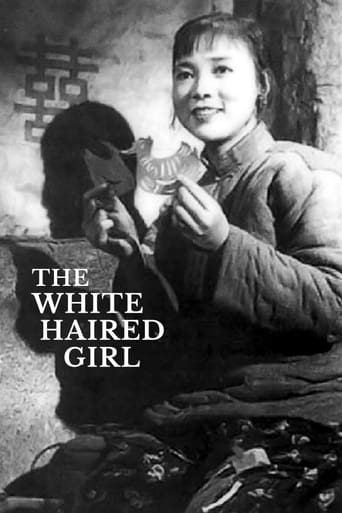
Feng Wang performed in landmark 1951 film 'The White-Haired Girl,' productions in early People's Republic of China cinema. The film was an adaptation of a revolutionary opera that had become enormously popular during the 1940s and was considered a masterpiece of socialist realist art. Wang's role in this film, while not the lead, contributed to the powerful ensemble that brought this politically significant story to life. The film itself was instrumental in establishing the aesthetic and ideological foundations of New China cinema, blending traditional Chinese art forms with revolutionary themes. Unfortunately, detailed biographical information about Wang's career beyond this single film remains scarce, as was common for many supporting actors of this era in Chinese cinema. The film's success and cultural impact ensured that even minor performances would be remembered as part of this important cinematic milestone.
The Craft
Milestones
- Appeared in the landmark film 'The White-Haired Girl' (1951)
Best Known For
Iconic Roles
Must-See Films
Working Relationships
Worked Often With
Studios
Why They Matter
Impact on Culture
Feng Wang contributed to 'The White-Haired Girl,' which became. The film was instrumental in establishing the visual and narrative language of socialist realist cinema in China, blending revolutionary themes with traditional Chinese artistic elements. The film's massive cultural impact extended beyond cinema into theater, opera, and popular culture, making it a cornerstone of revolutionary art in China. Even as a supporting actor, Wang was part of this landmark production that helped define Chinese cinema's ideological direction for decades.
Lasting Legacy
While individual details about Feng Wang's career are limited, their participation in 'The White-Haired Girl' ensures their place in the history of Chinese cinema. The film remains a significant cultural artifact studied by film scholars and historians interested in the development of Chinese cinema and the intersection of art and politics in mid-20th century China. The film's preservation and continued study mean that Wang's contribution, however small, is documented as part of this important cinematic achievement.
Who They Inspired
As a supporting actor in a landmark film, Feng Wang's direct influence on other performers is difficult to trace. However, the film itself influenced generations of Chinese filmmakers and actors in terms of performance style, particularly in the context of socialist realist cinema. The ensemble approach to revolutionary storytelling that Wang participated in became a model for subsequent Chinese films dealing with similar themes.
Off Screen
Very little personal information is available about Feng Wang, which was common for many supporting actors in early Chinese cinema. Historical records from this period often focused primarily on directors and lead actors, with supporting cast members receiving less documentation.
Did You Know?
- 'The White-Haired Girl' was based on a revolutionary opera that premiered in Yan'an in 1945
- The film was one of the first major productions of the new Beijing Film Studio after the founding of the People's Republic of China
- The story of 'The White-Haired Girl' became one of the Eight Model Operas during the Cultural Revolution
- The film's theme of class struggle and resistance to oppression made it extremely popular with Chinese audiences
- The original opera version was said to have been performed over 1,000 times before being adapted to film
- The film won awards at international film festivals, helping establish Chinese cinema on the world stage
Frequently Asked Questions
Who was Feng Wang?
Chinese with credits in this catalog. While detailed biographical information is limited, Wang contributed to this landmark film that helped establish the foundations of socialist realist cinema in China.
What films is Feng Wang best known for?
Titles linked here include The White-Haired Girl (1951).
When was Feng Wang born and when did they die?
Specific birth and death dates for Feng Wang are not available in historical records, which was common for many supporting actors in early Chinese cinema. The actor was active during the early 1950s in the People's Republic of China.
What awards did Feng Wang win?
There are no documented individual awards for Feng Wang. However, the film 'The White-Haired Girl' received recognition at international film festivals and is considered.
What was Feng Wang's acting style?
Specific details about Feng Wang's acting style are not documented. However, actors in 'The White-Haired Girl' generally employed techniques characteristic of socialist realist cinema, emphasizing clear emotional expression and ideological clarity in their performances.