Films
1 film
About Belarani Devi
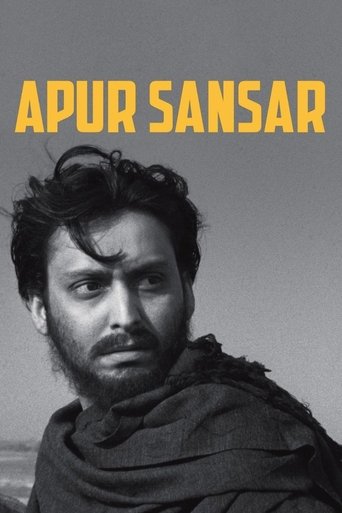
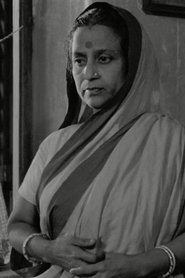
Belarani Devi worked on Bengali cinema during the late 1950s. She is primarily known for her role in Satyajit Ray's acclaimed film 'Apur Sansar' (The World of Apu) in 1959, which was the final installment of the famous Apu Trilogy. As a character actress, she represented the tradition of supporting performers who brought authenticity to rural and domestic settings in Indian parallel cinema. Her appearance in Ray's masterpiece, though brief, contributed to the film's realistic portrayal of Bengali society. Like many character actors of her era, she worked primarily in the Bengali film industry and was part of the ecosystem that enabled the creation of India's most celebrated art films. Her career appears to have been concentrated in the late 1950s, with 'Apur Sansar' being her most documented and significant contribution to cinema.
The Craft
On Screen
Naturalistic and authentic, typical of the acting style promoted in Satyajit Ray's films, focusing on realistic portrayal of everyday characters in Bengali society
Milestones
- Appeared in Satyajit Ray's 'Apur Sansar' (1959)
- Part of the cast of the final film in the Apu Trilogy
- Contributed to Bengali parallel cinema movement
Best Known For
Iconic Roles
Must-See Films
Working Relationships
Worked Often With
Why They Matter
Impact on Culture
Belarani Devi's contribution to cinema, though limited in scope, is part of the broader cultural impact of Satyajit Ray's Apu Trilogy, which revolutionized Indian cinema and brought international recognition to Indian films. As a supporting actress in 'Apur Sansar,' she participated in creating what many consider one of the greatest film trilogies ever made. The film's realistic portrayal of Bengali life, achieved through authentic performances by actors like Devi, helped establish parallel cinema as a significant artistic movement in India. Her work represents the countless unsung character actors who provided the foundation for India's art cinema renaissance.
Lasting Legacy
Belarani Devi's legacy is intrinsically tied to her participation in 'Apur Sansar,' a film that continues to be studied and celebrated worldwide. While she may not have achieved individual fame, her contribution to this masterpiece ensures her place in cinema history. She represents the essential role of character actors in creating the immersive, authentic worlds that great films require. The Apu Trilogy's enduring influence on global cinema means that even minor performances like hers continue to be appreciated by new generations of film enthusiasts and scholars.
Who They Inspired
As a character actress in a landmark film, Belarani Devi's influence lies in her contribution to the authentic storytelling tradition that Satyajit Ray established. Her naturalistic acting style, typical of the non-professional and semi-professional actors Ray often cast, helped demonstrate that powerful cinema could be created without theatrical performances. This approach influenced generations of Indian filmmakers who sought realism in their work, particularly in the parallel cinema movement that followed Ray's efforts.
Off Screen
Very limited information is available about Belarani Devi's personal life, which was common for character actors of her era in Indian cinema. Like many supporting performers in the Bengali film industry of the 1950s, details about her family background, personal relationships, and life outside of cinema were not extensively documented in film archives or popular media.
Did You Know?
- Appeared in the final installment of Satyajit Ray's celebrated Apu Trilogy
- 'Apur Sansar' was her only documented film appearance
- The film was selected as India's official entry for the Academy Awards
- Her role, like many in Ray's films, contributed to the authentic portrayal of Bengali rural life
- The Apu Trilogy is now preserved in the National Film Registry by the Library of Congress
- Despite limited screen time, her performance is part of one of cinema's most acclaimed trilogies
- The film was shot in black and white, typical of Ray's early works
- Many supporting actors in Ray's films were local residents rather than professional actors
Frequently Asked Questions
Who was Belarani Devi?
Screen credits include Bengali cinema, best known for her role in Satyajit Ray's 1959 film 'Apur Sansar' (The World of Apu), which was the final part of the acclaimed Apu Trilogy.
What films is Belarani Devi best known for?
Titles linked here include Apur Sansar (1959).
When was Belarani Devi born and when did she die?
Specific birth and death dates for Belarani Devi are not documented in available film archives, which was common for character actors of her era in Indian cinema.
What awards did Belarani Devi win?
There are no documented awards or nominations specifically for Belarani Devi's performances, as she was a character actress in an era when such recognition was typically reserved for lead actors.
What was Belarani Devi's acting style?
Her acting style was naturalistic and authentic, characteristic of the performances Satyajit Ray sought for his films, focusing on realistic portrayals of everyday people in Bengali society rather than theatrical performances.