Topsy
Actor
Born: circa 1875 in Southeast Asia Died: January 4, 1903 Active: circa 1885-1903
Films
1 film
About Topsy
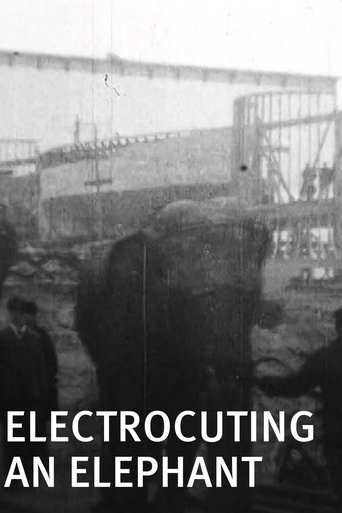
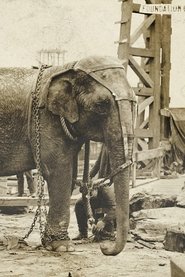
Female Asian elephant who became infamous as the subject of the 1903 film 'Electrocuting an Elephant.' She was originally part of the Forepaugh Circus where she performed for audiences across America. After developing a reputation as dangerous following several incidents, including killing a spectator, she was sold to Coney Island's Sea Lion Park. When the park was redeveloped into Luna Park, her owners decided to dispose of her. On January 4, 1903, Topsy was publicly electrocuted in a highly publicized event that was filmed by the Edison Manufacturing Company. The film became one of the earliest examples of documentary cinema showing animal cruelty and remains a controversial piece of early film history.
The Craft
On Screen
Trained circus performer capable of following commands and entertaining crowds
Milestones
- Performer with Forepaugh Circus
- Main attraction at Coney Island amusement parks
- Subject of one of the earliest documentary films showing animal death
Best Known For
Iconic Roles
Must-See Films
Accolades
Special Recognition
- Memorialized in Coney Island history as a symbol of early 20th century entertainment ethics
Working Relationships
Worked Often With
Studios
Why They Matter
Impact on Culture
Topsy's death and its documentation became a pivotal moment in early cinema history, representing the intersection of emerging film technology and public spectacle. The film 'Electrocuting an Elephant' is studied today as an example of early documentary filmmaking and as evidence of the era's different attitudes toward animal welfare and entertainment. Her story has been referenced in numerous documentaries about early cinema and animal rights, serving as a powerful symbol of the changing relationship between humans and animals in entertainment.
Lasting Legacy
Topsy's legacy is complex and multifaceted. She is remembered both as a victim of early 20th century entertainment practices and as an unwilling participant in cinema history. Her death film remains. The story of Topsy has inspired books, documentaries, and artistic works that examine the darker aspects of American entertainment history.
Who They Inspired
Topsy's story has influenced modern perspectives on animal welfare in entertainment and has become a case study in film ethics courses. Her filmed death is often referenced when discussing the evolution of documentary filmmaking and the changing standards of what constitutes appropriate content for public consumption. The incident also played a role in the historical narrative of the 'War of Currents' between Edison and Westinghouse, as it was used to demonstrate the dangers of alternating current.
Off Screen
Topsy spent her early years in the wild before being captured and sold into the circus industry. She was transported to America and became part of the Forepaugh Circus, where she performed for many years. Throughout her captivity, she developed behavioral issues likely due to mistreatment and stress. Her final years were spent at Coney Island's amusement parks before her controversial death.
Education
Trained through circus methods for performance and public entertainment
Did You Know?
- Topsy was approximately 28 years old at the time of her death
- She was electrocuted using 6,600 volts of AC current
- The electrocution was filmed by the Edison Company and distributed as 'Electrocuting an Elephant'
- Her death was part of a publicity campaign to demonstrate the dangers of alternating current
- Before electrocution, she was fed carrots laced with cyanide, though this didn't kill her
- The film was one of the earliest examples of death captured on motion picture film
- Topsy had killed at least one spectator during her circus career
- Her skeleton was displayed in the American Museum of Natural History for many years
- The event took place before a crowd of about 1,500 spectators
- Thomas Edison was involved in promoting the electrocution as part of his campaign against AC current
Frequently Asked Questions
Who was Topsy?
Female Asian elephant who performed in circuses and amusement parks in the late 19th and early 20th centuries. She became infamous as the subject of the 1903 film 'Electrocuting an Elephant,' which documented her public execution at Coney Island's Luna Park.
What films is Topsy best known for?
Titles linked here include Electrocuting an Elephant (1903).
When was Topsy born and when did she die?
Born circa 1875; died January 4, 1903.
What awards did Topsy win?
Topsy did not receive any awards, as she was an animal performer rather than a human actor. However, her story has been memorialized in various historical accounts and documentaries about early cinema and animal welfare.
What was Topsy's performing style?
Topsy was trained as a circus elephant performer, capable of following commands and entertaining crowds through various tricks and performances. Her style was typical of trained circus animals of the era, though she developed behavioral issues likely due to the stress of captivity.
Why was Topsy electrocuted?
Topsy was electrocuted after being deemed dangerous following several incidents, including killing a spectator. Her owners at Coney Island decided to dispose of her, and the event was turned into a public spectacle that also served Thomas Edison's campaign against alternating current electricity.
How did Topsy impact early cinema?
Topsy's filmed death represents one of the earliest examples of documentary cinema capturing real events, including death. The film 'Electrocuting an Elephant' is studied today as a milestone in early filmmaking, though it's also cited as an example of the ethical questions surrounding early documentary practices.