Films
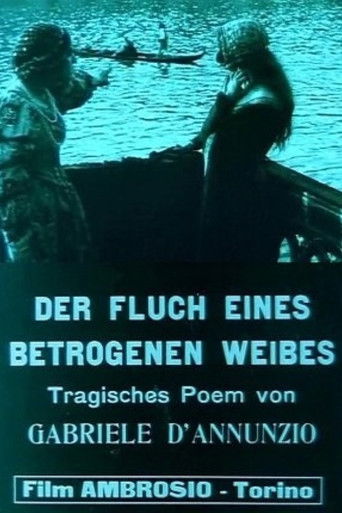
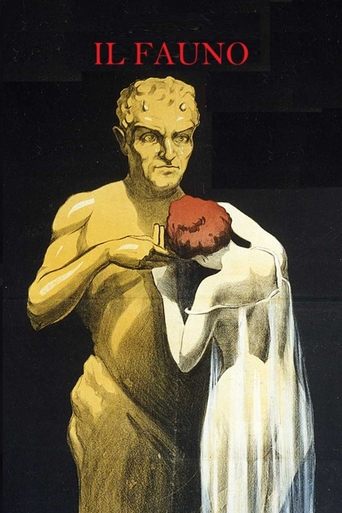
2 films
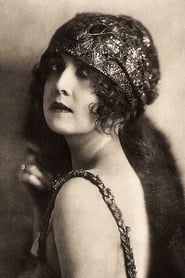
About Helena Makowska
Polish actress who emerged during the early years of European cinema, making her mark in the silent film era of the 1910s. She began her film career in 1911 with 'A Blind Retribution,' demonstrating her dramatic capabilities during the foundational period of narrative cinema. Her performance in 'The Faun' in 1917 showcased her versatility as an actress capable of embodying complex characters in the emerging art form of cinema. Makowska was part of the generation of actors who transitioned from theatrical traditions to the new medium of film, helping establish acting techniques specific to silent cinema. Her career, though relatively brief, coincided with a crucial period when European cinema was developing its own distinct identity separate from American productions. Helena Makowska worked during a time when Polish cinema was establishing itself, contributing to the cultural landscape of early 20th-century European film. Her filmography, while limited, represents the type of sophisticated dramatic productions that characterized European cinema of the period.
The Craft
On Screen
Makowska's acting style was characteristic of the transitional period between theatrical traditions and cinematic naturalism. She employed the exaggerated gestures and facial expressions typical of silent era performers, ensuring emotional clarity without dialogue. Her performances demonstrated the dramatic intensity required for the medium while beginning to incorporate more subtle, camera-aware techniques that would become standard in later cinema.
Milestones
- Film debut in 'A Blind Retribution' (1911)
- Starring role in 'The Faun' (1917)
- Contributed to early Polish cinema during its formative years
- Represented the transition from stage to screen acting in the silent era
Best Known For
Iconic Roles
Must-See Films
Accolades
Special Recognition
- Recognized as a pioneer of Polish cinema
- Remembered as one of the early Polish film actresses of the silent era
Working Relationships
Worked Often With
Studios
Why They Matter
Impact on Culture
Helena Makowska contributed to the foundational development of Polish cinema during its nascent years. As one of the early Polish film actresses, she helped establish the tradition of Polish dramatic cinema that would flourish in the following decades. Her work during the 1910s represents the cultural renaissance occurring in Poland as it moved toward independence, with cinema becoming an important medium for national expression. Though her filmography was brief, it exemplifies the sophisticated artistic ambitions of early European filmmakers who sought to create meaningful dramatic works rather than mere entertainment.
Lasting Legacy
Makowska's legacy lies in her role as a pioneer of Polish cinema during its formative decade. She represents the generation of actors who bridged theatrical traditions with the new art form of cinema, helping establish acting techniques specific to film. While her name may not be widely recognized today, her contribution to the early development of Polish film culture is historically significant. Her surviving films serve as important artifacts of early 20th-century European cinema, providing insight into the artistic aspirations and technical capabilities of the period.
Who They Inspired
As an early film actress, Makowska influenced subsequent generations of Polish actors by demonstrating how theatrical skills could be adapted for the camera. Her work helped establish the dramatic conventions that would become standard in Polish cinema throughout the silent era and into the sound period. Though direct documentation of her influence on specific later actors is limited, her contributions to early Polish cinema created a foundation upon which future Polish performers would build their careers.
Off Screen
Helena Makowska lived through a transformative period in European history, spanning the end of the 19th century through both World Wars. Her career in film coincided with significant political and cultural changes in Poland, which was regaining its independence during her active years. Details about her personal life remain limited, as was common for many early film actors whose private lives were not extensively documented in contemporary media.
Education
Likely received theatrical training typical of actors transitioning to film in the early 20th century, though specific educational details are not well documented
Did You Know?
- Her active years covered only six years but coincided with crucial developments in European cinema
- She was active during the period when Poland was regaining its independence after partitions
- Her film 'The Faun' (1917) was produced during World War I, a challenging time for European film production
- She represents the generation of actors who successfully transitioned from stage to silent film
- Her filmography, though brief, consists of dramatic works rather than comedies or melodramas
- She was part of the small but significant group of women who helped establish Polish cinema
- Her career ended before the transition to sound films in the late 1920s
- Her surviving films are valuable historical documents of early Polish cinematic art
In Their Own Words
No documented famous quotes from this early silent film actress
Frequently Asked Questions
Who was Helena Makowska?
Polish actress who worked during the silent film era of the 1910s. She appeared in early Polish cinema productions, most notably 'A Blind Retribution' (1911) and 'The Faun' (1917), contributing to the foundational development of Polish film culture during a crucial period of the nation's cultural renaissance.
What films is Helena Makowska best known for?
Titles linked here include A Blind Retribution (1911), The Faun (1917).
When was Helena Makowska born and when did she die?
Born 1893; died 1964.
What awards did Helena Makowska win?
There are no documented formal awards or nominations for Helena Makowska, which was typical for actors of the silent era, especially in European cinema where formal award systems had not yet been established. Her recognition comes primarily from her historical significance as a pioneer of Polish cinema.
What was Helena Makowska's acting style?
Makowska's acting style was characteristic of the transitional period between theatrical traditions and cinematic naturalism. She employed the exaggerated gestures and facial expressions typical of silent era performers, ensuring emotional clarity without dialogue while beginning to incorporate more subtle, camera-aware techniques specific to film acting.