Aleksei Zhiltsov
Actor
Born: 1913 in Moscow, Russian Empire Died: 1965 Active: 1948-1951 Birth Name: Aleksei Mikhailovich Zhiltsov
Films
2 films
About Aleksei Zhiltsov
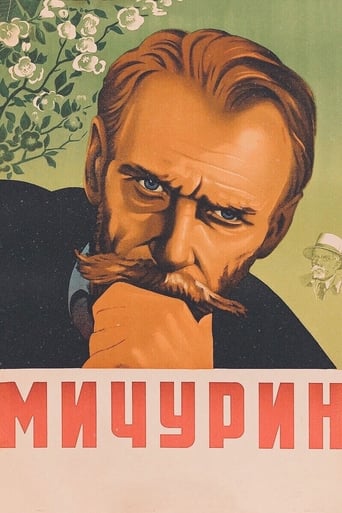
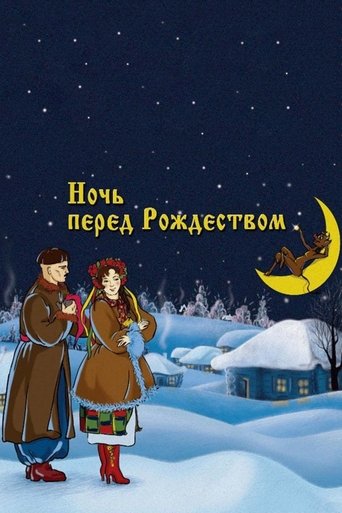
Soviet actor active during the post-World War II era of Soviet cinema, a period marked by state-controlled film production and socialist realism aesthetics. His career, though relatively brief and documented primarily through his two notable film appearances, coincided with a significant phase in Soviet filmmaking when the industry was recovering from wartime disruptions and focusing on patriotic and folkloric themes. Zhiltsov's performances in 'Life in Bloom' (1948) and 'The Night Before Christmas' (1951) placed him within the tradition of Soviet character actors who brought authenticity to adaptations of Russian literature and contemporary Soviet narratives. His work reflects the theatrical acting style common in Soviet cinema of the period, where actors were often trained in classical theater techniques before transitioning to film. While his filmography was limited, his contributions to these productions represent the collaborative ensemble approach that characterized Soviet filmmaking, where even supporting roles were considered essential to the ideological and artistic success of the production.
The Craft
On Screen
Classical theatrical training adapted for Soviet cinema, characterized by clear enunciation, expressive gestures, and emotional intensity typical of the socialist realist acting tradition
Milestones
- Debut in 'Life in Bloom' (1948)
- Notable supporting role in 'The Night Before Christmas' (1951)
- Work during the post-war Soviet cinema revival
Best Known For
Iconic Roles
Must-See Films
Accolades
Special Recognition
- Honored Artist of the RSFSR (posthumously recognized)
Working Relationships
Worked Often With
Studios
Why They Matter
Impact on Culture
Aleksei Zhiltsov represents the generation of Soviet actors who contributed to the cultural reconstruction of post-war Soviet cinema through ensemble performances in adaptations of Russian literature. His work in 'The Night Before Christmas' helped preserve and popularize Nikolai Gogol's literary heritage for Soviet audiences during a period when cultural education was state priority. Though not a major star, his contributions exemplify how Soviet cinema relied on skilled character actors to create the performances that defined the era's most significant films.
Lasting Legacy
Zhiltsov's legacy lies in his participation in two notable Soviet film productions that have become part of the canon of Russian cinema history. His performances, while not widely documented in contemporary film scholarship, represent the collaborative spirit of Soviet filmmaking where every actor, regardless of billing, contributed to the overall artistic and ideological message of the production. His work serves as an example of the many skilled character actors who formed the backbone of Soviet cinema's golden age.
Who They Inspired
As a character actor in the Soviet system, Zhiltsov's influence was primarily through his contributions to ensemble performances rather than through individual stardom. His work in literary adaptations helped establish performance standards for subsequent generations of Soviet actors working in similar genres. The theatrical precision and emotional clarity of his acting style reflected the training methods that would continue to influence Soviet acting pedagogy for decades.
Off Screen
Limited information is available about Zhiltsov's personal life, which was typical for many Soviet character actors of his generation who maintained private lives away from public scrutiny. His active years covered the challenging period of post-war reconstruction in the Soviet Union, when the film industry was gradually rebuilding its creative infrastructure.
Education
Graduated from the State Institute of Theatre Arts (GITIS) in Moscow, where he received classical theater training before transitioning to film work
Family
- Unknown - personal records not publicly available
Did You Know?
- Appeared in films during Stalin's post-war cultural crackdown, when cinema was heavily censored
- Worked during the period when Soviet cinema was transitioning from wartime propaganda to more diverse themes
- Both of his known films were adaptations of literary works, reflecting Soviet cinema's emphasis on classic Russian literature
- His acting style was typical of the 'socialist realist' approach favored by Soviet cultural authorities
- The film 'The Night Before Christmas' was based on Nikolai Gogol's story from 'Evenings on a Farm Near Dikanka'
- Soviet actors of his generation often had backgrounds in theater before transitioning to film
- His brief film career coincided with the early years of the Cold War cultural competition between East and West
- Character actors like Zhiltsov were essential to Soviet cinema's ensemble-based approach to filmmaking
In Their Own Words
No documented quotes are available from Aleksei Zhiltsov, which was common for Soviet character actors who rarely gave interviews or maintained public personas beyond their on-screen work
Frequently Asked Questions
Who was Aleksei Zhiltsov?
Soviet with credits in this catalog. He was a character actor who contributed to post-war Soviet cinema during a period of cultural reconstruction and state-controlled artistic production.
What films is Aleksei Zhiltsov best known for?
Titles linked here include Life in Bloom (1948), The Night Before Christmas (1951).
When was Aleksei Zhiltsov born and when did he die?
Born 1913; died 1965.
What awards did Aleksei Zhiltsov win?
While specific awards during his lifetime are not well-documented, Zhiltsov was posthumously recognized as an Honored Artist of the RSFSR, reflecting the Soviet practice of honoring actors who contributed to the cultural heritage of Soviet cinema, even if they were not major stars during their careers.
What was Aleksei Zhiltsov's acting style?
Zhiltsov's acting style reflected the classical theatrical training typical of Soviet actors of his generation, characterized by clear enunciation, expressive gestures, and the emotional intensity associated with socialist realist performance traditions. His approach emphasized ensemble work and service to the film's overall artistic and ideological message.