Films
2 films
About Olga Bazanova
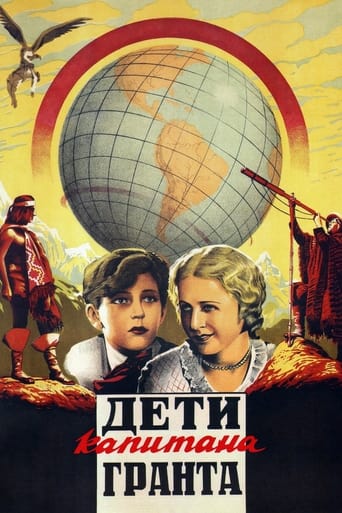
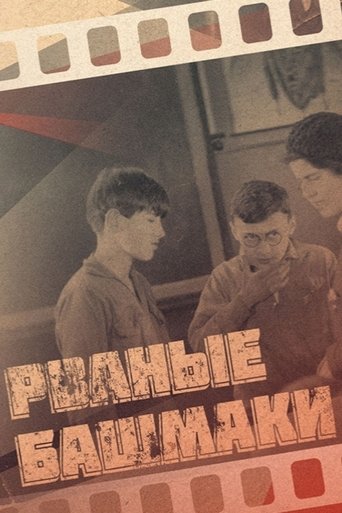
Soviet actress who worked during the early sound era of Soviet cinema in the 1930s. Her career, though brief, spanned from 1933 to 1936, during which she appeared in at least two notable films of the period. Her most recognized role was in the 1936 Soviet adaptation of Jules Verne's 'Capt. Grant's Family,' which was one of the significant literary adaptations of early Soviet cinema. She also appeared in 'Torn Boots' in 1933, though this film is less documented in international cinema archives. Like many actors of her generation, her career was likely impacted by the political and social changes occurring in the Soviet Union during the 1930s. Her work represents the transitional period from silent films to sound in Soviet cinema, and her performances contributed to the developing style of socialist realist film that would dominate Soviet cinema in the following decades.
The Craft
On Screen
While specific details about her acting style are not well-documented, her work during the early Soviet sound era would have been influenced by the emerging socialist realist aesthetic that emphasized clear, accessible performances serving ideological purposes.
Milestones
- Appeared in 'Torn Boots' (1933)
- Starred in 'Capt. Grant's Family' (1936)
Best Known For
Iconic Roles
Must-See Films
Working Relationships
Studios
Why They Matter
Impact on Culture
Olga Bazanova's work represents the early period of Soviet sound cinema, a crucial transitional era in film history. Her participation in literary adaptations like 'Capt. Grant's Family' contributed to the Soviet practice of adapting classic literature for film, which served both educational and cultural purposes. While not a major star, her career exemplifies the working actor's experience during a formative period in Soviet cinema, when the industry was establishing its distinctive aesthetic and ideological approaches.
Lasting Legacy
As an actress from the early Soviet sound era, Olga Bazanova's legacy is primarily preserved through her existing film work, particularly 'Capt. Grant's Family.' Her performances provide insight into the acting styles and production values of Soviet cinema during the 1930s, a period that laid the groundwork for the golden age of Soviet film. Though not widely recognized internationally, her work contributes to the broader understanding of Soviet cinema's development during this crucial period.
Who They Inspired
Given her relatively brief career and limited filmography, there is little documented evidence of Olga Bazanova's direct influence on other actors or filmmakers. However, like all actors of her generation, she contributed to the evolving language of Soviet cinema and helped establish conventions that would influence subsequent generations of Soviet performers.
Off Screen
Limited documentation exists about Olga Bazanova's personal life, which was common for many Soviet actors of her era who were not among the most prominent stars of the time.
Did You Know?
- Her film active years covered only three years during the early Soviet sound era
- Appeared in the 1936 Soviet adaptation of Jules Verne's novel
- Her filmography represents the transitional period from silent to sound cinema in the USSR
- Like many Soviet actors of her era, she worked primarily in state-controlled film studios
- Her existing films provide valuable documentation of early Soviet sound production techniques
Frequently Asked Questions
Who was Olga Bazanova?
Soviet actress active during the early 1930s, best known for her roles in 'Torn Boots' (1933) and 'Capt. Grant's Family' (1936). She worked during the transitional period from silent to sound cinema in the Soviet Union.
What films is Olga Bazanova best known for?
Titles linked here include Capt. Grant's Family (1936), Torn Boots (1933).
When was Olga Bazanova active in film?
Olga Bazanova's documented film active years covered from 1933 to 1936, placing her work firmly in the early Soviet sound era.
What was significant about her film work?
Her films represent the early period of Soviet sound cinema and the practice of adapting classic literature for Soviet audiences, contributing to the development of socialist realist film aesthetics.
Is there much documentation about her life and career?
Unfortunately, detailed documentation about Olga Bazanova's life and career is limited, which was common for many Soviet actors of her era who were not among the most prominent stars.