Films
1 film
About Ersilia Scalpellini
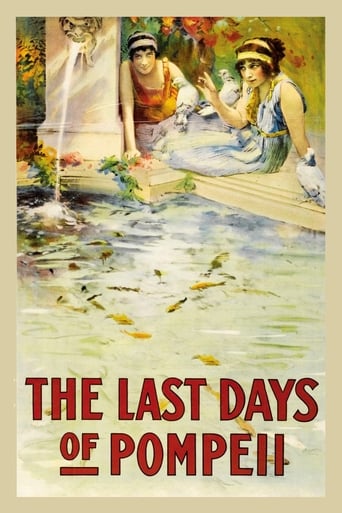
The 1913 film The Last Days of Pompeii is the only title linked here for Ersilia Scalpellini. Her career, though brief, coincided with the golden age of Italian historical epics in the early 1910s. She is known primarily for her role in the 1913 adaptation of 'The Last Days of Pompeii,' which was ambitious Italian productions of its time. Like many actors of this period, her work was confined to the domestic Italian film market during the country's cinematic boom before World War I. Her career appears to have been extremely short-lived, spanning only the year 1913, which was not uncommon for actors in the very early film industry. The lack of further documentation about her subsequent career suggests she may have left acting shortly after her debut. Her legacy remains tied to this single significant production from the early Italian silent era.
The Craft
Milestones
- Appeared in 'The Last Days of Pompeii' (1913),
Best Known For
Iconic Roles
Must-See Films
Why They Matter
Impact on Culture
Ersilia Scalpellini's cultural impact is primarily tied to her participation in. 'The Last Days of Pompeii' (1913) was part of the wave of Italian historical spectaculars that dominated world cinema before World War I, showcasing the country's technical and artistic capabilities in filmmaking. While her individual contribution was minor, she was part of a movement that established Italy as a leader in international cinema during this period. The film itself was influential in establishing the epic genre and demonstrating cinema's potential for grand historical storytelling.
Lasting Legacy
Ersilia Scalpellini's legacy is that of a representative figure from the era of Italian cinema. Like many actors of her generation, her work shows the early development of the film industry and the countless individuals who contributed to cinema's formative years. While she did not achieve lasting fame, her appearance in 'The Last Days of Pompeii' connects her to. Her story illustrates how many early film actors had brief careers that left little documentation but were part of cinema's foundational development.
Who They Inspired
Due to her extremely brief career and the limited documentation of her work, Ersilia Scalpellini's direct influence on other actors or filmmakers cannot be traced. However, as part of the cast of a significant early Italian epic, she contributed to the tradition of historical filmmaking that would influence cinema worldwide. The techniques and approaches developed in productions like 'The Last Days of Pompeii' would later influence Hollywood epics and international cinema, though her individual role in this influence remains undocumented.
Off Screen
Very little is documented about Ersilia Scalpellini's personal life, which was common for actors of the early silent era who were not major stars. Her brief film career suggests she may have been young at the time of her appearance and possibly pursued other interests or returned to private life afterward.
Did You Know?
- Her only known film appearance was in 1913, making her career span exactly one year
- 'The Last Days of Pompeii' (1913) was directed by Mario Caserini, one of Italy's film directors
- The film was based on Edward Bulwer-Lytton's 1834 novel and was one of several adaptations made during the silent era
- Italian cinema of this period was known for its elaborate historical epics that were major international exports
- The 1913 version of 'The Last Days of Pompeii' was noted for its impressive sets and large-scale battle scenes
- Many actors from early Italian cinema have been lost to history due to poor record-keeping and the ephemeral nature of silent film stardom
- The film was produced by Milano Films, one of Italy's early production companies
- 1913 was considered a peak year for Italian cinema before the disruptions of World War I
Frequently Asked Questions
Who was Ersilia Scalpellini?
Screen credits include only one known film, 'The Last Days of Pompeii' in 1913. She was part of the early Italian cinema boom that produced elaborate historical epics before World War I.
What films is Ersilia Scalpellini best known for?
Titles linked here include The Last Days of Pompeii (1913).
When was Ersilia Scalpellini born and when did she die?
Specific birth and death dates for Ersilia Scalpellini are not documented in historical records, which was common for non-star actors in the early silent film era. Her career is only known to have been active in 1913.
What awards did Ersilia Scalpellini win?
Ersilia Scalpellini did not receive any documented awards or honors, which was typical for actors with very brief careers in the early 1910s when formal award systems for cinema were not yet established.
What was Ersilia Scalpellini's acting style?
Due to the lack of surviving documentation and films, Ersilia Scalpellini's specific acting style cannot be determined. She would have worked within the theatrical, exaggerated style typical of silent film acting in the early 1910s.
Why is so little known about Ersilia Scalpellini?
The scarcity of information about Ersilia Scalpellini reflects the challenges of documenting early cinema history, particularly for actors who had brief careers or were not major stars. Many records from this period have been lost, and non-leading performers often received little press coverage.