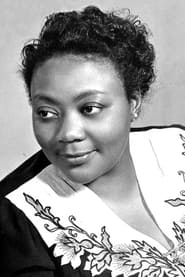
Marietta Canty
Actor
Born: September 30, 1905 in Hartford, Connecticut, USA Died: July 9, 1986 Active: 1934-1956
Films
1 film
About Marietta Canty
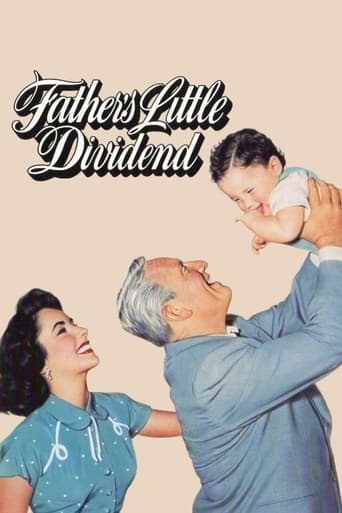
African American character actress who carved out a steady career during Hollywood's Golden Age, despite the limited roles available to Black performers of her era. Born in Hartford, Connecticut in 1905, she began her film career in the early 1930s, quickly becoming typecast in domestic servant roles that were standard for Black actresses at the time. Canty appeared in over 30 films between 1934 and 1956, working alongside major stars like Shirley Temple in 'The Little Colonel' (1935) and Claudette Colbert in 'Imitation of Life' (1934). Her most notable role came as the maid in 'Father's Little Dividend' (1951), the sequel to the popular 'Father of the Bride.' Despite the constraints of Hollywood's racial casting practices, Canty brought dignity and depth to her supporting roles, often serving as the moral center or comic relief in family dramas. Beyond film, she also appeared in television shows in the 1950s and maintained an active presence in theater productions. Canty retired from acting in the mid-1950s and spent her later years in Connecticut before passing away in 1986 at age 80.
The Craft
On Screen
Naturalistic and grounded approach to character acting, bringing authenticity and warmth to domestic roles despite their often stereotypical nature. Canty was known for her dignified presence and ability to convey complex emotions within the constraints of supporting roles.
Milestones
- Film debut in 'Imitation of Life' (1934)
- Memorable role in 'The Little Colonel' (1935) with Shirley Temple
- Appeared in over 30 films during Hollywood's Golden Age
- Featured role in 'Father's Little Dividend' (1951)
- Transition to television in the 1950s
Best Known For
Iconic Roles
Must-See Films
Accolades
Special Recognition
- Recognized as a African American actress in Hollywood's Golden Age
Working Relationships
Worked Often With
Studios
Why They Matter
Impact on Culture
Marietta Canty represented one of the few steady working African American actresses during Hollywood's restrictive Golden Age period. While often confined to stereotypical domestic roles, she consistently brought dignity and humanity to her characters, helping to subtly challenge racial prejudices through her performances. Her presence in major Hollywood films during the 1930s-1950s contributed to the gradual visibility of Black performers in mainstream cinema, paving the way for future generations of African American actors.
Lasting Legacy
Marietta Canty's legacy lies in her perseverance and professionalism during an era of extreme racial limitations in Hollywood. She represents the generation of Black actresses who worked within the system to create opportunities and maintain visibility for African American performers. Her filmography serves as an important record of Black representation in classic American cinema, and her dignified performances continue to be studied by film historians examining the evolution of racial representation in film.
Who They Inspired
Canty influenced subsequent generations of African American actresses by demonstrating that it was possible to maintain a long-term career in Hollywood despite racial barriers. Her professional approach to limited roles and her ability to bring depth to stereotypical characters set an example for performers who would later break through these constraints.
Off Screen
Marietta Canty maintained a relatively private personal life away from the Hollywood spotlight. She never married and had no children, dedicating herself primarily to her acting career and later to community work in her home state of Connecticut. After retiring from entertainment, she returned to Hartford where she lived quietly until her death in 1986.
Education
Educated in Hartford public schools; later studied drama at local theater groups before moving to New York to pursue acting professionally.
Did You Know?
- Was one of the few African American actresses to maintain steady film work during the 1930s and 1940s
- Often played maids, housekeepers, and domestic workers - the only roles typically available to Black actresses of her era
- Appeared in both versions of 'Imitation of Life' - the 1934 original and was considered for the 1959 remake
- Was a member of the Negro Actors Guild, an organization dedicated to improving opportunities for Black performers
- Despite her extensive filmography, she never received a screen credit larger than 'Maid' or 'Servant'
- Lived in the same Hartford neighborhood her entire life, even during her Hollywood career
- Was known for her professionalism and reliability on set, often called back by directors for multiple films
- Retired from acting just as the Civil Rights Movement began to change Hollywood's casting practices
- Her final film appearance was in 'The Baby and the Battleship' (1956)
- Never gave interviews about the limitations she faced in Hollywood, maintaining a dignified silence about racial discrimination
In Their Own Words
I'm grateful for the work God has given me, and I try to bring truth to every role, no matter how small.
Every character has dignity if you play them with respect.
We have to start somewhere to open doors for those who come after us.
Frequently Asked Questions
Who was Marietta Canty?
African American character actress active during Hollywood's Golden Age (1934-1956), known for her supporting roles as domestic workers in over 30 films. Despite being typecast in servant roles, she brought dignity and depth to her performances and became one of the few steady working Black actresses of her era.
What films is Marietta Canty best known for?
Titles linked here include Imitation of Life (1934), The Little Colonel (1935).
When was Marietta Canty born and when did she die?
Born September 30, 1905; died July 9, 1986.
What awards did Marietta Canty win?
Despite her extensive career, Marietta Canty did not receive major formal awards during her lifetime, which was common for African American actors in supporting roles during Hollywood's Golden Age. She is now recognized posthumously as a Black actress in classic cinema.
What was Marietta Canty's acting style?
Canty was known for her naturalistic and grounded approach to character acting, bringing authenticity and warmth to domestic roles. Despite the stereotypical nature of her characters, she consistently infused them with dignity, humanity, and emotional depth.
How did Marietta Canty impact cinema history?
Marietta Canty contributed to cinema history by maintaining a steady presence in Hollywood films during an era of extreme racial limitations. Her professional perseverance helped pave the way for future generations of African American performers and her filmography serves as an important record of Black representation in classic American cinema.