
Percy Marmont
Actor
Born: November 25, 1883 in London, England Died: March 3, 1977 Active: 1915-1942
Films
3 films
About Percy Marmont
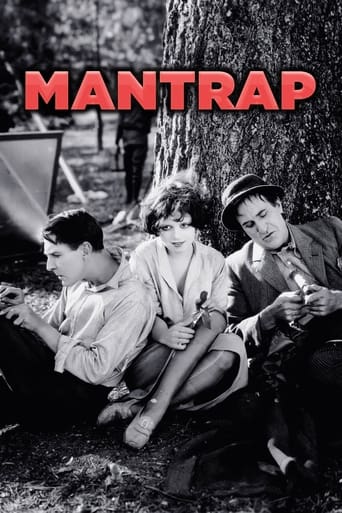
British actor who rose to prominence during the golden age of silent cinema, establishing himself as a leading man in both British and American films. Born in London in 1883, he began his acting career on the stage before transitioning to motion pictures in the mid-1910s, quickly gaining recognition for his handsome appearance and refined screen presence. Marmont's breakthrough came when he was recruited by Hollywood studios, where he starred opposite some of the era's biggest names, including Clara Bow in the acclaimed 1926 film 'Mantrap.' Throughout the late 1920s, he appeared in numerous successful silent productions, often portraying romantic leads or sophisticated gentlemen, with his performances characterized by a naturalistic style that helped bridge the gap between theatrical and cinematic acting. The advent of sound films presented challenges for many silent era actors, and while Marmont successfully made the transition, his career gradually shifted toward supporting roles and character parts. He continued working in films through the 1930s and early 1940s, appearing in both British and American productions before eventually retiring from the screen. Marmont's nearly three decades and encompassed over 80 film appearances, making him a significant figure in early cinema history.
The Craft
On Screen
Marmont was known for his naturalistic and understated acting style, which was somewhat ahead of its time for the silent era. Unlike many of his contemporaries who employed broad, theatrical gestures, Marmont favored subtle facial expressions and restrained movements, making his performances feel more authentic and relatable to audiences. His screen presence was characterized by a quiet dignity and sophistication, which made him particularly well-suited for romantic leading roles. He had a remarkable ability to convey complex emotions through his eyes and subtle expressions, a skill that served him well as cinema evolved from silent pictures to sound films.
Milestones
- Starred in 'Mantrap' (1926) opposite Clara Bow, his most famous role
- Leading man in 'The Sorrows of Satan' (1926)
- Appeared in 'The Eagle of the Sea' (1926)
- Successfully transitioned from silent films to talkies
- Worked for major studios including Paramount Pictures and First National
- Returned to British cinema in the 1930s after Hollywood success
Best Known For
Iconic Roles
Must-See Films
Working Relationships
Worked Often With
Studios
Why They Matter
Impact on Culture
Percy Marmont represented the transition from theatrical acting to cinematic naturalism during a pivotal period in film history. His work helped establish a more subtle, realistic acting style that would become standard in later decades. As a British actor who found success in Hollywood, he was part of the early internationalization of cinema, demonstrating that film stardom could transcend national boundaries. His performances in films like 'Mantrap' provided audiences with sophisticated, nuanced portrayals that elevated the artistic credibility of motion pictures as a medium.
Lasting Legacy
Percy Marmont's legacy lies in his contributions to the art of film acting during its formative years. While not as widely remembered today as some of his contemporaries, his work exemplified the craftsmanship and artistry of silent cinema at its peak. Film historians and preservationists continue to study his performances as examples of the evolution of acting technique in early cinema. His career trajectory—from British stage to Hollywood stardom and back to British films—mirrors the broader patterns of the international film industry during the first half of the 20th century.
Who They Inspired
Marmont influenced subsequent generations of actors through his naturalistic approach to film performance, which contrasted with the more exaggerated styles common in early cinema. His ability to convey emotion through subtlety rather than broad gestures helped pave the way for the more nuanced acting styles that would become standard in sound films. Younger actors, particularly those transitioning from stage to screen, looked to his work as an example of how to adapt their craft for the camera's intimate perspective.
Off Screen
Percy Marmont was married to actress Dorothy Marmont, with whom he had one child, a daughter named Pamela who also became an actress. The family maintained residences in both London and Hollywood during the height of his career. Marmont was known for his quiet, professional demeanor on set and was respected by colleagues for his dedication to his craft. After retiring from acting, he lived a relatively private life in London, occasionally giving interviews about his experiences in early Hollywood. He remained connected to the film community through his daughter's career and was often sought out by film historians for his firsthand accounts of the silent era.
Education
Educated in London, received formal training in dramatic arts before beginning his stage career
Family
- Dorothy Marmont (married 1915-1977)
Did You Know?
- Was originally considered for the role of Don Juan in the 1926 film but lost it to John Barrymore
- Spoke fluent French, which helped him secure roles in international productions
- Was an accomplished horseman and performed many of his own stunts in western and adventure films
- His daughter Pamela Marmont appeared in the classic British film 'The Man Who Knew Too Much' (1956)
- Was one of the few British actors to maintain leading man status in Hollywood during the mid-1920s
- Survived the transition to sound films better than many of his silent era contemporaries
- Was a close friend of fellow British actor Ronald Colman during their Hollywood years
- Returned to England in the early 1930s partly due to homesickness and the changing Hollywood landscape
- His final film appearance was in 'The Day Will Dawn' (1942), a British wartime drama
- Was offered a contract by MGM in the late 1920s but declined to maintain his independence as an actor
In Their Own Words
The camera is a merciless instrument. It reveals everything, especially insincerity. One must be truthful before it.
Silent films demanded a different kind of truth from actors. We had to speak with our eyes and move with purpose.
Frequently Asked Questions
Who was Percy Marmont?
British with credits in this catalog. He worked in both Hollywood and British cinema, appearing in over 80 films throughout his career spanning nearly three decades.
What films is Percy Marmont best known for?
Titles linked here include Mantrap (1926), The Sorrows of Satan (1926).
When was Percy Marmont born and when did he die?
Born November 25, 1883; died March 3, 1977.
What awards did Percy Marmont win?
Percy Marmont did not receive major formal awards during his career, as was common for many actors of his era. However, his contributions to cinema were recognized through his consistent employment by major studios and his status as a respected leading man in both Hollywood and British film industries.
What was Percy Marmont's acting style?
Percy Marmont was known for his naturalistic and understated acting style, which was ahead of its time for the silent era. He favored subtle expressions and restrained movements over broad theatrical gestures, making his performances feel more authentic and helping bridge the gap between stage acting and cinematic performance.
Did Percy Marmont successfully transition to sound films?
Yes, unlike many silent era stars, Percy Marmont successfully made the transition to sound films, though his career gradually shifted toward supporting roles. He continued working in films through the 1930s and early 1940s, appearing in both British and American productions before retiring.
Was Percy Marmont married and did he have children?
Percy Marmont was married to actress Dorothy Marmont from 1915 until his death in 1977. They had one daughter, Pamela Marmont (1917-2006), who also became an actress and appeared in British films and television, including 'The Man Who Knew Too Much' (1956).