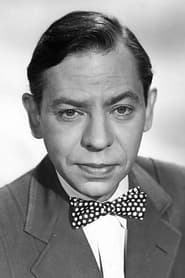
Oscar Levant
Actor
Born: December 27, 1906 in Pittsburgh, Pennsylvania, USA Died: August 14, 1972 Active: 1929-1965
Films
1 film
About Oscar Levant
Oscar Levant was born in Pittsburgh, Pennsylvania in 1906 and became one of Hollywood's most eccentric and talented multi-hyphenates. He was a concert pianist, composer, author, comedian, and actor known for his razor-sharp wit and neurotic persona. Levant studied piano with Zygmunt Stojowski and made his concert debut at age 15, later becoming a respected interpreter of George Gershwin's works. His Hollywood from the late 1920s through the 1950s, where he often played variations of himself - witty, cynical, and musically gifted characters. Oscar appears in numerous films including 'An American in Paris' (1951), 'The Band Wagon' (1953), and 'The Barkleys of Broadway' (1949). Beyond films, Levant — popular radio and television personality, known for his appearances on 'Information Please' and his own talk show. He struggled with mental health issues and addiction throughout his life, which he often incorporated into his public persona and writing. Levant authored several books including 'Memoirs of an Amnesiac' and 'The Unimportance of Being Oscar,' cementing his reputation as one of Hollywood's most intelligent and self-aware personalities.
The Craft
On Screen
Levant's acting style was essentially playing himself - a witty, cynical, intellectually brilliant but neurotic character. He delivered lines with a deadpan, rapid-fire wit that masked underlying vulnerability. His performances were characterized by self-deprecating humor, intellectual references, and a palpable tension between his cultivated sophistication and personal demons. He never really 'acted' in the traditional sense but rather projected his authentic, complex personality onto the screen.
Milestones
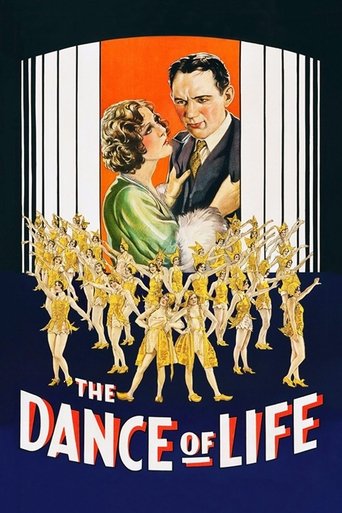
- Film debut in 'The Dance of Life' (1929)
- Became George Gershwin's close friend and musical interpreter
- Regular panelist on radio's 'Information Please' (1938-1948)
- Starred in MGM musicals with Fred Astaire and Gene Kelly
- Hosted 'The Oscar Levant Show' on television (1958-1960)
- Published bestselling memoirs in the 1960s
- Performed as concert pianist with major orchestras worldwide
Best Known For
Iconic Roles
Must-See Films
Accolades
Special Recognition
- Hollywood Walk of Fame Star (1960)
- Inducted into the Songwriters Hall of Fame (1970)
Working Relationships
Worked Often With
Studios
Why They Matter
Impact on Culture
Oscar Levant's cultural impact extended far beyond his film career, as he represented the intellectual, tortured artist in American popular culture. He bridged the worlds of classical music and popular entertainment, bringing sophisticated musical knowledge to mainstream audiences. Levant pioneered the celebrity confessional style, openly discussing his mental health, drug addiction, and neuroses decades before such candor became common. His television show 'The Oscar Levant Show' broke new ground in 1958 by featuring unscripted, intelligent conversation about art, politics, and psychology. As a writer, he influenced the genre of celebrity memoir with his brutally honest and witty autobiographies. Levant's persona as the 'witty neurotic' paved the way for later comedians like Woody Allen and Richard Lewis. He also helped preserve and popularize George Gershwin's music through his performances and interpretations.
Lasting Legacy
Oscar Levant's legacy is that of a Renaissance man who embodied the complexity and contradictions of 20th-century American culture. He is remembered as one of Hollywood's most authentic personalities - never pretending to be anything other than his brilliant, troubled self. His film performances, particularly in MGM musicals, remain cherished examples of the actor-as-persona approach to cinema. Levant's writings continue to be studied for their literary merit and psychological insight. Musically, his recordings of Gershwin's works are still considered definitive interpretations by many critics. Perhaps most importantly, Levant broke taboos about discussing mental health and addiction in public, making him an unlikely pioneer in mental health awareness. His combination of musical genius, intellectual firepower, and brutal honesty created a unique cultural figure that has never been quite replicated in American entertainment.
Who They Inspired
Oscar Levant influenced generations of performers who followed his model of intellectual comedy and self-revelation. His deadpan delivery style and rapid-fire wit influenced comedians from Woody Allen to Stephen Colbert. The way he incorporated his personal struggles into his public persona paved the way for later confessional comedians and performers. Musically, his interpretations of Gershwin influenced countless pianists who followed. His television work demonstrated the potential for intelligent, unscripted conversation on the small screen, influencing later talk show formats. Levant's writing style - mixing high culture references with personal confession - influenced the genre of celebrity memoirs. His ability to discuss serious topics like mental health while maintaining humor and accessibility made him a model for performers who want to address substantive issues without alienating popular audiences.
Off Screen
Oscar Levant led a tumultuous personal life marked by genius, addiction, and mental health struggles. He married actress June Gale in 1939, and they remained together until his death, despite his numerous affairs and institutionalizations. Levant was addicted to prescription drugs and alcohol, undergoing psychiatric treatment multiple times throughout his life. He was a close friend of George Gershwin and was devastated by Gershwin's early death in 1937. Levant's home in Beverly Hills became a salon for Hollywood intellectuals and artists. He openly discussed his neuroses, phobias, and addictions in his books and interviews, making him one of the first celebrities to be candid about mental health issues. His later years were marked by declining health and reclusiveness, though he continued to write and occasionally perform until his death from a heart attack at age 65.
Education
Studied piano with Zygmunt Stojowski in New York, later studied composition with Arnold Schoenberg briefly in Los Angeles
Family
- June Gale (1939-1972)
Did You Know?
- Was a close personal friend of George Gershwin and considered the foremost interpreter of his music
- Appeared as a panelist on over 200 episodes of the radio quiz show 'Information Please'
- Was institutionalized multiple times for drug addiction and mental health issues
- Once famously said on live television: 'I'm a former manic-depressive. I'm a depressive now'
- Could play virtually any piece of music by ear after hearing it just once
- Was a regular guest on Jack Paar's Tonight Show, often appearing unannounced
- Wrote three bestselling memoirs that were praised for their literary quality
- Had an IQ estimated at 165 but never completed formal education beyond high school
- Was blacklisted during the Red Scare but continued working through his television show
- His home was a gathering place for Hollywood intellectuals including Aldous Huxley and Christopher Isherwood
- Once performed Gershwin's 'Rhapsody in Blue' with the Los Angeles Philharmonic without rehearsal
- Was known for his ability to quote Shakespeare and classical literature while discussing contemporary topics
In Their Own Words
There's a fine line between genius and insanity. I have erased this line.
I don't drink. I don't like it. It makes me feel good.
I'm a former manic-depressive. I'm a depressive now.
The only difference between the Democrats and the Republicans is that the Democrats allow the poor to be corrupt, too.
I've given up reading books. I find it takes my mind off myself.
Happiness isn't something you experience; it's something you remember.
I'm going to memorize your name and throw my head away.
I have a memory like an elephant. In fact, elephants often consult me.
I think sex is better than logic, but I can't prove it.
I'm tired of all this nonsense about beauty being only skin-deep. That's deep enough. What do you want, an adorable pancreas?
Frequently Asked Questions
Who was Oscar Levant?
Multi-talented American entertainer known as a concert pianist, composer, with credits in this catalog. He was particularly famous for his interpretations of George Gershwin's music and his neurotic, intellectual persona in films and television. Levant appeared in numerous Hollywood musicals and was a popular radio and television personality known for his candid discussions of mental health and addiction.
What films is Oscar Levant best known for?
Titles linked here include An American in Paris (1951), The Band Wagon (1953).
When was Oscar Levant born and when did he die?
Born December 27, 1906; died August 14, 1972.
What awards did Oscar Levant win?
While Oscar Levant did not receive major acting awards, he was honored with a star on the Hollywood Walk of Fame in 1960 and was inducted into the Songwriters Hall of Fame in 1970. His greatest recognition came from his literary works, with his memoirs becoming bestsellers praised for their literary merit and brutal honesty.
What was Oscar Levant's acting style?
Oscar Levant's acting style was essentially playing himself - a witty, cynical, intellectually brilliant but neurotic character. He delivered lines with deadpan, rapid-fire wit and never really 'acted' in the traditional sense but projected his authentic personality. His performances were characterized by self-deprecating humor, intellectual references, and the tension between his sophistication and personal demons.
How did Oscar Levant influence popular culture?
Oscar Levant influenced popular culture by the celebrity confessional style, openly discussing mental health and addiction decades before it became common. He bridged classical music and popular entertainment, brought intellectual conversation to television, and influenced later comedians with his witty, neurotic persona. His memoirs set a new standard for celebrity autobiographies.
What was Oscar Levant's relationship with George Gershwin?
Oscar Levant was George Gershwin's close friend and became the foremost interpreter of his music. The two met in the 1920s and remained friends until Gershwin's death in 1937. Levant premiered many of Gershwin's works and his recordings are still considered definitive interpretations. He was devastated by Gershwin's death and frequently spoke about their friendship in interviews and writings.