Georges Charensol
Actor
Born: June 2, 1899 in Paris, France Died: November 12, 1979 Active: 1924-1924 (film appearances)
Films
1 film
About Georges Charensol
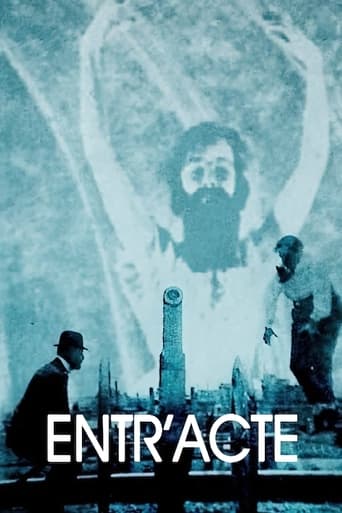
French writer, art critic, and journalist who became part of the vibrant Parisian avant-garde scene during the 1920s. He was closely associated with the Dada movement and was a member of the intellectual circle that included prominent figures like Francis Picabia, Man Ray, and Marcel Duchamp. His sole film appearance came in René Clair's surrealist short film 'Entr'acte' (1924), which was created as an intermission piece for the Ballets Suédois production of 'Relâche.' Unlike professional actors, Charensol was cast due to his status within the avant-garde community, as the film featured numerous artists, writers, and intellectuals rather than traditional performers. Beyond his brief cinematic appearance, Charensol was primarily known for his contributions as a critic and writer, documenting and participating in the revolutionary artistic movements of his time. His involvement in 'Entr'acte' represents the collaborative spirit of the Dada and Surrealist movements, where boundaries between different artistic disciplines were deliberately blurred. Though his film career was limited to this single appearance, his participation in this landmark work of avant-garde cinema has ensured his place in film history as a representative of the creative ferment of 1920s Paris.
The Craft
On Screen
Non-professional performer who appeared as part of the avant-garde collective in 'Entr'acte,' embodying the Dadaist rejection of traditional acting techniques in favor of spontaneous, anti-artistic expression
Milestones
- Appeared in René Clair's surrealist masterpiece 'Entr'acte' (1924)
- Active member of the Parisian Dada movement
- Contributed to avant-garde publications and journals
- Part of Francis Picabia's artistic circle
- Documented the Paris avant-garde scene through his critical writings
Best Known For
Iconic Roles
Must-See Films
Accolades
Special Recognition
- Recognized as an important figure in the documentation of the Dada and Surrealist movements
Working Relationships
Worked Often With
Studios
Why They Matter
Impact on Culture
Georges Charensol's cultural impact stems primarily from his participation in 'Entr'acte,'. The film itself represented a radical departure from conventional cinema, embracing the Dadaist principles of anti-art, randomness, and the rejection of traditional narrative structures. By appearing in this groundbreaking work, Charensol became part of a cultural artifact that would influence generations of experimental filmmakers. The film's techniques, including its use of rapid editing, slow motion, and visual puns, were revolutionary for their time and continue to be studied by film scholars today. Charensol's involvement exemplifies how the avant-garde movements of the 1920s blurred the lines between different artistic disciplines, with writers, painters, and musicians all contributing to cinematic experiments. His presence in the film shows the collaborative nature of the Parisian avant-garde scene, where creative individuals from various backgrounds came together to challenge artistic conventions.
Lasting Legacy
Georges Charensol's legacy is preserved through his appearance in 'Entr'acte,' which remains a cornerstone of surrealist and avant-garde cinema. While he may not have had an extensive film career, his participation in this landmark work ensures his place in film history as a representative of the revolutionary artistic spirit of the 1920s. The film continues to be screened at film festivals, museums, and cinematheques worldwide, studied by film students and scholars interested in the origins of experimental cinema. Charensol's brief on-screen presence serves as a window into the world of the Parisian avant-garde, providing a human face to the intellectual and artistic movements that transformed 20th-century art. His legacy is also preserved through his writings and critical work, which documented the vibrant cultural scene of his era. As such, he represents the important role that critics and writers played in shaping and preserving the history of modern art movements.
Who They Inspired
While Georges Charensol was not primarily an influential figure in terms of mentoring other artists or actors, his participation in 'Entr'acte' contributed to the film's lasting influence on experimental cinema. The film's techniques and aesthetic approach would later influence filmmakers ranging from Luis Buñuel and Salvador Dalí to Jean-Luc Godard and the French New Wave directors. Charensol's involvement in this influential work, along with his writings about the avant-garde scene, helped document and preserve the spirit of innovation that characterized the Parisian art world of the 1920s. His critical work likely influenced how later generations understood and interpreted the Dada and Surrealist movements. The collaborative approach he participated in, where writers and critics appeared in films alongside artists, became a model for later experimental and independent filmmaking communities.
Off Screen
Georges Charensol lived through. He was part of the intellectual and artistic ferment that produced some of the most revolutionary works of the early 20th century. His life intersected with many of the major figures of modern art and literature, though details about his personal relationships remain limited in historical records.
Education
Educated in Paris, likely received traditional French education of the period, though specific details about his formal education are not well documented in available sources
Did You Know?
- Appeared in 'Entr'acte' as part of the chess game sequence, one of the film's most memorable scenes
- Was primarily a writer and art critic rather than a professional actor
- Participated in Francis Picabia's Dadaist circle in Paris
- The film 'Entr'acte' was originally created to be shown during the intermission of the Ballets Suédois production 'Relâche'
- His appearance in the film exemplifies the Dadaist principle of using non-professionals to reject traditional artistic hierarchies
- The film featured music by composer Erik Satie, another prominent figure in the Parisian avant-garde
- Charensol was part of a generation of French intellectuals who helped document and shape the modern art movements of the early 20th century
- The chess game scene in 'Entr'acte' has become
- His participation in the film represents the interdisciplinary nature of the Paris avant-garde, where writers, artists, and musicians collaborated across mediums
In Their Own Words
No widely documented quotes from Georges Charensol are available in existing sources, though his writings on art and the avant-garde movement likely contain valuable insights into the period
Frequently Asked Questions
Who was Georges Charensol?
French writer, art critic, and journalist who was active in the Parisian avant-garde scene during the 1920s. He is primarily known for his appearance in René Clair's surrealist film 'Entr'acte' (1924), where he participated as a member of the Dadaist artistic circle rather than as a professional actor.
What films is Georges Charensol best known for?
Titles linked here include Entr'acte (1924).
When was Georges Charensol born and when did he die?
Born June 2, 1899; died November 12, 1979.
What awards did Georges Charensol win?
There are no documented awards or nominations specifically for Georges Charensol's film work. His recognition comes primarily from his association with the influential avant-garde movements of the 1920s and his participation in the landmark film 'Entr'acte'.
What was Georges Charensol's role in 'Entr'acte'?
In 'Entr'acte,' Charensol appeared as one of the participants in the famous chess game sequence, which has become. His appearance was typical of the film's casting, which featured members of the avant-garde community rather than professional actors.
How was Georges Charensol connected to the Dada movement?
Charensol — active member of the Parisian Dadaist circle, which included figures like Francis Picabia, Man Ray, and Marcel Duchamp. His appearance in 'Entr'acte' was part of the Dadaist practice of blurring boundaries between different artistic disciplines and using non-professionals in artistic productions.
What is the significance of 'Entr'acte' in film history?
'Entr'acte' is considered a masterpiece of surrealist cinema that revolutionized film techniques with its use of rapid editing, slow motion, and visual experimentation. The film exemplified the Dadaist rejection of traditional narrative structures and continues to influence experimental filmmakers today.