Leonard Bończa-Stępiński
Actor
Born: 1890 in Warsaw, Poland Died: 1965 Active: 1921-1921
Films
1 film
About Leonard Bończa-Stępiński
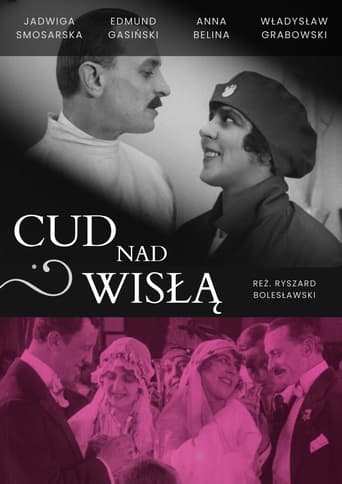
Made his mark during the silent film era in the early 1920s. His career, though brief, coincided with a pivotal period in Polish cinema following the country's regained independence after World War I. Bończa-Stępiński appeared in the significant historical film 'The Miracle at the Vistula' (1921), which depicted the crucial Battle of Warsaw that secured Poland's independence. His performance in this film represented the emerging national cinema of newly independent Poland, which sought to celebrate and document the nation's recent struggles and triumphs. While his filmography appears limited to this single known work, it was during a time when Polish cinema was establishing its identity and developing its own star system. Leonard Bończa-Stępiński's contribution to this early period of Polish film history, however brief, places him among the pioneers who helped lay the foundation for Poland's rich cinematic tradition. His career trajectory reflects the challenges faced by many early film actors whose work was often undocumented beyond their most prominent roles.
The Craft
On Screen
As a silent film actor, Bończa-Stępiński likely employed the exaggerated physical expressions and gestures characteristic of the era, using body language and facial expressions to convey emotion and narrative in the absence of dialogue. His style would have been influenced by theatrical traditions common in early Polish cinema, where many actors transitioned from stage to screen.
Milestones
- Appeared in 'The Miracle at the Vistula' (1921), one of the earliest Polish historical films
- Participated in Poland's emerging national cinema during the post-WWI period
- Contributed to the documentation of Polish national identity through film
Best Known For
Iconic Roles
Must-See Films
Accolades
Special Recognition
- Recognized as an early contributor to Polish cinema history
Working Relationships
Studios
Why They Matter
Impact on Culture
Leonard Bończa-Stępiński's contribution to Polish cinema, though through a single known film, represents the important role of actors in establishing national cinema during the formative years of the medium. His participation in 'The Miracle at the Vistula' helped create a visual record of one of Poland's most significant military victories, contributing to the cultural memory and national identity formation in the newly independent Poland. Early actors like Bończa-Stępiński were instrumental in developing the language of Polish cinema, adapting theatrical techniques to the new medium and helping create a distinctly Polish film aesthetic that would influence future generations of filmmakers.
Lasting Legacy
While Leonard Bończa-Stępiński may not be widely remembered today, his legacy endures as part of the foundation of Polish cinema history. His work in the early 1920s represents the efforts of actors who helped establish film as a cultural and artistic medium in Poland. The preservation of 'The Miracle at the Vistula' ensures that his contribution to Polish cultural heritage remains accessible to film historians and enthusiasts studying the development of national cinemas in Europe. His career serves as a reminder of the many early film artists whose work, though sometimes limited in scope, played crucial roles in building the cinematic traditions that would flourish in subsequent decades.
Who They Inspired
As an early Polish film actor, Bończa-Stępiński contributed to the development of acting techniques specifically suited to the silent film medium in Poland. His work would have influenced subsequent generations of Polish actors who built upon the foundations laid by pioneers of the 1920s. The historical nature of his most known film also helped establish the tradition of Polish historical cinema that would become a significant genre in Polish film production throughout the 20th century.
Off Screen
Leonard Bończa-Stępiński lived through a transformative period in Polish history, from the partitions of Poland through World War I and into the newly independent Second Polish Republic. His life spanned from the late 19th century through the mid-20th century, witnessing Poland's independence, World War II, and the communist era. Details about his personal life remain largely undocumented, as was common for many early film actors whose contributions were not thoroughly recorded in historical archives.
Education
Educational background not documented in available historical records
Did You Know?
- 'The Miracle at the Vistula' was one of the first Polish films to depict the recent Polish-Soviet War
- The film was made just one year after the actual battle it portrayed
- 1921 was a crucial year for Polish cinema, with increased domestic production following independence
- Silent films in Poland often focused on historical and national themes to reinforce Polish identity
- Many early Polish actors, like Bończa-Stępiński, had backgrounds in theater
- The film's title refers to what Poles called the 'Miracle on the Vistula', a decisive 1920 battle
- Early Polish cinema faced significant challenges including limited funding and technical resources
- The preservation of Polish silent films is rare, making surviving works historically valuable
Frequently Asked Questions
Who was Leonard Bończa-Stępiński?
Screen credits include the 1921 historical film 'The Miracle at the Vistula.' He was active during the early 1920s, a formative period for Polish cinema following the nation's regained independence after World War I.
What films is Leonard Bończa-Stępiński best known for?
Titles linked here include The Miracle at the Vistula (1921).
When was Leonard Bończa-Stępiński born and when did he die?
Born 1890; died 1965.
What awards did Leonard Bończa-Stępiński win?
There are no documented awards or nominations for Leonard Bończa-Stępiński, which was common for actors in the very early days of Polish cinema when formal recognition systems were not yet established.
What was Leonard Bończa-Stępiński's acting style?
As a silent film actor of the early 1920s, Bończa-Stępiński likely employed the exaggerated physical expressions and theatrical gestures typical of the era. His style would have emphasized body language and facial expressions to convey emotion without dialogue, drawing from traditional Polish theatrical techniques.