
Rosa Valetti
Actor
Born: March 25, 1878 in Berlin, Germany Died: December 10, 1937 Active: 1900-1937 Birth Name: Rosa Vallentin
Films
1 film
About Rosa Valetti
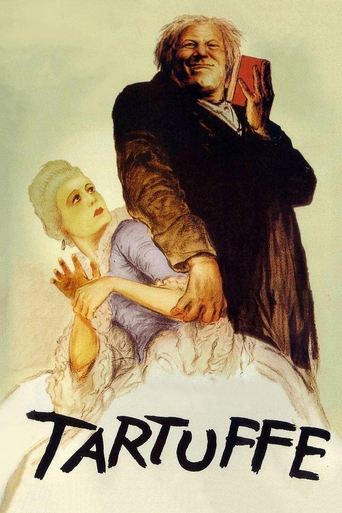
Rosa Valetti, born Rosa Vallentin, was a prominent German actress and cabaret performer who became stage artists of Berlin's vibrant Weimar Republic era. Beginning her career in theater around 1900, she quickly gained recognition for her sharp wit, distinctive voice, and commanding stage presence, which made her a fixture in Berlin's thriving cabaret scene. Valetti transitioned successfully into silent cinema during the 1920s, appearing in several notable German films including F.W. Murnau's classic adaptation of 'Tartuffe' (1925). As a Jewish artist, she was forced to flee Germany in 1933 following the Nazi rise to power, eventually settling in Sweden where she continued performing until her death. Throughout her career, Valetti was known for her ability to blend comedy with social commentary, using her platform to critique contemporary society and politics. Her performances were characterized by their emotional depth and technical precision, making her a respected figure among both audiences and fellow artists. Valetti's exile and death in Stockholm in 1937 marked the tragic end of a remarkable artistic career that had significantly shaped German cultural life during one of its most dynamic periods.
The Craft
On Screen
Valetti was known for her distinctive acting style that combined sharp comedic timing with profound emotional depth. Her performances were characterized by a commanding stage presence, precise diction, and an ability to convey complex emotions through subtle facial expressions and body language. As a cabaret artist, she developed a unique blend of satire and pathos, using humor to critique social and political issues while maintaining a connection with her audience. Her film work demonstrated her versatility, adapting her theatrical techniques to the demands of silent cinema where visual expression was paramount.
Milestones
- Leading performer in Berlin's cabaret scene during the Weimar Republic
- Starred in F.W. Murnau's 'Tartuffe' (1925)
- Successful transition from theater to silent film
- Forced exile from Nazi Germany in 1933 due to Jewish heritage
- Continued performing in exile in Sweden until her death
Best Known For
Iconic Roles
Must-See Films
Accolades
Special Recognition
- Recognized as one of Berlin's leading cabaret artists during the Weimar Republic
- Posthumously celebrated in German theater history as a victim of Nazi cultural persecution
Working Relationships
Worked Often With
Studios
Why They Matter
Impact on Culture
Rosa Valetti played a significant role in shaping Berlin's cultural landscape during the Weimar Republic, particularly through her contributions to cabaret and theater. As one of the leading female performers in Berlin's cabaret scene, she helped establish cabaret as a legitimate art form capable of social and political commentary. Her performances often challenged conventional norms and provided a voice for progressive ideas during a period of intense social change. Valetti's work exemplified the artistic freedom and experimentation that characterized Weimar culture, making her an important figure in understanding this pivotal period of German history. Her forced exile and subsequent death represented the tragic loss of Jewish artistic talent under Nazi persecution, highlighting the devastating impact of fascism on European culture.
Lasting Legacy
Rosa Valetti's legacy endures as proof of the vibrant cultural life of Weimar Berlin and the resilience of artists in the face of persecution. She is remembered as a figure in German cabaret who helped transform it from mere entertainment into a sophisticated medium for social critique and artistic expression. Her film work, particularly her collaboration with F.W. Murnau, represents an important contribution to German Expressionist cinema. Valetti's story has become symbolic of the many Jewish artists whose careers were cut short by the Nazi regime, serving as a reminder of the cultural destruction wrought by fascism. Contemporary scholars and theater historians continue to study her performances as examples of how art can challenge authority and give voice to marginalized perspectives.
Who They Inspired
Valetti influenced subsequent generations of performers through her innovative approach to cabaret and her ability to blend comedy with serious social commentary. Her techniques for engaging audiences and addressing controversial topics through entertainment provided a model for later political cabaret and satirical performance. Many German cabaret artists of the 1960s and 1970s cited Weimar performers like Valetti as inspirations for their own work. Her success in transitioning between theater, cabaret, and film demonstrated the versatility required of performers in the early 20th century, influencing how artists approached multi-platform careers. Valetti's commitment to using art as a means of social engagement continues to inspire performers who seek to combine entertainment with political consciousness.
Off Screen
Rosa Valetti was born into a Jewish family in Berlin and developed her artistic talents in the city's vibrant cultural scene. She married the writer Ludwig Roth in 1918, though the marriage ended in divorce in 1924. Valetti had one daughter, Lina Carstens, who also became a successful actress. Her personal life was deeply intertwined with her artistic career, and she was known for hosting salons that brought together Berlin's intellectual and artistic elite. The rise of Nazism forced her to flee Germany in 1933, leaving behind her established career and cultural home. She spent her final years in exile in Sweden, where she continued performing but struggled with the displacement and loss of her artistic community.
Education
Trained in theater and acting in Berlin during the late 1890s, though specific educational institutions are not well documented
Family
- Ludwig Roth (1918-1924)
Did You Know?
- Rosa Valetti was the sister of actor Hermann Vallentin, making them one of several sibling acting pairs in early German cinema
- She was a regular performer at the famous Schall und Rauch cabaret, one of Berlin's most prominent venues
- Valetti spoke multiple languages, which helped her adapt to life in exile in Sweden
- Her daughter Lina Carstens continued the family acting tradition and had a successful career in German theater and film
- Despite being forced to flee Germany, Valetti maintained her artistic integrity and continued performing until shortly before her death
- She was part of the vibrant Jewish artistic community that made Berlin a cultural capital in the 1920s
- Valetti's performances often featured sharp political satire that criticized both conservative and extremist politics
- She worked with some of the most important directors of the German silent film era
- Her cabaret routines were known for their sophisticated wordplay and social observation
- Valetti was among the many German artists whose works were later condemned as 'degenerate art' by the Nazi regime
In Their Own Words
In the cabaret, we don't just entertain - we hold up a mirror to society and dare to laugh at what we see.
Art must have courage, especially in times when courage is most dangerous.
The stage is not an escape from reality, but a way to understand it more deeply.
Frequently Asked Questions
Who was Rosa Valetti?
German actress and cabaret performer who was prominent during the Weimar Republic era. She was known for her work in Berlin's thriving cabaret scene and her appearances in German silent films, including F.W. Murnau's 'Tartuffe' (1925). As a Jewish artist, she was forced to flee Germany in 1933 and died in exile in Sweden in 1937.
What films is Rosa Valetti best known for?
Titles linked here include Tartuffe (1925), Die Verrufenen (1925).
When was Rosa Valetti born and when did she die?
Born March 25, 1878; died December 10, 1937.
What awards did Rosa Valetti win?
While there are no formal awards recorded for Rosa Valetti, she was widely recognized as one of Berlin's leading cabaret artists during the Weimar Republic. Her contributions to German theater and film have been posthumously celebrated in German cultural history, particularly as an example of artistic persecution under the Nazi regime.
What was Rosa Valetti's acting style?
Valetti's acting style combined sharp comedic timing with profound emotional depth, characterized by a commanding stage presence and precise diction. As a cabaret artist, she developed a unique blend of satire and pathos, using humor to critique social and political issues. Her film work demonstrated versatility in adapting theatrical techniques to silent cinema's visual demands.
How did Rosa Valetti influence German culture?
Valetti significantly influenced Berlin's cultural landscape during the Weimar Republic through her work in cabaret, helping establish it as a legitimate art form for social commentary. She represented the artistic freedom of the era and became a symbol of the cultural loss caused by Nazi persecution. Her legacy continues to inspire performers who combine entertainment with political engagement.