Robert Reinert
Director
Born: April 22, 1872 in Vienna, Austria-Hungary Died: July 30, 1928 Active: 1919-1925
Films
2 films
About Robert Reinert
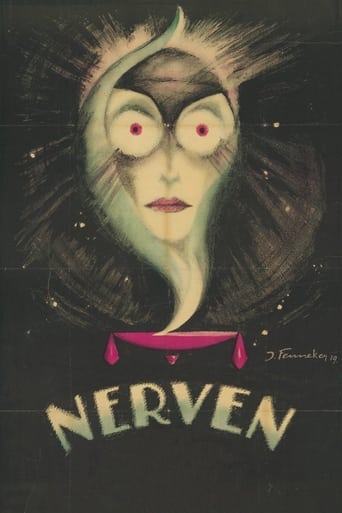
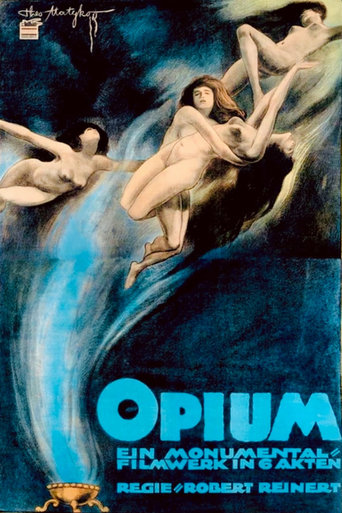
German film director during the silent era, best known for his psychologically intense and expressionist works in 1919. Emerging from the theatrical world, Reinert transitioned to filmmaking during a transformative period in German cinema, bringing with him a deep understanding of dramatic structure and psychological complexity. His two major films, 'Nerves' and 'Opium', both released in 1919, showcased his fascination with the human psyche, addiction, and the psychological trauma of post-World War I society. Reinert's directorial approach was remarkably ahead of its time, employing innovative camera techniques, atmospheric lighting, and subjective visual storytelling that would influence later German expressionist masters. Despite his brief but impactful career, Reinert's films demonstrated a sophisticated understanding of cinema as a medium for exploring the darker corners of human consciousness. His work, though limited in quantity, represents an important bridge between early German cinema and the full flowering of expressionism that would follow. Reinert's contributions to film history, though often overlooked, reveal a director who pushed the boundaries of what silent cinema could achieve in terms of psychological depth and visual innovation.
The Craft
Behind the Camera
Robert Reinert's directing style was characterized by intense psychological focus, expressionist visual techniques, and a willingness to explore controversial themes. He employed innovative camera angles, dramatic lighting contrasts, and subjective visual perspectives to externalize his characters' inner psychological states. His films often featured dreamlike sequences, distorted reality, and a preoccupation with the darker aspects of human consciousness. Reinert was particularly skilled at creating atmosphere through visual means, using shadows, unusual compositions, and symbolic imagery to enhance the psychological impact of his narratives. His approach to storytelling was non-linear and experimental, often blurring the boundaries between reality and hallucination to reflect his characters' mental states.
Milestones
- Directed the groundbreaking psychological drama 'Nerves' (1919)
- Created the controversial addiction film 'Opium' (1919)
- Pioneered psychological thriller genre in German cinema
- Influenced German Expressionist movement with innovative visual techniques
- Explored taboo subjects like drug addiction and mental illness in early cinema
Best Known For
Must-See Films
Accolades
Special Recognition
- Recognized as a pioneer of German Expressionist cinema
- Cited as an influence on later psychological thriller directors
Working Relationships
Worked Often With
Studios
Why They Matter
Impact on Culture
Robert Reinert's cultural impact lies primarily in his exploration of psychological themes in cinema during the formative years of the medium. His films 'Nerves' and 'Opium' were among the first to seriously address issues of mental illness, addiction, and post-war trauma, subjects that would become central to psychological cinema in the decades that followed. Reinert's work contributed to the development of German Expressionism, a movement that would profoundly influence international cinema, particularly film noir and horror genres. His willingness to tackle taboo subjects and his innovative visual techniques helped expand the vocabulary of cinematic storytelling, demonstrating that film could explore the inner lives of characters with the same depth as literature or theater. Reinert's films also reflected the cultural anxiety and psychological turmoil of post-World War I Germany, making them important historical documents of their time.
Lasting Legacy
Robert Reinert's legacy, though based on a small body of work, continues to be recognized by film historians and scholars as an important contribution to early German cinema. His films are studied as examples of the psychological thriller genre's origins and as precursors to the German Expressionist movement that would follow. Reinert is remembered for his artistic courage in exploring controversial subjects and his technical innovations in visual storytelling. While his name may not be as familiar as other German directors of his era, his influence can be traced through the work of later filmmakers who adopted his psychological approach to cinema. Film restoration projects and retrospective screenings have helped introduce modern audiences to Reinert's groundbreaking work, ensuring his place in cinema history. His films serve as important examples of how cinema could be used to explore complex psychological states, paving the way for future generations of filmmakers interested in the darker aspects of human nature.
Who They Inspired
Robert Reinert's influence on cinema extends beyond his brief career, particularly in the development of the psychological thriller and horror genres. His innovative use of visual techniques to externalize psychological states influenced German Expressionist directors like F.W. Murnau and Fritz Lang, who would expand on his methods in their own celebrated works. The psychological depth and visual style of Reinert's films can be seen as precursors to later film noir and psychological horror films. His exploration of addiction and mental illness in 'Opium' and 'Nerves' opened doors for filmmakers to tackle controversial psychological subjects, influencing everything from Hollywood's film noir to European art cinema. Reinert's approach to blurring reality and hallucination anticipated techniques that would become common in surrealist and psychological cinema throughout the 20th century. His work demonstrated that silent cinema could achieve remarkable psychological complexity, influencing generations of filmmakers who followed in exploring the inner lives of their characters through visual means.
Off Screen
Robert Reinert was born in Vienna in 1872 and later became a prominent figure in the German film industry. His personal life was marked by his intense dedication to exploring psychological themes in his work, which may have reflected his own fascination with the human mind. Reinert's career was cut short by his untimely death in 1928, but during his active years, he was known as a passionate and uncompromising artist who refused to commercialize his artistic vision. His Austrian origins and German career placed him at the crossroads of two major European film cultures, allowing him to draw from both traditions in his work.
Education
Unknown formal education, likely had theatrical training before entering film
Family
- Unknown
Did You Know?
- Both of Reinert's major films were released in the same year (1919), making 1919 a pivotal year in his career
- 'Nerves' was considered so psychologically intense that it was controversial upon release
- 'Opium' was one of the first films to explicitly deal with drug addiction as its central theme
- Reinert's films were nearly lost but have been partially restored by film archives
- He was part of the early wave of Austrian directors who helped shape German cinema
- His work predated but anticipated many themes of German Expressionism
- Reinert's theatrical background influenced his approach to psychological drama in film
- His films were considered too avant-garde for mainstream audiences of their time
- Reinert's career was cut short by his early death at age 56
- His films are studied in film schools as examples of early psychological cinema
In Their Own Words
The camera must not merely record reality but must reveal the truth that lies beneath the surface of things
Cinema is the medium through which we can finally make visible the invisible landscapes of the human mind
Frequently Asked Questions
Who was Robert Reinert?
Austrian-German on YTB.my. He was a pioneer in exploring psychological themes in cinema and contributed to the development of German Expressionist film.
What films is Robert Reinert best known for?
When was Robert Reinert born and when did he die?
Born April 22, 1872; died July 30, 1928.
What awards did Robert Reinert win?
Robert Reinert did not receive major formal awards during his lifetime, as his work was too avant-garde for contemporary recognition. However, he is now recognized by film historians as an important pioneer of psychological cinema and German Expressionism.
What was Robert Reinert's directing style?
Reinert's directing style was characterized by intense psychological focus, expressionist visual techniques, innovative camera angles, dramatic lighting, and a willingness to explore controversial themes like addiction and mental illness. He used visual methods to externalize his characters' inner psychological states.
How did Robert Reinert influence cinema?
Reinert influenced cinema by psychological themes in film, contributing to German Expressionism, and demonstrating that cinema could explore complex psychological states. His work influenced later directors in the psychological thriller and horror genres.
Why are Robert Reinert's films considered important?
Reinert's films are considered important for their early exploration of psychological themes, their contribution to German Expressionism, and their innovative visual techniques. They represent some of the first serious attempts to use cinema to explore mental illness and addiction.